Most of us don’t give much thought to water until something seems different. The kettle develops a chalky coating, a glass of water has an unfamiliar taste, or the shower leaves marks that are surprisingly difficult to remove. These small annoyances can be easy to dismiss, especially when the water looks clear. Still, changes in taste, smell, or appearance are worth paying attention to.
Water quality depends on several things, including its source, local conditions, treatment processes, and the plumbing inside a property. The good news is that you don’t have to guess your way through every concern. Understanding the possible causes, arranging suitable testing, and choosing treatment based on the results can make the process much more manageable.
Start With the Signs You Notice at Home
Household clues can help you decide what to investigate first. White deposits around faucets and showerheads may point to hard water, which contains elevated levels of calcium and magnesium. Orange or reddish stains can sometimes be associated with iron. An unusual taste or odour may have several explanations, from the disinfectant used in a public water supply to conditions inside household plumbing.
Cloudiness deserves a closer look, too. Sometimes it comes from tiny air bubbles that disappear after the water sits in a glass. In other cases, suspended particles or plumbing issues may be involved. If the water suddenly changes colour, develops a persistent unusual smell, or looks different after nearby plumbing work, contact your water supplier or a qualified professional as appropriate.
It’s important not to treat appearance as a safety test. Water that looks perfectly clear can still contain substances that aren’t visible, while an unpleasant taste doesn’t automatically mean the supply is dangerous. Testing provides a much more dependable starting point.
Why Some Contaminants Need Specific Testing
Not all water-quality concerns can be identified with the same test. A basic hardness test can help explain mineral buildup, but it won’t tell you whether water contains bacteria, lead, nitrates, or other contaminants. Choosing the right test depends on the water source and the questions you need answered.
For households with PFAS concerns, testing may be appropriate because these substances cannot be reliably detected by looking at or tasting water. PFAS refers to a large group of human-made chemicals that have been used in various industrial and consumer applications. Their presence and concentration can vary by location, so it’s sensible to consult local water-quality information and use a laboratory test designed to measure the relevant compounds when needed.
Municipal water customers can begin by reviewing the latest report from their water provider. Private well owners should follow local recommendations for routine testing because groundwater quality can change over time. Depending on the area’s conditions, tests may cover bacteria, nitrates, minerals, and other substances that could be relevant.
If a result raises questions, ask the laboratory or a qualified water professional to explain what was measured and how the findings compare with applicable guidance. A clear report is more useful than a vague promise that a particular product will solve every possible problem.
Understanding Sediment and What It Can Mean
Water sometimes carries small particles that affect its appearance or collect inside plumbing fixtures. Sediment can include sand, rust particles, silt, or other suspended material, depending on the source and circumstances. It may become noticeable after water-main repairs, changes in a well, or work on household pipes.
A sediment filter can capture particles within the range it is designed to handle. These filters are often installed before other treatment equipment to help protect downstream components from accumulating debris. However, they are not designed to remove every dissolved substance, and the appropriate filter rating depends on the particles involved and the system’s intended use.
If particles appear suddenly, don’t assume a filter is the only answer. Contact your water provider if the issue may involve the public supply, or arrange a plumbing inspection if the concern appears limited to your property. For well water, testing and inspection may be necessary to determine whether the well or surrounding conditions have changed.
Once the cause is understood, a suitable filtration system can help manage recurring particle-related problems. Correct sizing and regular maintenance matter, since a filter that becomes clogged can restrict flow and may no longer perform as intended.
When Chlorine Affects Taste and Smell
Municipal water suppliers commonly use disinfectants to control harmful microorganisms during treatment and distribution. As a result, some households notice a swimming-pool-like taste or smell in their tap water. Chlorine can affect how water tastes, even when the supply is being managed according to applicable treatment requirements.
If the taste is unpleasant, first check your water provider’s latest information and follow any local advisories. A properly selected activated carbon filter may reduce chlorine taste and odour, depending on the product’s design and performance. Some refrigerator filters and under-sink systems use carbon media for this purpose.
Not all filters work equally well, though. Look for independent certification or product documentation showing the substances the system is designed to reduce. Pay attention to replacement schedules, because carbon media can become less effective as it reaches the end of its service life.
A carbon filter should not be assumed to address every possible contaminant. If testing identifies another concern, you may need a different technology or a combination of treatment methods. The best choice depends on the actual water conditions, not simply the strongest marketing claim.
Choosing a Treatment System That Fits Your Home
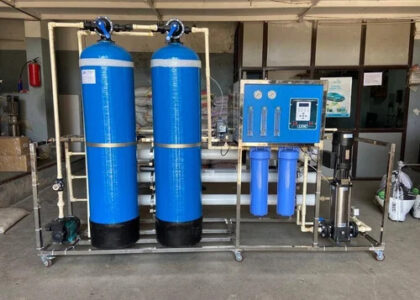
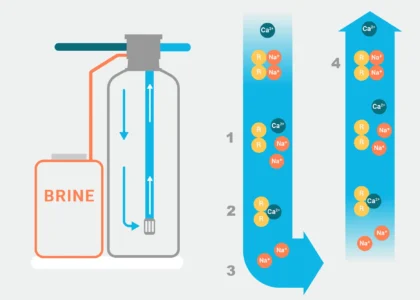
Once you understand the problem, you can compare treatment options more confidently. Sediment filters target suspended particles, activated carbon can reduce certain tastes and odours, water softeners address hardness minerals, and reverse osmosis systems can reduce many dissolved substances when appropriately selected. Each technology has a particular purpose, and none should be treated as a universal solution.
Think about where treatment is needed. A point-of-use system may be sufficient if your main concern is drinking and cooking water at the kitchen sink. A whole-house system may make more sense when a verified concern affects several fixtures or appliances.
Household size and water demand matter as well. A system needs to provide enough flow for normal use without creating an inconvenient drop in pressure. Installation space, drainage requirements, replacement-part availability, and maintenance costs should all be considered before you commit.
Ask providers to explain why a particular system is recommended and what evidence supports its expected performance. A trustworthy recommendation should clearly state what the equipment can reduce, what it cannot address, and how often it needs servicing.
Keep Water Quality on Your Household Checklist
Water treatment doesn’t end when equipment is installed. Filters need replacement, softeners may require salt, and other systems may need periodic cleaning or professional checks. Keeping records of service dates and water-test results makes it easier to notice changes and plan maintenance.
Retesting may also be appropriate after changes to a private well, plumbing repairs, flooding, or a persistent shift in taste, colour, or odour. If you suspect a health-related contamination issue, use suitable testing and follow advice from your water supplier or local health authority rather than relying on a treatment device alone.
Ultimately, better water begins with understanding what is actually in your supply. Pay attention to changes, ask questions, and choose equipment based on reliable results. You may discover that a simple filter addresses your concern, or that a more specific treatment approach is needed. Either way, informed decisions are more useful than guesswork—and they can help make everyday life at home a little easier.