Water is one of those everyday essentials we rarely think about until something changes. Maybe the shower door keeps collecting white marks, the kettle develops a layer of scale, or a glass of tap water has a taste that makes you reach for a bottle instead. These little frustrations can become part of the routine, but they may also be signs that your home’s water deserves a closer look.
The tricky part is knowing what to do next. Buying a filter without understanding the problem can waste money, while ignoring a persistent change may leave an issue unresolved. A better approach is to look at the symptoms, understand the possible causes, and choose a treatment method that fits your household rather than chasing a one-size-fits-all solution.
Start With What You’re Actually Experiencing
Before comparing equipment, take a moment to notice what’s happening around the house. Is the water leaving orange stains in the bathroom? Does it smell strongly of chlorine? Are there particles in the glass, or is the main complaint simply that soap doesn’t lather well?
Each symptom can point toward a different issue. Orange or reddish stains may be related to iron. White deposits often come from hardness minerals such as calcium and magnesium. A chlorine-like smell can be associated with disinfectants used in public water systems, while cloudy water may have several causes, including trapped air or suspended particles.
These clues are useful, but they aren’t a diagnosis. A smell doesn’t identify every substance that may be present, and water that looks clear isn’t automatically free of contaminants. Testing can help distinguish between a cosmetic nuisance and a concern that requires more attention.
If your water source is a private well, regular testing is particularly important because conditions can change with rainfall, groundwater movement, nearby land use, or problems with the well itself. For municipal water, check your supplier’s available water-quality report and consider whether your home’s plumbing could be contributing to the issue.
Why the Right Treatment Depends on the Problem
Water treatment works best when the equipment is selected for a clearly identified need. A sediment filter, for example, is designed to capture suspended particles. It won’t necessarily reduce dissolved minerals or address every chemical contaminant. Activated carbon can improve taste and odour by reducing certain substances, but it isn’t a universal answer either.
The goal is to solve specific water issues rather than install equipment based on broad promises. A household dealing with hard water may benefit from a softener, while a home with a particular drinking-water concern may need a certified point-of-use filter. If iron is causing recurring stains, the right approach depends on whether the iron is dissolved or already present as particles.
Sometimes, a plumbing repair is just as important as treatment. A damaged pipe, neglected water heater, or contaminated fixture can create problems that no filter will properly fix on its own. If the issue appears suddenly or affects only one tap, investigate the local plumbing before assuming the entire supply needs treatment.
Taking the time to identify the cause may feel like an extra step, but it often prevents a much more expensive mistake later.
Understanding Your Water Test Results
A water test can reveal characteristics that aren’t obvious from appearance or taste. Depending on the test, results may include hardness, pH, iron, manganese, chlorine, or specific contaminants of concern. The appropriate testing method depends on the water source and the question you’re trying to answer.
When reviewing a report, look beyond a simple pass-or-fail label. Ask which substances were measured, what units were used, and whether the results should be compared with a recognised drinking-water standard. If a concern requires laboratory analysis, an informal on-site demonstration may not provide enough information.
Understanding water quality also means recognising the difference between appearance and safety. Mineral deposits can be annoying without necessarily indicating a health risk, while certain unwanted substances may not change the water’s taste, smell, or colour. Testing should therefore be guided by the actual concern, not just by what you can see.
If a result is unclear, ask the testing provider to explain it in plain language. A good explanation should identify what the result means, what it doesn’t establish, and whether additional testing is recommended. Be cautious of anyone who uses vague results to pressure you into buying equipment immediately.
Comparing Filtration and Softening Options
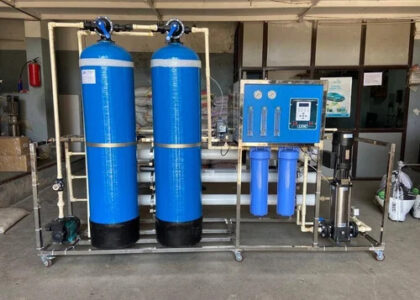
Once the issue is understood, you can compare systems with more confidence. Whole-home filtration treats water as it enters the house and may be appropriate when a particular problem affects several taps or appliances. Point-of-use filters, such as under-sink units, focus on water used for drinking or cooking. The best arrangement depends on the treatment objective and the home’s plumbing.
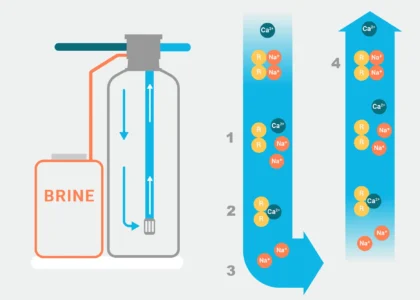
Water softeners address hardness minerals, which can contribute to scale and make cleaning more difficult. Reverse osmosis systems can reduce many dissolved substances from drinking water, depending on their design and performance. Specialised iron or sediment systems may be more appropriate when those are the main concerns.
Check independent certifications and performance data before making a choice. Confirm that the system has been tested for the specific substances you want to reduce. A long list of features doesn’t necessarily mean a product is better suited to your water.
Maintenance matters, too. Filters need replacement, softeners may require salt or other supplies, and some equipment needs periodic cleaning or servicing. Ask how often maintenance is needed and whether replacement parts are easy to obtain. A system that’s effective but difficult to maintain can quickly become a frustrating investment.
Look at the Full Cost, Not Just the Initial Price
The price shown on a product page may not represent the total amount you’ll spend. Installation, plumbing modifications, replacement cartridges, servicing, and ongoing supplies can all affect the overall cost.
Before you get pricing, ask for a written estimate based on your home’s needs. Find out whether the quote includes installation, the initial set of filters, testing, and any follow-up work. If a system needs regular servicing, request details about those charges as well.
Compare quotes for systems that address the same issue. Otherwise, a cheaper option may appear attractive simply because it provides less treatment or excludes important services. You don’t necessarily need the most expensive system; you need one that performs the required job and can be maintained within your budget.
It’s also worth asking whether a simpler solution could work. A drinking-water filter may be enough for a taste concern, while a whole-home installation may be unnecessary if the problem is limited to one fixture.
Make a Decision You Can Live With
Good water treatment isn’t about purchasing the most complicated equipment or reacting to every stain and smell. It’s about understanding the water, choosing an appropriate solution, and keeping the system in good working order.
Start with the concern that matters most to your household. Review available reports, arrange suitable testing, and ask questions until the recommendations make sense. Then compare performance, maintenance, installation, and long-term costs before deciding.
When the process is handled thoughtfully, water treatment becomes less of a guessing game. You can focus on what your home actually needs, avoid unnecessary spending, and make a practical improvement that supports everyday comfort for years to come.