Blog

  • How Guest Posting Can Build a More Durable Digital Presence

    For many businesses, online visibility is shaped by far more than a well-designed website or a regular stream of social media updates. Search engines, prospective customers, and industry peers all look for signs that a brand is credible beyond its own channels. Relevant mentions on established publications can be one of those signals. When handled carefully, guest posting remains a practical way to share expertise, earn meaningful links, and introduce a business to audiences that may not otherwise encounter it.

    However, guest posting is not a shortcut to rankings. A single placement will rarely transform a site’s position in search results, and a large number of weak placements can create more problems than benefits. The value comes from choosing suitable publishers, contributing genuinely useful material, and treating every article as part of a wider content and reputation strategy.

    1. Guest Posts Extend Reach Beyond Owned Channels

    A company blog is important because it gives a business control over its message, but it is still limited by its existing audience. A guest article enables the business to contribute to a publication that has already built reader trust and a regular readership. This can be particularly helpful for newer companies, specialist service providers, and businesses entering a competitive market.

    The goal should be audience relevance rather than sheer scale. For example, a financial software provider will usually gain more from appearing on a respected small-business, accounting, or technology site than on a broad publication with no connection to its solution. Readers who arrive from a relevant article are more likely to explore the business, remember its name, or return later when they need its services.

    Guest content can also make unfamiliar businesses feel less isolated. Appearing alongside useful editorial content shows that a brand can add to a professional conversation rather than simply promote itself. Over time, this can support recognition in a particular niche.

    2. Quality Backlinks Support Search Visibility

    Links remain one of the many factors search engines use to understand the web. When a relevant and reputable website links to a useful resource, product page, research piece, or service page, that link can help search engines discover and contextualize the destination. It may also send direct referral traffic from readers who want additional information.

    Not every backlink carries the same value. A link from an unrelated, neglected, or heavily promotional website may provide little practical benefit. In some cases, an unnatural pattern of low-quality links may raise concerns. Businesses considering high-DA guest posts should therefore look beyond a single authority metric. Domain authority can be a useful screening indicator, but it does not guarantee that a site has genuine readers, editorial standards, topical relevance, or a clean history.

    A stronger evaluation includes the publication’s subject matter, the quality of recent articles, organic visibility, audience engagement, link practices, and whether the site publishes content that real readers would choose to read. A relevant link from a trusted industry publication can be considerably more valuable than a link from a high-metric site with no meaningful connection to the business.

    3. Expertise Is the Foundation of a Successful Contribution

    The most effective guest articles solve a clear problem for the host site’s audience. They do not simply rewrite familiar advice or insert a brand mention into a generic list. Instead, they explain a process, interpret a trend, share original observations, or help readers avoid a common mistake.

    Before proposing or preparing an article, businesses should consider the questions their customers repeatedly ask. Sales calls, support requests, reviews, and industry forums can all reveal useful topics. A logistics company might explain how to assess delivery risk during seasonal peaks. A cybersecurity consultant could outline the early warning signs of a weak access-control policy. These are focused topics that give the reader a reason to engage.

    • Use a specific headline that sets clear expectations.
    • Support advice with examples, data, or firsthand experience where possible.
    • Organize the article so readers can scan and apply the information.
    • Link only where the destination provides a logical next step.
    • Keep the promotional language restrained and factual.

    This approach benefits both parties. The publisher receives material that fits its editorial standards, while the contributor earns a more credible association with the topic.

    4. Relevance Matters More Than Volume

    It is tempting to measure a link-building campaign by the number of posts published each month. Yet volume without relevance can dilute the strategy. A business offering human resources software does not need placements across every available business, lifestyle, or news blog. It needs a thoughtful presence in places where HR managers, operations leaders, and growing employers seek guidance.

    Relevance also applies to the destination page. Sending every guest-post link to a homepage can miss an opportunity to help readers. If an article discusses employee onboarding, a resource on onboarding workflows may be a better destination than the company’s general front page. The linked page should deepen the subject raised in the article and be genuinely useful to someone who clicks.

    Businesses should also vary their content formats and themes. A campaign built entirely around identical commercial phrases can look forced. Educational articles, case-based lessons, checklists, explainers, and trend analyses create a more natural and useful content footprint.

    5. Editorial Standards Protect Long-Term Results

    A sustainable guest-posting strategy requires patience. Good publishers often have editorial rules, topic restrictions, and expectations around originality. These are positive signs, not obstacles. A site that reviews submissions carefully is more likely to protect its own reputation and provide a worthwhile environment for contributors.

    Before committing to a placement, review several recent posts. Are the articles coherent and informative? Are authors identified? Does the publication cover a consistent set of subjects? Are external links used sparingly and naturally? A website filled with thin content and excessive outbound links may be a poor fit, regardless of its reported metrics.

    It is equally important to avoid duplicate content. Each contribution should be written for its intended audience, not copied from an existing company post and lightly altered. Originality helps publishers maintain quality and gives the contributing business an opportunity to approach a familiar subject from a new angle.

    6. Measure Outcomes That Matter

    Guest posting should be evaluated as part of a broader marketing effort. Rankings and link counts matter, but they are not the only outcomes worth tracking. Businesses can monitor referral visits, time on page, branded search growth, newsletter sign-ups, relevant enquiries, and the performance of the linked destination page.

    Some benefits will take time to appear. A reader may discover a business through an article, leave without converting, and return weeks later through a branded search. That is why consistent tracking and a realistic time horizon are essential. The strongest campaigns build an archive of credible contributions rather than chasing immediate gains from isolated placements.

    Conclusion

    Guest posting works best when it is treated as publishing, not merely link acquisition. By selecting relevant websites, offering useful expertise, maintaining editorial standards, and measuring quality alongside quantity, businesses can create a stronger digital presence. The resulting links may support search performance, but the deeper value lies in becoming a recognizable and trusted voice where the right audiences are already paying attention.

  • A Homeowner’s Guide to Choosing, Maintaining, and Replacing a Water Heater

    A Homeowner’s Guide to Choosing, Maintaining, and Replacing a Water Heater

    Hot water is one of those everyday comforts we rarely think about until it disappears. A cold shower on a winter morning, a dishwasher that struggles to clean properly, or a washing machine running without enough warm water can make even simple routines feel inconvenient. Behind that comfort is a water heater working quietly, often for years at a time.

    Like any major home appliance, a water heater needs the right installation, timely maintenance, and occasional repairs. Eventually, every unit reaches a point where replacement makes more sense than continued servicing. Understanding the difference between these needs can help homeowners make practical decisions, avoid unnecessary expenses, and keep their household running smoothly.

    Understanding How Your Water Heater Works

    Most residential water heaters fall into two main categories: traditional tank-style systems and tankless models. A traditional unit stores a specific amount of hot water in a tank and keeps it heated until it is needed. Tankless systems heat water only when a tap or appliance calls for it.

    Tank-style heaters are widely used because they are familiar, relatively straightforward to install, and available in different sizes. Their main limitation is that the stored supply can run out during periods of heavy use. Tankless systems offer a continuous supply, but they must be correctly sized to meet the household’s flow rate and may require more complex installation work.

    Other factors also influence the right choice. Homeowners should consider the number of people in the property, the number of bathrooms, fuel type, available space, energy costs, and local water conditions. A system that works perfectly for a small apartment may not be suitable for a large family home.

    Why Professional Installation Matters

    A water heater is not an appliance that should be installed casually. It involves water connections, energy sources, pressure controls, drainage, and, in some cases, gas combustion or high-voltage electricity. Mistakes during installation can affect performance and create serious safety concerns.

    Professional water heater installation ensures that the unit is connected according to manufacturer instructions and local building and safety requirements. A qualified technician can verify pipe sizing, shut-off valves, temperature settings, pressure relief components, venting, and other essential details.

    Gas-powered heaters require particular care because improper venting or gas connections can expose occupants to dangerous leaks or carbon monoxide. Electric models also need the correct circuit capacity and wiring. Even a small installation error can lead to inefficient heating, water damage, or premature equipment failure.

    A professional installer can also help determine whether the selected unit is appropriately sized. An undersized water heater may struggle to meet demand, while an oversized model may cost more to purchase and operate than necessary. Proper sizing is one of the simplest ways to improve long-term satisfaction with a new system.

    Recognizing When Repairs Are Needed

    Water heaters often show warning signs before they stop working completely. Paying attention to these symptoms can make it easier to address a small problem before it becomes a major emergency.

    Common signs of trouble include:

    • Water that does not get hot enough
    • Hot water that runs out unusually quickly
    • Strange popping, banging, or rumbling sounds
    • Water leaking around the tank or connections
    • Rust-colored or unpleasant-smelling hot water
    • Fluctuating water temperatures
    • Higher-than-usual energy bills

    Professional water heater repair can resolve many issues, depending on the age and condition of the unit. A technician may replace a faulty thermostat, heating element, pressure valve, dip tube, or damaged connection. In some cases, flushing the tank can remove sediment that is reducing efficiency or creating unusual noises.

    However, repair is not always the best answer. If the tank itself is leaking, the internal corrosion is extensive, or several components are failing at once, continuing to invest in repairs may only delay the inevitable. A professional assessment can help homeowners understand whether the problem is minor or part of a larger decline.

    The Role of Regular Maintenance

    Regular maintenance can improve performance and extend the useful life of a water heater. Traditional tank systems may collect sediment at the bottom, especially in areas with hard water or mineral-rich supplies. This buildup forces the heater to work harder and can reduce the amount of usable hot water.

    A professional may recommend flushing the tank periodically to remove sediment. The pressure relief valve should also be checked, and visible connections should be inspected for signs of corrosion or leakage. Gas-powered units need attention to burners, venting, and combustion components, while electric heaters may require inspection of heating elements and electrical connections.

    Tankless water heaters have different maintenance needs. Mineral buildup can affect the heat exchanger, making descaling especially important in hard-water areas. Filters and inlet screens may also need cleaning to maintain proper water flow.

    Homeowners should avoid attempting complex maintenance without understanding the risks. Water heaters contain extremely hot water, pressurized components, gas connections, or high-voltage wiring. Professional service is often the safest choice, particularly when the system shows signs of damage.

    Knowing When Replacement Makes More Sense

    Even with proper care, water heaters do not last forever. Traditional tank units commonly have a useful life of roughly 8 to 12 years, although actual lifespan depends on water quality, maintenance, installation quality, and usage. Tankless systems may last longer, but they also require regular servicing to maintain performance.

    Homeowners should begin considering water heater replacement when the unit is old, inefficient, frequently breaking down, or showing signs of tank leakage. A leaking tank generally cannot be repaired permanently because the internal structure has already deteriorated.

    Replacement may also be worth considering when energy bills continue to rise or the household’s hot water needs have changed. For example, a growing family may need a larger tank or a properly sized tankless system. On the other hand, someone converting a utility room or downsizing may prefer a compact unit that saves space.

    When comparing replacement options, look beyond the purchase price. Consider installation costs, expected energy consumption, maintenance requirements, warranty coverage, and the availability of replacement parts. A cheaper unit may not be the most economical choice over its entire service life.

    Improving Efficiency and Reducing Waste

    There are several ways to make a water heater work more efficiently. Setting the temperature to a safe and reasonable level can reduce energy use while lowering the risk of scalding. Insulating accessible hot-water pipes may help reduce heat loss, especially when the water heater is located far from frequently used fixtures.

    Low-flow showerheads and efficient faucets can also reduce hot-water demand without making daily use uncomfortable. If a household regularly runs out of hot water, spreading showers, laundry, and dishwashing throughout the day may help, although persistent shortages could indicate an undersized or failing system.

    For homeowners interested in energy savings, high-efficiency heat pump water heaters may be worth exploring where suitable. These systems use electricity to move heat rather than generating heat directly, but they require appropriate space, climate considerations, and installation conditions.

    Making a Smart Water Heater Decision

    A water heater is a long-term household investment, not simply another appliance to replace when it fails. Choosing the right system requires attention to household demand, available energy sources, installation requirements, and future maintenance needs.

    Professional installation helps establish a safe and efficient foundation. Prompt repairs can prevent minor problems from becoming expensive failures, while regular maintenance supports better performance. When a unit becomes too old or unreliable, replacement may provide greater value than repeated repairs.

    The goal is simple: dependable hot water without unnecessary stress, waste, or surprise expenses. With thoughtful planning and qualified professional support, homeowners can enjoy a water heating system that serves their needs comfortably for years to come.

  • How Better Lighting Can Change the Feel of Your Home

    How Better Lighting Can Change the Feel of Your Home

    There’s something strangely powerful about good lighting. You can walk into the same room in the morning and again at night, yet it can feel like two completely different places. Bright daylight might make the room feel open and energetic, while a softer lamp in the evening can turn it into a cosy corner where you actually want to sit for a while.

    That’s why lighting deserves more attention than it usually gets. People often think about furniture, wall colours, flooring and décor when improving a home, but lighting quietly ties all of those things together. The right fixtures can highlight architectural details, make everyday tasks easier, and create an atmosphere that feels genuinely comfortable.

    Start by Looking at How You Use Each Room

    Before buying anything, spend a little time noticing how your rooms actually work. It sounds obvious, but it’s surprisingly easy to choose lighting based on appearance alone.

    A kitchen, for example, needs practical illumination around counters and cooking areas. A bedroom generally benefits from softer light, especially near the bed. In a home office, the desk needs enough focused light to make reading and computer work comfortable without creating annoying reflections on the screen.

    Living rooms are a little more flexible. You might want a combination of ceiling lights, table lamps and accent lighting so the space can change depending on the occasion. Movie night calls for something different from having friends over for dinner.

    This is where new lighting systems can make a noticeable difference. Modern fixtures offer far more flexibility than the basic single-bulb arrangements many homes grew up with. Dimmers, adjustable fixtures and smart controls allow homeowners to change brightness and mood without completely changing the room.

    Layered Lighting Feels More Natural

    One ceiling light trying to do everything isn’t always the best solution. It can leave corners dark while making the centre of the room unnecessarily bright.

    Layered lighting solves this by combining different types of illumination. Ambient lighting provides general brightness. Task lighting helps with specific activities, while accent lighting draws attention to artwork, shelving, plants or architectural features.

    Think about a kitchen with overhead lighting alone. The person preparing vegetables may stand between the light and the work surface, creating their own shadow. Add under-cabinet lights, though, and suddenly the counter becomes much easier to use.

    The same idea works elsewhere. A reading chair might need a floor lamp. A hallway could benefit from subtle wall lights. A bathroom mirror may need lighting positioned to reduce shadows on the face.

    It doesn’t have to become complicated. Often, two or three thoughtfully positioned sources are better than one extremely bright fixture.

    Choose Bulbs for the Mood, Not Just the Wattage

    Bulb selection has changed considerably over the years. Today, homeowners can choose from different colour temperatures, brightness levels and smart features.

    Warm white lighting tends to feel relaxed and inviting, making it popular for bedrooms, living rooms and dining areas. Cooler light can feel more energetic and may work well in offices, garages or utility areas.

    Brightness matters too, but more isn’t necessarily better. An overly bright bedroom can feel clinical, while insufficient kitchen lighting can make ordinary tasks frustrating.

    LED bulbs are especially useful because they are available in many shapes and brightness levels and generally consume less electricity than traditional incandescent bulbs. Choosing the right bulb, rather than simply choosing the brightest one, often creates a much better result.

    Don’t Forget About Energy Use

    Lighting can affect monthly household costs, particularly when fixtures are left running for long periods. Switching to efficient bulbs is one relatively simple way to reduce unnecessary consumption.

    But energy efficiency isn’t just about changing every bulb in the house at once. It also involves using lighting intelligently. Motion sensors can switch lights on when someone enters a space and off when the room is empty. Timers can help with outdoor lighting, while dimmers allow you to use only as much light as you actually need.

    Natural daylight should be part of the equation too. During the day, open curtains and blinds where possible instead of automatically switching on every light. It sounds like a tiny habit, but small habits add up.

    When renovating or building, it can also be worth considering how windows, skylights and interior surfaces interact with artificial lighting. Light-coloured walls, for instance, can reflect more light and help a room feel brighter without increasing fixture output.

    Safety Should Never Be an Afterthought

    Beautiful lighting isn’t worth much if the installation isn’t safe.

    Electrical work should be carried out properly, especially when it involves new wiring, ceiling fixtures, recessed lights, outdoor installations or changes to circuits. Faulty connections and overloaded circuits can create serious hazards.

    Good lighting can actually improve safety around the house, too. Well-lit stairways, entrances, pathways and garages are easier to navigate, particularly at night. Outdoor lights near doors can make it easier to find keys, identify visitors and move around without stumbling over something you can’t see.

    Bathrooms deserve particular care because water and electricity are a dangerous combination. Fixtures and electrical components need to be appropriate for their location, and installations should follow applicable electrical requirements.

    If you’re unsure whether an existing fixture or wiring is suitable, don’t guess. Ask a qualified electrician.

    Smart Lighting Is Useful When It Solves a Real Problem

    Smart lighting gets plenty of attention, but you don’t need to turn your house into a science-fiction movie.

    The useful part of smart lighting is convenience. Being able to switch off lights remotely can be handy when you’re already in bed. Scheduling lights can make it look as though someone is home while you’re travelling. Voice or app controls may also help people who have difficulty reaching traditional switches.

    Still, technology for technology’s sake can become expensive clutter. A smart bulb that doesn’t solve a real problem isn’t necessarily an upgrade.

    Start with one area. Try smart lighting in the bedroom, living room or entrance and see whether you actually enjoy using it. If it makes life easier, expand gradually.

    Outdoor Lighting Deserves Some Thought

    Outdoor lighting isn’t only decorative. It can make gardens, balconies, driveways and entrances much more usable after sunset.

    Pathway lights can guide visitors, while wall-mounted fixtures can illuminate doors and exterior steps. Motion-activated lights are particularly practical around garages and side entrances.

    Avoid going overboard, though. Excessively bright outdoor lighting can create glare and disturb neighbours. Good exterior lighting should illuminate the areas you need without turning the entire property into a floodlit stadium.

    Warm, subtle fixtures often look more attractive and create a calmer outdoor atmosphere.

    Think Long-Term When Planning a Lighting Upgrade

    A lighting project is easier when you think beyond today’s needs. Consider where furniture might move, where you may install artwork, whether you expect to add smart-home equipment, and which rooms might eventually have different uses.

    It’s also worth keeping maintenance in mind. Fixtures that are difficult to reach may look beautiful in a showroom but become annoying when cleaning or replacing components becomes necessary.

    Good lighting should work with your lifestyle, not make you work around it.

    The Right Light Changes More Than a Room

    A home doesn’t need expensive designer fixtures to feel thoughtfully lit. Sometimes the biggest improvement comes from moving a light, adding a dimmer, replacing an outdated bulb or illuminating a dark corner.

    The trick is to pay attention. Notice where shadows fall. Notice when you squint. Notice which lights you turn on first and which ones you rarely use.

    Those little observations can tell you a lot.

    Ultimately, good home lighting isn’t really about making everything brighter. It’s about making spaces more useful, comfortable and welcoming. When the lighting feels right, you may not even notice it—and oddly enough, that’s often how you know you’ve got it right.

  • Why Testing Your Water First Can Save You Time, Money, and Trouble

    Why Testing Your Water First Can Save You Time, Money, and Trouble

    Water treatment can look deceptively simple from the outside. You see a filter, a tank, some pipes, maybe a control panel, and it seems like the whole job should be straightforward.

    But the water itself is rarely that simple.

    Two houses on the same street can have noticeably different water-quality concerns. A restaurant and a private home may use the same municipal supply but have completely different treatment needs because their equipment and water consumption aren’t remotely alike.

    That’s why a sensible water-treatment plan starts before anyone recommends a piece of equipment. It starts with understanding the water.

    If you’ve ever bought something for your home or business because it “looked like the right solution,” only to discover later that it didn’t solve the actual problem, you already know the lesson. With water treatment, that mistake can be considerably more expensive.

    Why Water Testing Comes First

    Water can contain minerals, particles, chemicals, microorganisms, and other substances depending on its source and surrounding conditions.

    Some are harmless. Some affect taste or appearance. Others can cause scaling, staining, corrosion, or equipment problems. Certain contaminants may require specific treatment.

    This is why comprehensive water testing can be so valuable.

    Testing provides a baseline. Instead of guessing why your fixtures are developing deposits or why the water tastes unusual, you can identify characteristics such as hardness, pH, iron, manganese, chlorine, sediment, dissolved solids, and other relevant parameters.

    The exact tests needed depend on the water source and intended use. Municipal water may require a different testing approach than private well water.

    The point isn’t to test for every imaginable substance simply because you can. It’s to gather enough reliable information to make a sensible decision.

    Hard Water Is a Common Starting Point

    Hard water is one of the most familiar household water-quality issues.

    It generally contains elevated levels of calcium and magnesium. Those minerals can leave deposits on faucets and shower doors, reduce soap lathering, and contribute to scale inside water heaters and other equipment.

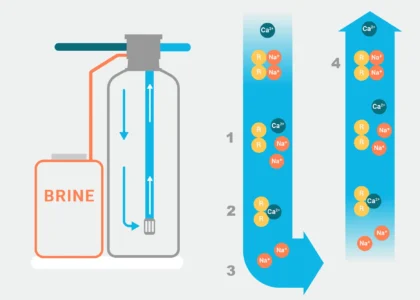
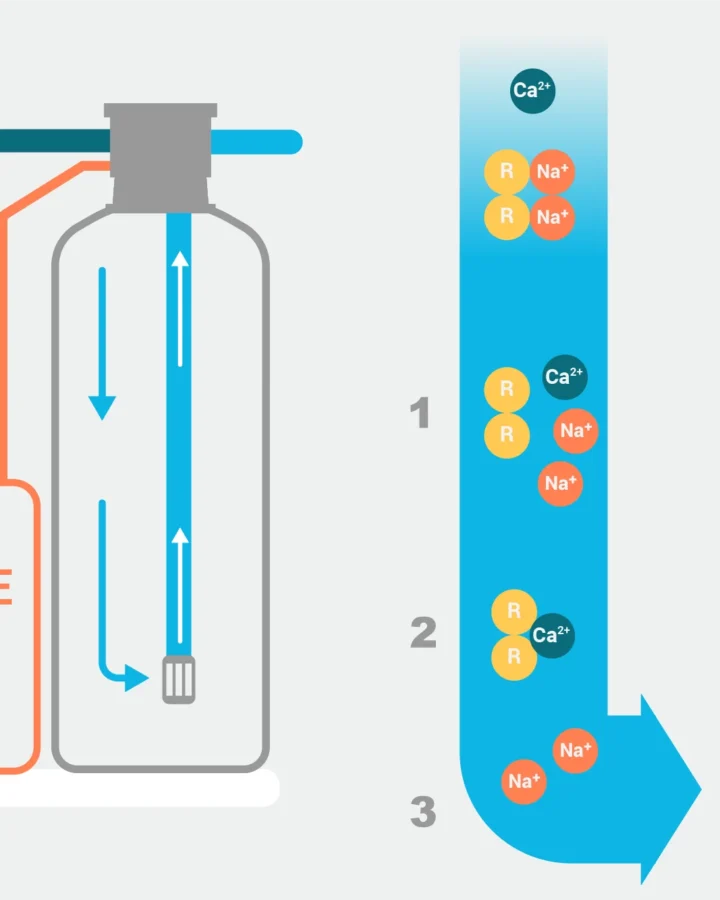
    For some homes, the solution may be a conventional water softener.

    But even then, testing matters.

    You want to know how hard the water actually is and how much water your household uses. A system that’s perfectly adequate for one family may be too small for another.

    Commercial properties have even more variables. Hotels, restaurants, laundries, and industrial facilities can have large swings in demand throughout the day.

    One System Doesn’t Solve Every Problem

    There’s a tendency to think of water treatment as one big category.

    It isn’t.

    Sediment filtration is designed to remove physical particles. Activated carbon can improve taste and reduce certain chemicals. Water softeners target hardness minerals. Reverse osmosis reduces many dissolved substances. Ultraviolet systems can be used for microbial treatment in appropriate applications.

    Each technology has a job.

    That’s why a treatment system should be selected based on the water test and the intended outcome rather than the number of stages advertised on the box.

    Sometimes a simple filter is all that’s needed.

    Other times, several treatment steps make sense.

    Designing Around Real-Life Water Use

    A household doesn’t use water at a constant rate.

    In the morning, several people may shower, flush toilets, make breakfast, and start laundry within a short period. In the evening, showers, dishwashers, and washing machines can create another spike.

    Commercial facilities can experience even more dramatic changes.

    This is where flow rate becomes important. A system must be able to provide treated water when demand is highest, not just when usage is low.

    A good tailored system design considers water quality, peak flow, daily consumption, equipment requirements, available space, drainage, pressure, and future needs.

    That sounds technical, but the idea is simple: design the system around how the property actually works.

    Not around a generic brochure.

    Why Oversizing Isn’t Always Smart

    It might seem logical to buy the biggest system available.

    After all, more capacity sounds safer.

    But oversized equipment can cost more upfront and may use additional resources without providing meaningful benefits.

    The goal should be appropriate capacity.

    A qualified water-treatment professional can calculate requirements based on actual usage patterns and water conditions. If your property may expand in the future, that can be factored into the planning without necessarily buying far more equipment than you need today.

    Good engineering is usually about balance.

    Installation Can Make or Break Performance

    Even excellent equipment won’t perform properly if it’s installed poorly.

    Incorrect plumbing connections, inadequate drainage, insufficient pressure, poor positioning, or improper startup procedures can create problems that have nothing to do with the equipment itself.

    That’s why professional installation can be worth considering, particularly for whole-house and commercial systems.

    A qualified installer should understand the manufacturer’s requirements and the property’s plumbing conditions. They should also verify that the system is operating correctly after installation.

    For more complicated equipment, commissioning isn’t something you want treated as an afterthought.

    Think About Maintenance Before You Buy

    Every treatment system needs maintenance.

    Filters get dirty. Softener resin has a finite capacity. Reverse osmosis membranes eventually require replacement. Pumps, valves, tanks, and controls may need inspection.

    Before buying, ask about the maintenance schedule and ongoing costs.

    How often are filters replaced? Can the homeowner handle basic maintenance? Are parts readily available? Does the supplier provide service contracts?

    These questions can save a lot of frustration later.

    A system that’s easy to maintain is more likely to be maintained properly.

    That’s just human nature.

    Water Testing Isn’t a One-Time Conversation

    Water conditions can change.

    For private wells, environmental conditions can influence water quality. Municipal supplies can also experience changes due to infrastructure work, seasonal conditions, or other factors.

    If you notice a sudden change in taste, odor, color, or appearance, don’t assume the treatment equipment is the culprit.

    It may be worth testing the water again.

    Keeping records of test results can also be useful. If the numbers change over time, you’ll have something to compare rather than relying on memory.

    Don’t Let Sales Language Make the Decision

    Water treatment has its share of impressive terminology.

    “Pure.” “Advanced.” “Ultimate.” “Maximum protection.”

    Marketing isn’t necessarily bad, but it shouldn’t replace evidence.

    Ask what a system is certified to reduce. Request performance specifications. Understand the operating conditions behind those claims.

    If someone says a system removes “everything,” ask exactly what that means.

    A trustworthy provider shouldn’t be offended by reasonable questions.

    Consider the Total Cost of Ownership

    The equipment price is only the beginning.

    Installation, electricity, water consumption, replacement filters, salt, resin, membranes, service visits, and eventual component replacement can all contribute to the lifetime cost.

    That’s why two systems with similar purchase prices may end up costing very different amounts over five or ten years.

    When comparing options, look at the complete picture.

    A slightly more expensive system that’s reliable and easy to maintain may be a better investment than a cheaper one that requires constant attention.

    Don’t Forget the People Using the System

    A water-treatment system is only useful if people know how to operate it.

    For commercial facilities especially, staff should understand basic controls, warning indicators, maintenance schedules, and what to do if something seems unusual.

    Simple documentation helps.

    Keep service records. Note filter changes. Record water-quality measurements where appropriate.

    It doesn’t have to become a bureaucratic exercise. A few good records can make troubleshooting much easier.

    A Better Approach to Water Treatment

    The smartest water-treatment decisions rarely begin with a product catalog.

    They begin with questions.

    What’s in the water? How much water is being used? When is demand highest? Which problems actually need to be solved? How much maintenance is realistic?

    Once those answers are clear, the equipment choices become much easier.

    Testing helps you understand the starting point. Proper design turns that information into a workable system. Good installation gets the equipment operating correctly, while regular maintenance keeps it that way.

    In the end, water treatment isn’t about buying the most advanced system you can find.

    It’s about choosing the right solution for the water in front of you.

    And when the system is properly matched to the property, you get something far more valuable than a complicated piece of equipment: dependable water quality without another daily problem to worry about.

  • Readymade Blouse Styles to Elevate Your Sari Look With Ease

    Readymade Blouse Styles to Elevate Your Sari Look With Ease

    A well-chosen blouse can completely change the way a sari looks and feels. While traditional tailoring remains popular, a Readymade blouse offers a practical option for women who want a stylish outfit without waiting for stitching or multiple fittings. From comfortable cotton designs to elegant collar details, modern blouses are available in many styles to suit different occasions.

    Why Choose a Readymade Blouse?

    A Readymade blouse is especially useful when you need a polished look with minimal effort. It can save time and make sari styling easier, particularly when you are preparing for a family function, festive celebration, office event, or casual gathering.

    Ready-to-wear designs also offer a variety in necklines, sleeves, colours, fabrics, and fits. This makes it easier to build a versatile wardrobe with pieces that can be paired with different saris.

    The Appeal of a Collar Blouse

    A collar neck blouse adds a smart and structured touch to traditional sari styling. It works well for women who prefer a contemporary appearance while still keeping the elegance of ethnic wear.

    A collar design can be styled with simple saris for a refined everyday outfit or paired with richer fabrics for festive occasions. Depending on the design, it can also create a more defined neckline and add character to an otherwise minimal look.

    Styling a Round Collar Blouse

    For a softer and more classic appearance, a round collar blouse can be an excellent choice. Its balanced neckline works with a wide range of sari styles and can easily transition between casual and occasion wear.

    A round collar blouse can be paired with handloom, printed, lightweight, or solid-coloured saris. Simple jewellery, a neat hairstyle, and comfortable footwear can complete the look without making it feel overdone.

    Comfort With Readymade Cotton Blouse for Women

    Fabric plays an important role in choosing the right blouse, especially in warm weather. A readymade cotton blouse for women can offer breathability and everyday comfort while maintaining a neat appearance.

    Cotton blouses are particularly suitable for regular sari wear because they are easy to style and work well for long hours. A readymade cotton blouse for women can also be a practical addition to a wardrobe when you want something comfortable for work, travel, casual occasions, or daytime events.

    Choosing the Right Blouse for Your Sari

    The right blouse should complement the colour, fabric, and overall character of the sari. A structured collar blouse can create contrast with a flowing sari, while a round collar blouse can maintain a more traditional feel.

    When selecting a Readymade blouse, pay attention to measurements, sleeve length, fabric, closure, and neckline. A comfortable fit is just as important as the design, especially if you plan to wear it for several hours.

    Final Thoughts

    A thoughtfully designed blouse can make sari dressing easier, more comfortable, and more personal. From the structured appeal of a collar blouse to the timeless charm of a round collar blouse, ready-to-wear options offer plenty of ways to refresh traditional dressing. A good Readymade blouse combines practical sizing, comfortable fabrics, and thoughtful detailing, making it a useful choice for today’s sari-loving woman.

  • Understanding The Role of Electrolytes in Athletic Performance

    Understanding The Role of Electrolytes in Athletic Performance

    Hydration forms the base of athletic performance, but consuming water is not the whole story. In fact, whilst exercising, particularly during very intense or prolonged periods, your body doesn’t simply lose fluids through sweating; it loses electrolytes too. Electrolytes like sodium, potassium, magnesium, calcium, and chloride are all crucial for maintaining your body’s most basic functions, so they really are the key part of an athlete’s hydration plan and also their post-exercise recovery plan.

    What Are Electrolytes

    Electrolytes are minerals that carry an electric charge if they are dissolved in your bodily fluids. They really help control fluid balance, nerve impulses, muscle contractions, and many other processes essential for normal body operation.

    Athletes should pay special attention to sodium, potassium, magnesium, calcium, and chloride. Keeping a good balance of these minerals will have your body working smoothly during physical exertion. But electrolyte needs do vary; they depend upon things like your level of activity, how much you sweat, how long you’ve been exercising, and even the environment itself.

    How Do Electrolytes Affect Athletic Performance

    1. Support Proper Hydration

    Electrolytes, particularly sodium, have a really crucial function in holding together your body’s fluid balance. When athletes, including Chennai call girls who participate in physically demanding activities, are involved in intense workouts, they do not simply lose water, but rather these essential minerals via excessive perspiration too.

    Replacing the fluids with the appropriate quantities of electrolytes shall greatly improve your hydration, especially when working out for very long intervals or training under extremely hot conditions.

    Drinking massive amounts of water itself won’t actually replace all of the lost minerals caused by too much sweat. Therefore, an intelligent approach to hydration needs to take into account the very special requirements of that specific activity.

    2. Support Muscle Function

    Muscles and nerves need electrolytes so they work properly. Sodium, potassium, calcium, and magnesium are all part of nerve signaling and the normal contraction of muscles.

    Keeping your electrolyte levels right will thus really help back up those physical processes that happen during running, cycling, swimming, weight training, and indeed all sorts of sports. Adequate hydration and a good mineral balance are especially crucial if exercise is putting a lot of continuous demands on the muscles.

    3. Help Maintain Endurance

    Long or very demanding workouts result in a significant loss of fluids and electrolytes. If these losses aren’t properly managed, then athletes will feel fatigued and have more difficulty maintaining their desired level of performance.

    Replenishing your fluids and electrolytes over the course of extended activities forms a key part of an effective endurance plan, especially for those athletes engaged in prolonged exercise or doing so in extremely hot and humid conditions.

    Signs You May Need to Replenish Electrolytes

    Electrolyte replacement may become increasingly important when:

    • Sweating very heavily or over a long time
    • Exercising in extremely hot or very humid conditions
    • Taking part in long-distance activities
    • Experiencing unexplained tiredness or muscle ache

    But electrolyte requirements are very personal. The amount and also the type of replacement needed will depend upon the intensity and also the duration of your exercise, as well as the climate and how much you actually sweat. For active individuals, including Delhi call girls who may exercise in warm conditions, staying mindful of hydration can be especially important.

    How Can Athletes Replenish Electrolytes

    A balanced diet will give you many essential electrolytes. Foods like bananas, dairy products, leafy greens, nuts, and seeds are going to add important minerals to an athlete’s diet, helping Mumbai escorts maintain proper nutrition and energy levels. Sodium itself may also be found in properly salted foods.

    During longer or highly intense activities, electrolyte drinks or sports beverages represent an easy method for combining fluids with electrolytes. Athletes should select their hydration approaches based upon their specific requirements, rather than believing that there is always merit in having even more electrolytes.

    Conclusion

    Electrolytes have a significant role in hydration, the functioning of muscles, and sporting performance. Even though water will always remain indispensable, replacing electrolytes too will be very valuable during really demanding or extended physical activity. By really knowing your personal hydration requirements and keeping a perfectly balanced approach to fluids and nutrition, athletes shall be able to give better support to their training, performance, and recovery.

  • How Specialized Experts Help Unravel Complex Legal Disputes

    How Specialized Experts Help Unravel Complex Legal Disputes

    Some legal disputes look straightforward until you start digging into the details. A company may be accused of causing environmental damage. A consumer may claim that a defective product caused an injury. After a serious collision, both sides may have completely different explanations of what happened.

    These cases aren’t decided by legal arguments alone. They can depend on scientific evidence, technical reports, industry standards, measurements, and professional opinions. That’s where specialized expert witnesses can provide something genuinely useful: context.

    The right expert doesn’t simply support one side’s story. They examine the evidence, apply knowledge from their field, and explain complicated information in a way that attorneys, judges, and jurors can understand.

    Why Specialized Expertise Matters

    Lawyers are expected to know the law, but they can’t reasonably be specialists in every technical field that might appear in litigation.

    An environmental dispute, for example, could involve groundwater contamination, hazardous materials, air quality, or regulatory requirements. A product case might require knowledge of manufacturing processes, design standards, or material failures. An accident investigation could depend on vehicle dynamics, road conditions, speed estimates, and physical evidence.

    Specialized experts help fill those knowledge gaps.

    Their analysis can provide a framework for understanding evidence that might otherwise seem confusing or incomplete. And sometimes, the smallest technical detail turns out to be the important one.

    Environmental Issues Require Careful Analysis

    Environmental litigation can involve science, engineering, regulation, and economics all at once. Questions about contamination rarely have simple answers.

    Where did the contamination originate? When did it occur? How did it move? Could another source have contributed? What impact did it have on people, property, or natural resources?

    Environmental law experts can help legal teams understand the regulatory and technical issues surrounding these disputes. Depending on the case, they may work alongside environmental scientists, engineers, consultants, or other specialists to evaluate evidence.

    For example, a groundwater contamination dispute may require an understanding of soil conditions, groundwater flow, chemical properties, sampling methods, and regulatory standards. A legal argument becomes much stronger when the underlying science is properly understood.

    Product Liability Cases Can Be Technically Complicated

    A product can look perfectly ordinary on the outside while containing a surprisingly complicated failure mechanism.

    When an injury occurs, determining responsibility may require careful examination of the product’s design, materials, manufacturing process, instructions, warnings, or intended use.

    That’s where product liability experts can provide valuable insight.

    Depending on the circumstances, an expert might inspect a failed component, review engineering drawings, examine manufacturing records, compare the product with industry standards, or evaluate whether a safer design was reasonably available.

    Imagine a household appliance that overheats and causes a fire. The obvious question is, “Why did it happen?” But a proper investigation might uncover several possibilities: an electrical defect, poor material selection, manufacturing variation, misuse, inadequate maintenance, or a combination of factors.

    Good expert analysis helps separate possibilities from conclusions.

    Accident Reconstruction Goes Beyond Guesswork

    After a serious accident, people often remember events differently. One person may believe a vehicle was speeding. Another may insist it was traveling normally. Witness memories can be affected by stress, distance, weather, visibility, and the passage of time.

    Physical evidence can tell a different story.

    Accident reconstruction uses available evidence to develop an understanding of how an incident may have occurred. Depending on the case, that evidence can include photographs, vehicle damage, skid marks, road measurements, event data, surveillance footage, witness statements, and other information.

    An expert may analyze factors such as vehicle speed, braking, reaction time, impact angles, visibility, and roadway conditions.

    The goal isn’t to create a dramatic story. It’s to build an evidence-based explanation that can be tested against the available facts.

    Evidence Should Lead the Opinion

    One of the most important qualities of expert testimony is objectivity.

    Experts may be hired by one party, but their conclusions should be based on evidence and professional methodology rather than what the hiring side hopes to hear.

    That means experts should be willing to acknowledge uncertainty.

    If the available evidence doesn’t establish exactly when contamination occurred, for instance, saying so is more credible than pretending there is absolute certainty. Similarly, an accident reconstruction specialist should distinguish between what the physical evidence demonstrates and what remains an assumption.

    This level of honesty can become especially important during cross-examination.

    Credentials Matter, But Relevance Matters More

    A long résumé can be impressive, but attorneys should ask a more practical question: Does this expert’s experience actually match the problem?

    A scientist who specializes in air pollution may not be the right choice for a groundwater case. An engineer experienced in industrial machinery may not have the necessary background to analyze a consumer electronics failure.

    The closer the expert’s professional experience is to the specific issue, the more useful their analysis is likely to be.

    Attorneys should review education, certifications, professional experience, publications, previous testimony, and any potential conflicts of interest. Current involvement in the field can matter too, particularly when standards and technology have changed.

    Clear Communication Builds Trust

    Expert witnesses deal with technical subjects, but courtrooms aren’t technical conferences.

    Judges and jurors may have little knowledge of environmental science, product engineering, or accident dynamics. If an expert uses complicated terminology without explaining it, an otherwise sound opinion can become difficult to follow.

    The best experts know how to communicate.

    They can explain technical concepts using everyday examples, diagrams, timelines, or straightforward comparisons. They don’t remove important details. They simply make those details easier to understand.

    That’s an underrated skill.

    Preparing for Depositions and Trial

    Strong expert testimony usually begins with preparation long before trial.

    Experts may review reports, photographs, documents, testing data, industry standards, opposing opinions, and previous statements. They may also revisit their calculations and consider alternative explanations.

    Attorneys often conduct preparation sessions to explore difficult questions. This isn’t about giving an expert a script. It’s about making sure the expert understands the evidence thoroughly enough to respond naturally.

    Cross-examination can expose weak assumptions quickly. Preparation gives an expert the opportunity to identify those weaknesses before they become surprises in court.

    The Value of Independent Thinking

    The strongest experts aren’t afraid to challenge assumptions—including assumptions made by the side that hired them.

    That independence can be one of their greatest strengths.

    If an expert concludes that a product failure was caused by improper use rather than a manufacturing defect, they should be prepared to explain that conclusion. If an accident cannot be reconstructed with complete certainty, they should explain what can and cannot be determined.

    Credibility grows when an expert recognizes the limits of their own analysis.

    Choosing the Right Specialist

    Attorneys should start with the actual question the case needs to answer.

    Does the dispute require environmental analysis? Product engineering knowledge? Accident reconstruction? Perhaps several specialties are necessary.

    Once the central issues are identified, the legal team can search for professionals whose qualifications and experience directly align with those questions.

    A good expert should be knowledgeable, objective, communicative, and comfortable defending their methodology under scrutiny.

    Turning Complex Evidence Into Something Understandable

    Technical evidence can easily overwhelm a legal case. Hundreds of pages of reports don’t necessarily make an issue clearer.

    The right expert can change that.

    Whether the dispute involves environmental contamination, a defective product, or a serious accident, specialized knowledge helps transform complicated evidence into an understandable explanation.

    Ultimately, expert testimony isn’t about making a case sound impressive. It’s about helping decision-makers see the facts more clearly. When scientific knowledge, technical experience, and careful legal analysis come together, even complicated disputes can become easier to understand—and sometimes, that’s exactly what a fair decision requires.

  • When Your HVAC System Lets You Down: Knowing When to Call for Help

    When Your HVAC System Lets You Down: Knowing When to Call for Help

    There’s never a convenient time for an HVAC system to stop working. It seems to happen when you need it most—during a freezing morning, a humid afternoon, or right before an important gathering at home. You turn the thermostat up or down, wait a few minutes, and hope the system catches up. Sometimes it does. Sometimes, unfortunately, it doesn’t.

    Understanding when a problem needs immediate attention and when it can wait can save you money, stress, and a lot of discomfort. Not every strange sound requires an emergency technician, but some situations shouldn’t be ignored.

    Recognizing the Early Warning Signs

    HVAC equipment usually gives you clues before it experiences a major failure. The system may begin making unfamiliar noises, cycling on and off too frequently, producing weak airflow, or struggling to maintain the temperature you’ve selected.

    These changes are easy to overlook because the system may still be working. That’s the tricky part.

    A small issue can gradually put additional strain on other components. What begins as restricted airflow, for example, might eventually lead to overheating or unnecessary wear. Paying attention early gives you more options.

    When an Emergency Service Is Necessary

    Not every HVAC problem requires someone to arrive immediately. But certain situations are different.

    If you notice a strong burning smell, smoke, a suspected gas leak, sparking, or another obvious safety concern, turn the system off if it is safe to do so and seek professional help. In these circumstances, an emergency service can be important for protecting both the property and the people inside it.

    Comfort is important, but safety comes first.

    If the system simply isn’t cooling as efficiently as it used to, that’s usually a different situation. You may be able to schedule a regular inspection rather than paying for after-hours service.

    Strange Sounds Shouldn’t Become Background Noise

    A familiar HVAC system has its own normal sounds. You learn them without really realizing it.

    When a new grinding, rattling, squealing, or buzzing noise appears, though, it’s worth paying attention. The cause could be something minor, such as debris or a loose component, or something more serious involving a motor or another mechanical part.

    Ignoring a strange noise because the system still works isn’t always a great strategy. Equipment under stress can sometimes turn a small repair into a larger one.

    Scheduling a Service Appointment

    When a problem isn’t urgent, arranging a service appointment can be the most practical approach.

    A technician can inspect the system, identify the likely cause, and explain what needs to happen next. This also gives you an opportunity to ask questions instead of making a rushed decision in the middle of a breakdown.

    If possible, describe the symptoms before the technician arrives. Mention unusual sounds, odors, temperature changes, recent repairs, or anything else you’ve noticed. Small details can sometimes help narrow down the issue.

    Don’t Assume Every Problem Means Replacement

    When an HVAC system stops performing properly, some homeowners immediately start thinking about replacement. That’s understandable, especially if the equipment is old.

    But age alone doesn’t tell the whole story.

    A relatively well-maintained system may only need a specific component repaired. On the other hand, an older system with repeated breakdowns and poor efficiency might no longer be worth keeping.

    A professional diagnosis can help you compare the likely repair cost with the benefits of replacement. The goal isn’t to spend the least amount of money today. It’s to make the decision that makes sense over the next several years.

    Common HVAC Issues Homeowners Notice

    Some hvac issues are surprisingly common. Dirty filters, restricted airflow, thermostat problems, clogged condensate drains, electrical faults, and worn components can all affect system performance.

    Homeowners can handle a few basic tasks themselves. Replacing filters, keeping vents clear, and removing leaves or debris from around outdoor equipment are good examples.

    More complicated repairs should generally be left to qualified technicians. Refrigerant systems, electrical connections, gas equipment, and internal mechanical components aren’t good places for trial and error.

    Why Preventive Maintenance Still Matters

    Maintenance may not feel urgent when everything is working perfectly. That’s precisely why people tend to postpone it.

    A seasonal inspection can identify problems before they become emergencies. Technicians may check electrical connections, airflow, filters, coils, drainage, controls, and other components depending on the system.

    Maintenance doesn’t guarantee that nothing will ever fail. Nothing can make that promise. What it can do is reduce avoidable problems and help keep the system operating as intended.

    And sometimes that’s all you need to avoid a miserable night without heating or cooling.

    Know What You Can Check Yourself

    Before calling a technician, there are a few simple things worth checking.

    Is the thermostat set correctly? Is the system actually receiving power? Is the air filter extremely dirty? Are the vents open and unobstructed? Is the outdoor unit surrounded by leaves, grass, or other debris?

    These checks won’t solve every problem, but they’re easy and safe starting points.

    If you’ve checked the basics and the system still isn’t behaving normally, that’s when professional help becomes more useful.

    Choosing a Technician You Can Trust

    When you’re dealing with an HVAC problem, technical knowledge matters, but so does communication.

    A good technician should explain what they’ve found in language you can understand. They should be able to distinguish between an immediate repair and something that can reasonably wait.

    It’s also sensible to check licensing, insurance, experience, and customer reviews before hiring a company. During an emergency, you may not have time to investigate every detail, which is another reason to know who you’d call before something goes wrong.

    Don’t Wait for Total Failure

    One of the biggest HVAC mistakes is waiting until the system completely stops working.

    If your equipment is making unusual noises, struggling to maintain temperatures, or showing other warning signs, having it inspected early can give you more choices. You might discover that a relatively small repair is all that’s needed.

    And if replacement really is the better option, you’ll have more time to compare systems, contractors, and costs rather than making a rushed decision.

    A Little Preparation Can Save a Lot of Stress

    Your HVAC system is easy to forget when everything works. That’s normal. But a few simple habits—regular maintenance, timely repairs, clean filters, and attention to unusual changes—can make a real difference.

    Know which problems require immediate help and which can wait for a normal appointment. Keep the contact information for a trusted HVAC professional somewhere accessible. And don’t ignore the warning signs simply because the system is still running.

    When the weather turns extreme, preparation is worth its weight in gold. A little attention today can mean a much more comfortable tomorrow.

  • Cleaner Water, Smarter Choices: A Practical Guide to Modern Water Purification

    Cleaner Water, Smarter Choices: A Practical Guide to Modern Water Purification

    Clean water is one of those things most of us don’t think about until something goes wrong. A strange taste, cloudy glass, unusual smell, or stubborn buildup around the faucet can quickly make you wonder what’s actually coming through the pipes.

    The good news is that water quality problems can often be identified and managed with the right approach. Modern purification isn’t simply about putting a filter under the sink and hoping for the best. It’s about understanding what’s in your water, choosing technology that addresses those specific concerns, and keeping the system working properly over time.

    Start by Understanding Your Water

    Every water supply has its own personality, so to speak. Municipal water, private wells, rainwater systems, and stored water can all have very different characteristics. Even homes in the same neighborhood may experience differences because of plumbing materials, building age, or changes in the local supply.

    Common concerns include sediment, chlorine, hardness minerals such as calcium and magnesium, heavy metals, microorganisms, and unpleasant odors. Some contaminants are obvious, while others have no taste or smell at all.

    That’s why guessing isn’t a great strategy. A basic understanding of your water quality gives you a much clearer starting point.

    Why Ultraviolet Purification Has Become So Popular

    When microorganisms are a concern, ultraviolet technology can be an effective addition to a water treatment setup. uv water purification uses ultraviolet light to disrupt the ability of certain microorganisms to reproduce, without adding chemicals to the water.

    It’s particularly useful in applications where microbiological protection matters, including some private well systems. UV treatment doesn’t remove minerals, sediment, or dissolved chemicals, though, which is an important distinction. It’s not a magic wand.

    A well-designed system may therefore combine UV with sediment filtration or other treatment technologies. The goal is to make each component do the job it’s actually suited for rather than expecting one device to solve every water problem.

    Filtration Should Match the Problem

    There’s a surprisingly common misconception that a “better” filter is automatically the right filter. In reality, filtration works best when it’s matched to the contaminants you’re trying to address.

    Sediment filters, for example, can capture particles such as sand, dirt, and rust. Activated carbon is often used to reduce chlorine and improve taste and odor. Water softeners address hardness minerals, while reverse osmosis systems can target a broader range of dissolved substances at the point of use.

    Think of it like choosing shoes. You wouldn’t wear hiking boots to a formal dinner just because they’re durable. The same basic idea applies to water treatment: the right tool depends on the job.

    Technology Is Changing How We Manage Water

    Water treatment used to be largely reactive. Something looked wrong, a filter was changed, or a technician was called. Today, connected technology is making it easier to understand what’s happening before a small issue turns into an expensive headache.

    Modern water monitoring & smart systems can help homeowners keep track of factors such as water usage, system performance, leaks, pressure, or maintenance needs, depending on the equipment installed.

    That kind of visibility can be genuinely useful. Imagine discovering an unusual increase in water consumption while you’re away from home. Instead of finding a flooded utility room days later, you may have an opportunity to investigate much sooner.

    Smart technology doesn’t replace good maintenance, but it can give homeowners better information and faster warnings.

    Testing Is Still the Foundation

    Technology is helpful, but there’s no substitute for knowing what’s actually in the water. Water can look perfectly clear and still contain contaminants that aren’t visible to the naked eye.

    Professional professional water testing can provide a more reliable picture of water quality than simply judging it by taste or appearance. Depending on the situation, testing may examine hardness, pH, iron, bacteria, chlorine, lead, nitrates, or other concerns.

    For private wells especially, periodic testing is important because groundwater conditions can change. Nearby construction, agricultural activity, flooding, damaged well components, or seasonal changes may affect water quality.

    Testing also prevents unnecessary spending. If a particular contaminant isn’t present, there may be little reason to invest in a treatment system designed specifically for it.

    Don’t Forget About the Plumbing

    Water quality isn’t only about the water source. Your home’s plumbing can influence what happens between the treatment system and your kitchen tap.

    Older pipes may contribute sediment or metals. Corrosion, leaks, poor connections, and aging fixtures can also affect water quality. In some cases, a homeowner may install an excellent filtration system but overlook a plumbing issue that’s happening downstream.

    This is why water treatment and plumbing should be viewed as parts of the same bigger picture.

    If you notice rusty-colored water, recurring leaks, low pressure, unusual odors, or sudden changes in taste, don’t automatically assume the filter is the culprit. Sometimes the real problem is somewhere else in the system.

    Maintenance Matters More Than People Think

    Even a high-quality purification system needs attention. Filters eventually become saturated, UV lamps have service requirements, membranes need maintenance, and valves or other components can wear out.

    Skipping maintenance may reduce performance and, depending on the system, can create new problems.

    A simple maintenance routine might include:

    • Replacing filters according to the manufacturer’s recommendations.
    • Checking for leaks around connections and housings.
    • Monitoring changes in taste, odor, or water pressure.
    • Scheduling periodic water testing when appropriate.
    • Inspecting UV equipment and replacing lamps as required.
    • Keeping records of service and filter changes.

    It doesn’t have to become a weekend project. A little consistency goes a long way.

    Choosing a System Without Overcomplicating It

    The best water treatment setup isn’t necessarily the largest or most expensive one. It’s the system that fits the actual needs of the household.

    Start with the water source and test results. Then consider how much water your family uses, whether treatment is needed throughout the home or only at drinking taps, available installation space, ongoing maintenance, and your budget.

    For some homes, a straightforward filtration system may be enough. Others may benefit from several treatment stages working together. A professional evaluation can be especially useful when water problems are complicated or when you’re dealing with a private well.

    The important thing is to avoid buying technology simply because it sounds impressive. More equipment doesn’t automatically mean better water.

    A More Thoughtful Approach to Clean Water

    Water purification is becoming smarter, more precise, and easier to monitor, but the fundamentals haven’t really changed. Understand your water. Test when necessary. Choose treatment based on actual needs. Maintain the equipment. Keep an eye on the plumbing.

    That approach may sound less exciting than buying the newest gadget, but it’s far more practical.

    At the end of the day, clean water should feel uneventful. No strange smell when you fill a glass. No constant worry about what’s coming out of the tap. Just water that works for your home and fits comfortably into everyday life.

    And honestly, that’s the goal worth aiming for.

  • Why Good Water Matters More Than You Think at Home

    Why Good Water Matters More Than You Think at Home

    Water is one of those things we rarely think about until something seems wrong. The tap starts smelling odd, the shower leaves white marks, or a glass of water suddenly tastes different. At that point, you start wondering what’s actually coming through the pipes.

    Having water that is safe, clean, and reliable isn’t just about making drinking water taste better. It affects cooking, bathing, cleaning, appliances, plumbing, and the overall comfort of your home. Water quality can vary widely depending on where it comes from and how it travels before reaching your tap. Even water that looks perfectly clear may contain minerals, sediment, chlorine, or other unwanted substances.

    The good news is that understanding common water problems makes them much easier to deal with.

    What Can Affect Water Quality at Home?

    Several things can influence the quality of household water. Municipal water supplies are treated before distribution, but the water still travels through miles of pipes before it reaches your home. Older plumbing, local water conditions, and changes in the supply can all play a role.

    Well water has its own set of challenges. Depending on the area, it may contain elevated levels of minerals, iron, sulfur, sediment, or other naturally occurring substances.

    Sometimes the first clue is simply the way the water looks, smells, or tastes.

    Cloudy water, for example, may indicate trapped air or suspended particles. A sulfur-like smell can be associated with hydrogen sulfide, while an unusual taste may come from minerals or disinfectants. These signs don’t automatically mean the water is dangerous, but they shouldn’t be ignored either.

    Hard Water Can Create Everyday Headaches

    Hard water is especially common in many regions and contains higher concentrations of minerals such as calcium and magnesium. These minerals aren’t usually a health concern at typical levels, but they can be frustrating around the house.

    You might notice chalky deposits around faucets, showerheads, sinks, and appliances. Soap may also struggle to lather properly, leaving a film behind on glassware and bathroom surfaces.

    Over time, hard water can contribute to scale buildup inside water heaters, dishwashers, washing machines, and plumbing lines. That buildup can reduce efficiency and, in some cases, shorten the useful life of equipment.

    It’s one of those problems that starts small. A little white residue here, a stubborn showerhead there. Then suddenly you’re scrubbing the same fixture every few days.

    A properly selected water softening system can reduce hardness and help protect household plumbing and appliances. But testing the water first is important. Not every home needs the same treatment.

    Don’t Ignore Strange Tastes or Odors

    Taste and smell are often the first things homeowners notice when water quality changes. Chlorine, minerals, sulfur compounds, and other substances can influence how water tastes or smells.

    A persistent metallic taste may be related to iron, copper, or other factors affecting the water supply or plumbing system. If the change is sudden or unusually strong, it’s worth investigating rather than simply covering it up with bottled water or flavored drinks.

    The same goes for unpleasant odors. A rotten-egg smell, for instance, can be associated with hydrogen sulfide, particularly in private well water. While the smell itself is unpleasant, identifying its source matters because different water conditions require different treatment approaches.

    A basic water test can provide useful information about what you’re actually dealing with. Guessing can lead to buying a treatment system that doesn’t address the real problem.

    Plumbing Problems Can Affect More Than Water Flow

    Water quality and plumbing condition are closely connected. Even if the water entering your home is treated, old or deteriorating pipes can affect what comes out of your faucet.

    Low pressure, unusual noises, discoloration, leaks, and clogged fixtures can all be signs that something deserves attention. Mineral deposits can restrict water flow, while sediment may collect in aerators, valves, and other components.

    Small plumbing issues are easy to postpone because they’re rarely dramatic at first. A faucet drips. A shower loses pressure. The kitchen sink drains slowly. But neglected problems can become more expensive when they eventually cause leaks or equipment damage.

    Regular maintenance helps. Cleaning faucet aerators, checking visible pipes, inspecting water heaters, and paying attention to changes in water pressure can all make a difference.

    Choosing the Right Water Treatment Approach

    There isn’t one universal water treatment system that works perfectly for every household. That’s an important point, especially when you’re comparing products and services online.

    The right solution depends on the source and condition of your water.

    A home with hard municipal water may benefit from a water softener. Another property might need sediment filtration. Homes with well water can have more complicated needs, depending on iron, sulfur, pH, bacteria, or other characteristics.

    Some households use point-of-use filtration for drinking and cooking water, while others prefer whole-home treatment so filtered water reaches multiple fixtures.

    Before choosing equipment, consider getting the water tested. A quality test can identify hardness, pH, iron, chlorine, total dissolved solids, and other relevant characteristics. From there, treatment can be selected based on actual conditions rather than marketing claims.

    Why Clean Water Also Protects Your Home

    Water quality isn’t only about what you drink. Think about everything water touches in a typical day.

    It runs through your water heater. It enters your washing machine and dishwasher. It passes through faucets, showerheads, pipes, and toilets. It gets used to prepare food and clean dishes.

    When water contains excessive minerals or sediment, those substances can gradually affect plumbing and appliances. Scale can reduce heating efficiency, while sediment can interfere with valves and fixtures.

    Improving water quality can therefore be part of general home maintenance. It won’t solve every plumbing issue, of course, but it can reduce certain sources of wear and buildup.

    There’s also a simple comfort factor. Softer water may make soap easier to rinse, reduce spots on glassware, and leave bathroom surfaces looking cleaner. Those small improvements add up.

    A Practical Approach to Better Water

    If you’re concerned about your home’s water, start with observation rather than immediately buying equipment.

    Pay attention to taste, smell, color, water pressure, and visible deposits. Ask whether the problem affects every faucet or only one. Check whether it occurs with hot water, cold water, or both. These details can help narrow down the cause.

    Then have the water tested when appropriate. If you use a private well, regular testing is particularly important because well conditions can change over time.

    From there, a qualified water treatment professional can explain which options make sense for your home. Look for someone who focuses on testing and diagnosis instead of simply recommending the most expensive system.

    Good water treatment isn’t about chasing perfection. It’s about understanding what’s in your water and making sensible improvements where they matter.

    Better Water Starts With Knowing What You Have

    Water is easy to take for granted. We turn on a faucet and expect clear, fresh water to appear. Most of the time, that’s exactly what happens.

    But when taste, smell, hardness, sediment, or plumbing problems start getting in the way, it’s worth paying attention. Small warning signs can tell you a lot about what is happening inside your home’s water system.

    Testing is a smart first step, followed by choosing treatment based on actual water conditions. With the right approach, you can protect your plumbing, reduce unnecessary buildup, improve everyday comfort, and feel more confident about the water your household uses every day.

    After all, clean water shouldn’t be something you have to think twice about. It should simply be there when you need it.