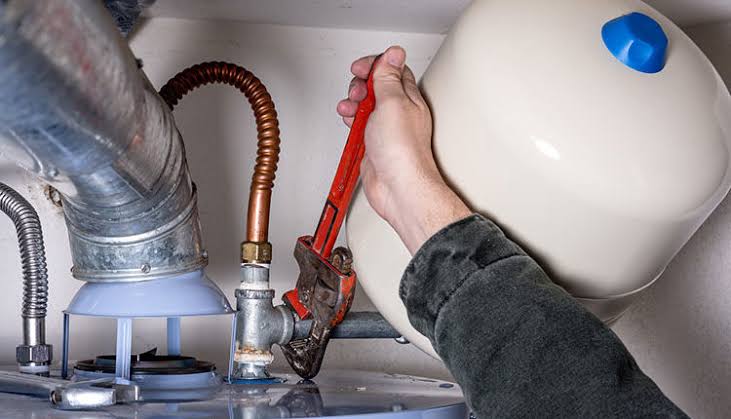
Hot water is one of those everyday comforts we rarely think about until it disappears. A cold shower on a winter morning, a dishwasher that struggles to clean properly, or a washing machine running without enough warm water can make even simple routines feel inconvenient. Behind that comfort is a water heater working quietly, often for years at a time.
Like any major home appliance, a water heater needs the right installation, timely maintenance, and occasional repairs. Eventually, every unit reaches a point where replacement makes more sense than continued servicing. Understanding the difference between these needs can help homeowners make practical decisions, avoid unnecessary expenses, and keep their household running smoothly.
Understanding How Your Water Heater Works
Most residential water heaters fall into two main categories: traditional tank-style systems and tankless models. A traditional unit stores a specific amount of hot water in a tank and keeps it heated until it is needed. Tankless systems heat water only when a tap or appliance calls for it.
Tank-style heaters are widely used because they are familiar, relatively straightforward to install, and available in different sizes. Their main limitation is that the stored supply can run out during periods of heavy use. Tankless systems offer a continuous supply, but they must be correctly sized to meet the household’s flow rate and may require more complex installation work.
Other factors also influence the right choice. Homeowners should consider the number of people in the property, the number of bathrooms, fuel type, available space, energy costs, and local water conditions. A system that works perfectly for a small apartment may not be suitable for a large family home.
Why Professional Installation Matters
A water heater is not an appliance that should be installed casually. It involves water connections, energy sources, pressure controls, drainage, and, in some cases, gas combustion or high-voltage electricity. Mistakes during installation can affect performance and create serious safety concerns.
Professional water heater installation ensures that the unit is connected according to manufacturer instructions and local building and safety requirements. A qualified technician can verify pipe sizing, shut-off valves, temperature settings, pressure relief components, venting, and other essential details.
Gas-powered heaters require particular care because improper venting or gas connections can expose occupants to dangerous leaks or carbon monoxide. Electric models also need the correct circuit capacity and wiring. Even a small installation error can lead to inefficient heating, water damage, or premature equipment failure.
A professional installer can also help determine whether the selected unit is appropriately sized. An undersized water heater may struggle to meet demand, while an oversized model may cost more to purchase and operate than necessary. Proper sizing is one of the simplest ways to improve long-term satisfaction with a new system.
Recognizing When Repairs Are Needed
Water heaters often show warning signs before they stop working completely. Paying attention to these symptoms can make it easier to address a small problem before it becomes a major emergency.
Common signs of trouble include:
- Water that does not get hot enough
- Hot water that runs out unusually quickly
- Strange popping, banging, or rumbling sounds
- Water leaking around the tank or connections
- Rust-colored or unpleasant-smelling hot water
- Fluctuating water temperatures
- Higher-than-usual energy bills
Professional water heater repair can resolve many issues, depending on the age and condition of the unit. A technician may replace a faulty thermostat, heating element, pressure valve, dip tube, or damaged connection. In some cases, flushing the tank can remove sediment that is reducing efficiency or creating unusual noises.
However, repair is not always the best answer. If the tank itself is leaking, the internal corrosion is extensive, or several components are failing at once, continuing to invest in repairs may only delay the inevitable. A professional assessment can help homeowners understand whether the problem is minor or part of a larger decline.
The Role of Regular Maintenance
Regular maintenance can improve performance and extend the useful life of a water heater. Traditional tank systems may collect sediment at the bottom, especially in areas with hard water or mineral-rich supplies. This buildup forces the heater to work harder and can reduce the amount of usable hot water.
A professional may recommend flushing the tank periodically to remove sediment. The pressure relief valve should also be checked, and visible connections should be inspected for signs of corrosion or leakage. Gas-powered units need attention to burners, venting, and combustion components, while electric heaters may require inspection of heating elements and electrical connections.
Tankless water heaters have different maintenance needs. Mineral buildup can affect the heat exchanger, making descaling especially important in hard-water areas. Filters and inlet screens may also need cleaning to maintain proper water flow.
Homeowners should avoid attempting complex maintenance without understanding the risks. Water heaters contain extremely hot water, pressurized components, gas connections, or high-voltage wiring. Professional service is often the safest choice, particularly when the system shows signs of damage.
Knowing When Replacement Makes More Sense
Even with proper care, water heaters do not last forever. Traditional tank units commonly have a useful life of roughly 8 to 12 years, although actual lifespan depends on water quality, maintenance, installation quality, and usage. Tankless systems may last longer, but they also require regular servicing to maintain performance.
Homeowners should begin considering water heater replacement when the unit is old, inefficient, frequently breaking down, or showing signs of tank leakage. A leaking tank generally cannot be repaired permanently because the internal structure has already deteriorated.
Replacement may also be worth considering when energy bills continue to rise or the household’s hot water needs have changed. For example, a growing family may need a larger tank or a properly sized tankless system. On the other hand, someone converting a utility room or downsizing may prefer a compact unit that saves space.
When comparing replacement options, look beyond the purchase price. Consider installation costs, expected energy consumption, maintenance requirements, warranty coverage, and the availability of replacement parts. A cheaper unit may not be the most economical choice over its entire service life.
Improving Efficiency and Reducing Waste
There are several ways to make a water heater work more efficiently. Setting the temperature to a safe and reasonable level can reduce energy use while lowering the risk of scalding. Insulating accessible hot-water pipes may help reduce heat loss, especially when the water heater is located far from frequently used fixtures.
Low-flow showerheads and efficient faucets can also reduce hot-water demand without making daily use uncomfortable. If a household regularly runs out of hot water, spreading showers, laundry, and dishwashing throughout the day may help, although persistent shortages could indicate an undersized or failing system.
For homeowners interested in energy savings, high-efficiency heat pump water heaters may be worth exploring where suitable. These systems use electricity to move heat rather than generating heat directly, but they require appropriate space, climate considerations, and installation conditions.
Making a Smart Water Heater Decision
A water heater is a long-term household investment, not simply another appliance to replace when it fails. Choosing the right system requires attention to household demand, available energy sources, installation requirements, and future maintenance needs.
Professional installation helps establish a safe and efficient foundation. Prompt repairs can prevent minor problems from becoming expensive failures, while regular maintenance supports better performance. When a unit becomes too old or unreliable, replacement may provide greater value than repeated repairs.
The goal is simple: dependable hot water without unnecessary stress, waste, or surprise expenses. With thoughtful planning and qualified professional support, homeowners can enjoy a water heating system that serves their needs comfortably for years to come.