Water is one of those everyday essentials we rarely stop to think about until something seems wrong. Perhaps your kettle develops a layer of white scale, your bathroom taps collect stubborn stains, or the drinking water suddenly tastes different. These small annoyances can make you wonder whether your water supply needs attention.
Sometimes the issue is relatively simple, such as excess hardness or sediment. In other cases, the cause isn’t visible at all and requires proper testing to identify. Either way, choosing a solution without understanding the problem can lead to unnecessary expenses and disappointing results.
The good news is that improving water quality doesn’t have to be complicated. With a little knowledge, sensible testing, and equipment suited to your needs, you can make better decisions for your home or business.
Understanding What’s Really in Your Water
Water quality depends on several factors, including its source, local geology, treatment processes, and the condition of the plumbing it travels through. A household supplied by a municipal network may face different concerns from a property using borewell water. Even nearby buildings can experience different issues.
Hard water is a common example. It contains elevated levels of calcium and magnesium, which can leave deposits on faucets, showerheads, and glassware. You might notice that soap doesn’t lather as easily or that your water heater needs more attention because scale accumulates inside it.
Other concerns call for different solutions. Sediment can cause cloudiness, iron may leave reddish stains, and certain contaminants require specific treatment technologies. Some potentially harmful substances don’t change water’s appearance, taste, or smell at all.
That’s why water testing is such a useful starting point. A suitable laboratory test can help identify the substances present and establish whether treatment is necessary. The exact tests should depend on your water source and local risks rather than a generic checklist.
Once you understand the results, it’s much easier to select equipment that addresses the actual concern instead of paying for features you may never need.
How Water Treatment Systems Support Everyday Life
Modern water treatment systems use different technologies to improve water quality for specific purposes. Some remove suspended particles, others reduce particular dissolved substances, and some are designed to control hardness or disinfect water.
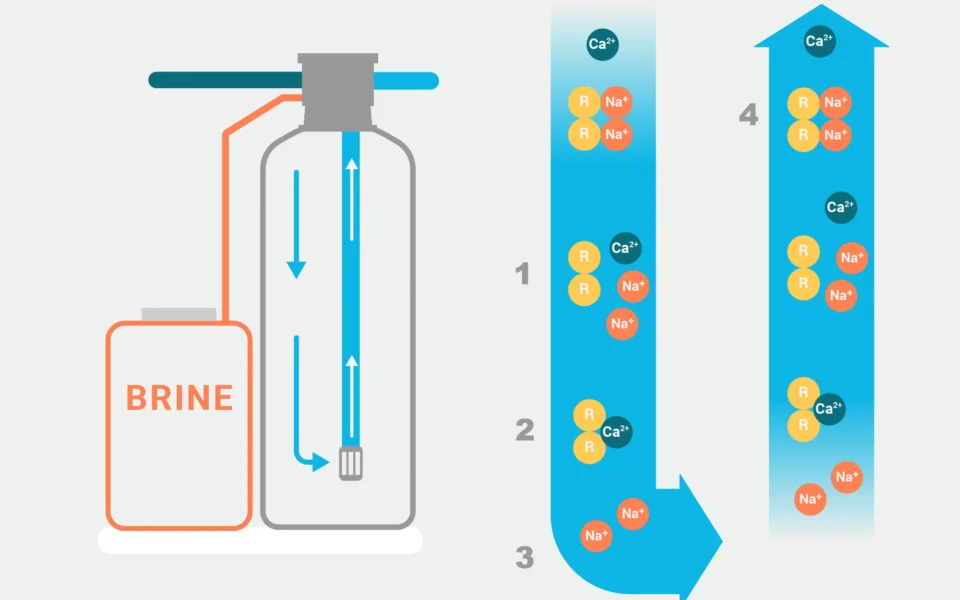
Sediment filters, for example, capture particles such as sand and rust. Activated carbon filters can reduce chlorine taste and odor when designed for that purpose. Reverse osmosis systems can reduce many dissolved substances, while conventional water softeners reduce hardness minerals through an ion-exchange process.
These technologies aren’t interchangeable. A softener won’t disinfect contaminated water, and a basic sediment filter won’t necessarily remove dissolved chemicals. Choosing the right equipment means matching its capabilities to the results of your water assessment.
It’s also worth thinking about where treatment is needed. Some households want better-tasting water at the kitchen sink, while others need to address hardness throughout the plumbing system. A point-of-use filter may be sufficient for the first situation, whereas the second could require equipment installed where water enters the property.
The best solution isn’t necessarily the largest or most expensive one. It’s the system that does the required job reliably, fits your water usage, and remains practical to maintain.
Residential Water Needs Can Be Surprisingly Different
In a home, water affects far more than drinking and cooking. It influences bathing, laundry, cleaning, appliance performance, and the general comfort of daily routines.
For residential properties, treatment decisions often begin with a noticeable problem. A family might struggle with mineral deposits in the bathroom, while another household may want to improve the taste of its drinking water. Someone using a private borewell could have a completely different set of concerns.
Household size also matters. A compact drinking-water filter may serve a small family perfectly well, but a larger home with several bathrooms could need a different arrangement to maintain suitable water flow. Equipment that’s too small may struggle during busy mornings, when showers, washing machines, and kitchen taps are all in use.
Before purchasing a system, consider the number of people in your household, daily water consumption, available installation space, and ongoing replacement costs. Ask whether the unit requires electricity, a drain connection, salt, or periodic professional servicing.
Don’t overlook maintenance access, either. A filter hidden behind an awkward cabinet can become a nuisance when cartridges need changing. Practical details like these might not appear on the product box, but they affect how satisfied you’ll be with the system over time.
Commercial Properties Need Reliability and Consistency
Water requirements can become considerably more demanding in workplaces and business facilities. Restaurants depend on water for food preparation, cleaning, and equipment operation. Hotels need dependable supplies across many rooms, while manufacturing businesses may require specific water characteristics for their processes.
For commercial properties, water treatment isn’t just about comfort. Poorly managed water quality can contribute to scale buildup, equipment downtime, inconsistent product quality, and additional maintenance costs. The consequences depend on the business, but interruptions can become expensive surprisingly quickly.
A restaurant, for instance, may need to consider the water used in coffee machines and ice makers as well as general cleaning. A hotel with hard water may find that scale affects fixtures, boilers, and other equipment. In an industrial setting, the required treatment could be much more specialised.
Commercial systems should therefore be selected according to peak demand, operating schedules, applicable regulations, and the consequences of an equipment failure. A professional assessment can help establish appropriate capacity and identify which treatment stages are necessary.
Maintenance planning deserves equal attention. Businesses benefit from clear service records, scheduled inspections, readily available replacement parts, and a plan for dealing with unexpected problems. Waiting until a system stops working is rarely the cheapest approach.
Installation and Maintenance Matter as Much as Equipment
Even a well-designed treatment unit can perform poorly if it’s installed incorrectly. Poor connections may leak, unsuitable sizing can restrict flow, and incorrect settings may prevent equipment from working as intended.
A qualified installer should evaluate the plumbing layout, incoming water pressure, drainage requirements, and expected demand. They should also explain the system’s limitations, demonstrate its basic operation, and provide clear instructions for routine care.
Maintenance requirements vary by technology. Filters need replacement at appropriate intervals, softeners may need salt replenishment, and some systems require periodic sanitisation or specialist servicing. The correct schedule depends on the manufacturer’s guidance, actual usage, and incoming water quality.
Keep records of filter changes, repairs, and water test results. If the taste changes or flow suddenly drops, this information can help identify the cause. And remember, not every change means the treatment unit has failed. The issue could originate in the supply, a storage tank, or the plumbing itself.
Making a Better Choice for the Long Term
Improving water quality starts with asking the right questions. What problem are you trying to solve? Has the water been tested? Which technology is designed to address the issue, and what will it cost to operate over several years?
These questions apply whether you’re choosing a small kitchen filter or planning treatment for an entire commercial facility. They help you look beyond marketing promises and focus on what genuinely matters.
Good water treatment isn’t about buying the most advanced equipment available. It’s about understanding your water, selecting a suitable solution, and maintaining it properly.
When those pieces come together, the benefits are practical and lasting: fewer avoidable plumbing problems, more dependable equipment, and greater confidence in the water you use every day. That’s a worthwhile improvement, whether you’re looking after a family home or keeping a business running smoothly.