Clean water is one of those things most of us don’t think about until something goes wrong. A strange taste, cloudy glass, unusual smell, or stubborn buildup around the faucet can quickly make you wonder what’s actually coming through the pipes.
The good news is that water quality problems can often be identified and managed with the right approach. Modern purification isn’t simply about putting a filter under the sink and hoping for the best. It’s about understanding what’s in your water, choosing technology that addresses those specific concerns, and keeping the system working properly over time.
Start by Understanding Your Water
Every water supply has its own personality, so to speak. Municipal water, private wells, rainwater systems, and stored water can all have very different characteristics. Even homes in the same neighborhood may experience differences because of plumbing materials, building age, or changes in the local supply.
Common concerns include sediment, chlorine, hardness minerals such as calcium and magnesium, heavy metals, microorganisms, and unpleasant odors. Some contaminants are obvious, while others have no taste or smell at all.
That’s why guessing isn’t a great strategy. A basic understanding of your water quality gives you a much clearer starting point.
Why Ultraviolet Purification Has Become So Popular
When microorganisms are a concern, ultraviolet technology can be an effective addition to a water treatment setup. uv water purification uses ultraviolet light to disrupt the ability of certain microorganisms to reproduce, without adding chemicals to the water.
It’s particularly useful in applications where microbiological protection matters, including some private well systems. UV treatment doesn’t remove minerals, sediment, or dissolved chemicals, though, which is an important distinction. It’s not a magic wand.
A well-designed system may therefore combine UV with sediment filtration or other treatment technologies. The goal is to make each component do the job it’s actually suited for rather than expecting one device to solve every water problem.
Filtration Should Match the Problem
There’s a surprisingly common misconception that a “better” filter is automatically the right filter. In reality, filtration works best when it’s matched to the contaminants you’re trying to address.
Sediment filters, for example, can capture particles such as sand, dirt, and rust. Activated carbon is often used to reduce chlorine and improve taste and odor. Water softeners address hardness minerals, while reverse osmosis systems can target a broader range of dissolved substances at the point of use.
Think of it like choosing shoes. You wouldn’t wear hiking boots to a formal dinner just because they’re durable. The same basic idea applies to water treatment: the right tool depends on the job.
Technology Is Changing How We Manage Water
Water treatment used to be largely reactive. Something looked wrong, a filter was changed, or a technician was called. Today, connected technology is making it easier to understand what’s happening before a small issue turns into an expensive headache.
Modern water monitoring & smart systems can help homeowners keep track of factors such as water usage, system performance, leaks, pressure, or maintenance needs, depending on the equipment installed.
That kind of visibility can be genuinely useful. Imagine discovering an unusual increase in water consumption while you’re away from home. Instead of finding a flooded utility room days later, you may have an opportunity to investigate much sooner.
Smart technology doesn’t replace good maintenance, but it can give homeowners better information and faster warnings.
Testing Is Still the Foundation
Technology is helpful, but there’s no substitute for knowing what’s actually in the water. Water can look perfectly clear and still contain contaminants that aren’t visible to the naked eye.
Professional professional water testing can provide a more reliable picture of water quality than simply judging it by taste or appearance. Depending on the situation, testing may examine hardness, pH, iron, bacteria, chlorine, lead, nitrates, or other concerns.
For private wells especially, periodic testing is important because groundwater conditions can change. Nearby construction, agricultural activity, flooding, damaged well components, or seasonal changes may affect water quality.
Testing also prevents unnecessary spending. If a particular contaminant isn’t present, there may be little reason to invest in a treatment system designed specifically for it.
Don’t Forget About the Plumbing
Water quality isn’t only about the water source. Your home’s plumbing can influence what happens between the treatment system and your kitchen tap.
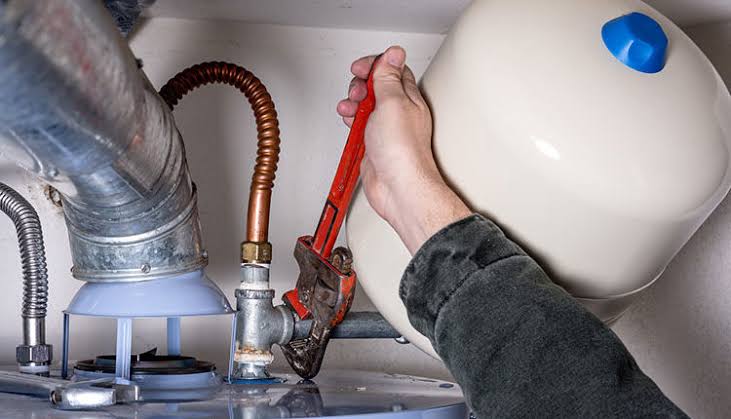
Older pipes may contribute sediment or metals. Corrosion, leaks, poor connections, and aging fixtures can also affect water quality. In some cases, a homeowner may install an excellent filtration system but overlook a plumbing issue that’s happening downstream.
This is why water treatment and plumbing should be viewed as parts of the same bigger picture.
If you notice rusty-colored water, recurring leaks, low pressure, unusual odors, or sudden changes in taste, don’t automatically assume the filter is the culprit. Sometimes the real problem is somewhere else in the system.
Maintenance Matters More Than People Think
Even a high-quality purification system needs attention. Filters eventually become saturated, UV lamps have service requirements, membranes need maintenance, and valves or other components can wear out.
Skipping maintenance may reduce performance and, depending on the system, can create new problems.
A simple maintenance routine might include:
- Replacing filters according to the manufacturer’s recommendations.
- Checking for leaks around connections and housings.
- Monitoring changes in taste, odor, or water pressure.
- Scheduling periodic water testing when appropriate.
- Inspecting UV equipment and replacing lamps as required.
- Keeping records of service and filter changes.
It doesn’t have to become a weekend project. A little consistency goes a long way.
Choosing a System Without Overcomplicating It
The best water treatment setup isn’t necessarily the largest or most expensive one. It’s the system that fits the actual needs of the household.
Start with the water source and test results. Then consider how much water your family uses, whether treatment is needed throughout the home or only at drinking taps, available installation space, ongoing maintenance, and your budget.
For some homes, a straightforward filtration system may be enough. Others may benefit from several treatment stages working together. A professional evaluation can be especially useful when water problems are complicated or when you’re dealing with a private well.
The important thing is to avoid buying technology simply because it sounds impressive. More equipment doesn’t automatically mean better water.
A More Thoughtful Approach to Clean Water
Water purification is becoming smarter, more precise, and easier to monitor, but the fundamentals haven’t really changed. Understand your water. Test when necessary. Choose treatment based on actual needs. Maintain the equipment. Keep an eye on the plumbing.
That approach may sound less exciting than buying the newest gadget, but it’s far more practical.
At the end of the day, clean water should feel uneventful. No strange smell when you fill a glass. No constant worry about what’s coming out of the tap. Just water that works for your home and fits comfortably into everyday life.
And honestly, that’s the goal worth aiming for.