Category: Medical

  • When a Small Bulge Becomes a Bigger Concern: Understanding Hernia Care Today

    When a Small Bulge Becomes a Bigger Concern: Understanding Hernia Care Today

    It usually starts with something subtle. A slight bulge, maybe a dull ache after lifting something heavy, or that odd feeling in your abdomen that you can’t quite explain. You ignore it at first—most people do. Life is busy, and it doesn’t seem urgent.

    But then it doesn’t go away.

    That’s when curiosity turns into concern, and eventually, a doctor’s visit brings a word you might’ve heard before but never really thought about: hernia.

    And suddenly, you’re trying to make sense of it all.

    What’s Actually Happening Inside the Body

    A good hernia overview helps clear up a lot of confusion early on. In simple terms, a hernia occurs when an internal part of the body pushes through a weak spot in the surrounding muscle or tissue. It’s more common than people realize, and it can happen in different areas—most often in the abdomen.

    Some hernias are barely noticeable. Others can cause discomfort, especially when bending, lifting, or even just standing for long periods.

    The tricky part is that hernias don’t fix themselves. They may stay stable for a while, but they don’t disappear without treatment.

    And that’s where decisions start to come into play.

    When Waiting Isn’t the Best Option

    For some people, a hernia might not cause immediate problems. Doctors may suggest monitoring it, especially if it’s small and not painful.

    But over time, symptoms can change. The bulge might become more prominent. Discomfort may increase. Daily activities might feel a bit more difficult than before.

    That’s when treatment becomes a more serious consideration.

    And while the idea of surgery can feel intimidating, it’s worth knowing that hernia repair is one of the most common—and well-understood—procedures in modern medicine.

    The Evolution of Hernia Repair

    If you go back a couple of decades, hernia surgery often meant larger incisions and longer recovery periods. It was effective, but not exactly gentle.

    Today, things look different.

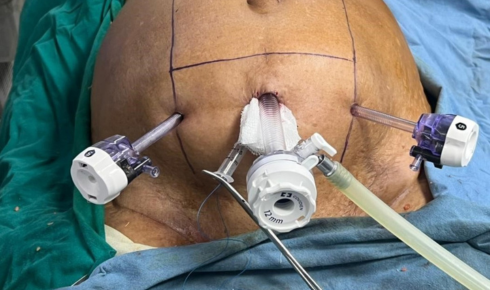
    Techniques have evolved, tools have improved, and there’s a much stronger focus on reducing the impact on the body. Many patients now have access to minimally invasive hernia repair, which uses smaller incisions and specialized instruments to fix the issue with less disruption.

    For patients, this often means less pain, quicker recovery, and a faster return to normal routines.

    It doesn’t make the process effortless—but it makes it far more manageable than people expect.

    When the Case Is More Complex

    Not all hernias are straightforward.

    Some are larger, more complicated, or have recurred after previous repairs. In these cases, the approach needs to be more detailed and carefully planned.

    That’s where abdominal wall reconstruction comes into the picture. This isn’t just about fixing a hernia—it’s about restoring strength and stability to the abdominal wall itself.

    It’s a more advanced procedure, often requiring a higher level of expertise. But for patients dealing with complex cases, it can provide a long-term solution that improves both function and comfort.

    And while it might sound intimidating, it’s also a reflection of how far surgical care has come.

    What the Experience Feels Like Today

    One of the biggest surprises for many patients is how structured the entire process feels.

    There’s a clear path—from diagnosis to treatment to recovery. You’re not left guessing what comes next or trying to piece things together on your own.

    Doctors take time to explain what’s happening, why it needs to be addressed, and what your options are. You’re encouraged to ask questions, to understand the plan, to feel comfortable with the decisions being made.

    And that makes a big difference.

    Because when you understand the process, it feels less overwhelming.

    Recovery Isn’t Just About Time Anymore

    Recovery is often the part people worry about the most. How long will it take? When can I get back to normal?

    The answer varies depending on the type of procedure and your overall health. But what’s changed is how recovery is approached.

    It’s no longer just about resting and waiting. There’s guidance—on movement, on activity levels, on what to expect at each stage.

    Patients are often encouraged to start moving sooner, within safe limits, to support healing rather than delay it.

    And that shift makes recovery feel more active, more manageable.

    The Emotional Side of It All

    This part doesn’t always get enough attention, but it matters.

    Dealing with a hernia—especially when surgery is involved—can be stressful. There’s uncertainty, maybe a bit of fear, and a lot of questions.

    What’s reassuring is that healthcare providers are becoming more aware of this. There’s more emphasis on communication, on making sure patients feel heard and supported.

    Because it’s not just about fixing a physical issue—it’s about helping someone feel confident and comfortable throughout the process.

    Choosing the Right Approach

    With different treatment options available, it’s natural to feel unsure about what’s best.

    Should you wait or proceed with surgery? If surgery is needed, which approach is right?

    These aren’t decisions you have to make alone.

    Take your time. Talk to your doctor. Ask questions. Understand the reasoning behind each recommendation.

    The goal isn’t to rush—it’s to make a decision that feels right for you.

    A Different Way of Looking at It

    What’s interesting is how hernia care has evolved—not just in terms of technique, but in how patients experience it.

    It’s no longer something that feels as daunting or uncertain as it once did. There’s more clarity, more support, and a stronger focus on making the process as smooth as possible.

    And that shift makes it easier for people to take action when they need to.

    Final Thoughts

    A hernia might start as a small issue, but it’s not something to ignore indefinitely.

    The good news is that modern treatment options are more advanced, more precise, and more patient-friendly than ever before.

    If you’re dealing with symptoms or considering treatment, don’t hesitate to learn more, ask questions, and explore your options.

    Because understanding what’s possible doesn’t just help you make better decisions—it makes the entire journey feel a little less overwhelming.

    And sometimes, that’s exactly what you need to take the next step forward.
  • Comprehensive Guide to Pharmaceutical Development and Testing: Key Aspects to Consider

    Comprehensive Guide to Pharmaceutical Development and Testing: Key Aspects to Consider

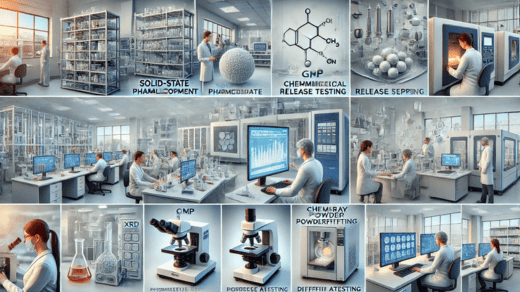
    The pharmaceutical industry is constantly evolving, and with it, the processes and technologies used in drug development and testing. For companies aiming to stay competitive and ensure the highest quality products, understanding various aspects of pharmaceutical development is crucial. This article explores solid-state pharmaceutical development, GMP pharmaceutical release testing, chemical intellectual property support, pharmaceutical contaminant analysis, and x-ray powder diffraction testing labs, offering insights into their significance and implementation.

    Solid-State Pharmaceutical Development

    Solid-state pharmaceutical development focuses on the physical and chemical properties of drugs in their solid forms. This stage is critical as it affects the drug’s stability, solubility, and bioavailability. Key processes include the study of polymorphism (different crystalline forms), particle size, and morphology. Solid-state characterization ensures that the drug maintains its efficacy and safety throughout its shelf life. Employing advanced analytical techniques like thermal analysis and spectroscopy helps in understanding the drug’s behavior in solid form, thus optimizing formulation strategies.

    GMP Pharmaceutical Release Testing

    Good Manufacturing Practice (GMP) pharmaceutical release testing is a cornerstone of ensuring drug safety and efficacy. GMP guidelines are established by regulatory agencies like the FDA to ensure that pharmaceutical products are consistently produced and controlled according to quality standards. Release testing involves a series of rigorous evaluations to verify that each batch of a pharmaceutical product meets the required specifications before it is released to the market. This includes testing for potency, purity, stability, and contamination. Implementing GMP standards helps prevent defective or unsafe products from reaching consumers, safeguarding public health.

    Chemical Intellectual Property Support

    Chemical intellectual property (IP) support is essential for protecting innovations in pharmaceutical development. This includes patenting new compounds, formulations, or processes. IP protection helps pharmaceutical companies safeguard their research and development investments from competitors and unauthorized use. Effective IP strategies involve conducting thorough prior art searches, drafting robust patent applications, and navigating patent laws to secure and enforce intellectual property rights. This support is crucial for maintaining a competitive edge and fostering innovation in the pharmaceutical industry.

    Pharmaceutical Contaminant Analysis

    Pharmaceutical contaminant analysis is critical for ensuring the safety and purity of drug products. Contaminants can arise from various sources, including raw materials, manufacturing processes, and environmental conditions. Analyzing and identifying these contaminants helps in preventing potential risks to patients. Techniques such as high-performance liquid chromatography (HPLC) and mass spectrometry (MS) are commonly used to detect and quantify contaminants. Regular contaminant analysis not only helps in maintaining product quality but also complies with regulatory requirements and industry standards.

    X-Ray Powder Diffraction Testing Lab

    X-ray powder diffraction (XRD) testing is a powerful analytical technique used to determine the crystalline structure of pharmaceutical compounds. XRD provides valuable information about the material’s phase composition, crystal system, and particle size. This data is essential for understanding how a drug will behave in its final dosage form. In a dedicated XRD testing lab, samples are exposed to X-ray beams, and the resulting diffraction patterns are analyzed to identify the crystalline phases present. This information is crucial for solid-state pharmaceutical development, ensuring that the drug’s physical properties are optimized for performance and stability.

    Conclusion

    In conclusion, the landscape of pharmaceutical development and testing is multifaceted, encompassing a range of specialized processes and technologies. Solid-state pharmaceutical development, GMP pharmaceutical release testing, chemical intellectual property support, pharmaceutical contaminant analysis, and x-ray powder diffraction testing labs each play a vital role in ensuring the quality, safety, and efficacy of pharmaceutical products. By integrating these aspects into their operations, pharmaceutical companies can achieve higher standards of product development and maintain a competitive edge in the industry.

    4o mini

  • Improving Healthcare Outcomes in the UAE through Quality Diagnostics

    Improving Healthcare Outcomes in the UAE through Quality Diagnostics

    In the healthcare sector, accurate and timely diagnostics are critical for effective treatment and improved patient outcomes. The United Arab Emirates (UAE) has been at the forefront of adopting advanced diagnostic technologies and practices to enhance healthcare delivery. This article explores the significance of quality diagnostics in improving healthcare outcomes in the UAE, highlighting the advancements, challenges, and future directions in the field.

    The Importance of Quality Diagnostics

    1. Accurate Diagnosis

    Accurate diagnostics are the foundation of effective healthcare. They ensure that diseases and conditions are correctly identified, leading to appropriate and timely treatments. Key benefits include:

    • Correct Treatment: Accurate diagnostics enable healthcare providers to prescribe the right treatment, reducing the risk of complications and improving patient outcomes.
    • Early Detection: Early diagnosis of diseases, such as cancer and cardiovascular conditions, can significantly improve survival rates and reduce treatment costs.
    • Disease Management: Effective monitoring and management of chronic diseases, such as diabetes and hypertension, rely on precise diagnostic tools.

    2. Improved Patient Outcomes

    Quality diagnostics directly contribute to better patient outcomes by:

    • Reducing Misdiagnosis: Minimizing the risk of misdiagnosis and subsequent inappropriate treatments.
    • Enhancing Treatment Efficacy: Ensuring that treatments are based on accurate diagnostic information, leading to higher efficacy and fewer side effects.
    • Preventing Disease Progression: Identifying diseases at an early stage, preventing their progression and reducing the burden on the healthcare system.

    3. Cost-Effective Healthcare

    Investing in quality diagnostics can lead to cost savings in the long term by:

    • Avoiding Unnecessary Treatments: Preventing the cost of treating incorrectly diagnosed conditions.
    • Reducing Hospital Admissions: Early and accurate diagnosis can reduce the need for hospital admissions and lengthy hospital stays.
    • Optimizing Resource Utilization: Ensuring that healthcare resources are used efficiently, improving overall healthcare delivery.

    Advancements in Diagnostic Technologies

    1. Imaging Technologies

    Advanced imaging technologies have revolutionized diagnostics by providing detailed insights into the human body. Key advancements include:

    • Magnetic Resonance Imaging (MRI): High-resolution imaging for diagnosing neurological, musculoskeletal, and cardiovascular conditions.
    • Computed Tomography (CT): Detailed cross-sectional images for identifying tumors, fractures, and internal bleeding.
    • Ultrasound: Non-invasive imaging for prenatal care, cardiac assessments, and soft tissue evaluations.
    • Positron Emission Tomography (PET): Functional imaging to detect metabolic changes in tissues, useful for cancer diagnosis and treatment monitoring.

    2. Molecular Diagnostics

    Molecular diagnostics involve the analysis of DNA, RNA, and proteins to diagnose diseases at a molecular level. Key technologies include:

    • Polymerase Chain Reaction (PCR): Amplifies genetic material to detect infectious diseases, genetic disorders, and cancer.
    • Next-Generation Sequencing (NGS): Provides comprehensive genetic profiling for personalized medicine and precision oncology.
    • Fluorescence In Situ Hybridization (FISH): Identifies chromosomal abnormalities and genetic mutations in cancer and genetic disorders.

    3. Point-of-Care Testing (POCT)

    POCT technologies allow for rapid and accurate diagnostic tests at the patient’s bedside or in remote locations. Key benefits include:

    • Immediate Results: Providing results within minutes, facilitating prompt clinical decision-making.
    • Accessibility: Enabling diagnostic testing in remote and underserved areas, improving healthcare access.
    • Convenience: Reducing the need for laboratory visits and streamlining patient care.

    4. Artificial Intelligence and Machine Learning

    AI and ML are transforming diagnostics by enhancing the accuracy and efficiency of diagnostic processes. Applications include:

    • Image Analysis: AI algorithms can analyze medical images to detect abnormalities with high precision.
    • Predictive Analytics: ML models predict disease risk and outcomes based on patient data, aiding in early diagnosis and intervention.
    • Decision Support Systems: AI-powered systems provide clinicians with diagnostic recommendations based on vast amounts of medical data.

    Implementing Quality Diagnostics in the UAE

    1. Healthcare Infrastructure Development

    The UAE has invested significantly in healthcare infrastructure to support advanced diagnostics. Key initiatives include:

    • State-of-the-Art Hospitals: Building and upgrading hospitals with cutting-edge diagnostic facilities.
    • Specialized Diagnostic Centers: Establishing centers of excellence focused on advanced diagnostic services.
    • Mobile Health Units: Deploying mobile units equipped with diagnostic tools to reach remote and underserved populations.

    2. Training and Education

    Ensuring that healthcare professionals are skilled in the latest diagnostic technologies is crucial for effective implementation. Efforts include:

    • Continuous Medical Education (CME): Providing ongoing training programs for healthcare professionals to stay updated on new diagnostic methods.
    • Specialist Training Programs: Offering specialized training for radiologists, pathologists, and laboratory technicians.
    • Partnerships with Academic Institutions: Collaborating with universities and medical schools to incorporate advanced diagnostics into healthcare curricula.

    3. Quality Assurance and Standardization

    Maintaining high standards and quality assurance in diagnostics is essential for accuracy and reliability. Strategies include:

    • Accreditation and Certification: Ensuring diagnostic laboratories and centers meet international standards through accreditation bodies like ISO and CAP.
    • Standardized Protocols: Implementing standardized diagnostic protocols and procedures to ensure consistency and accuracy.
    • Regular Audits and Assessments: Conducting regular audits and assessments to monitor and improve the quality of diagnostic services.

    4. Public Awareness and Access

    Increasing public awareness about the importance of diagnostics and improving access to diagnostic services are key to enhancing healthcare outcomes. Initiatives include:

    • Health Education Campaigns: Educating the public about the benefits of early diagnosis and regular health check-ups.
    • Screening Programs: Implementing nationwide screening programs for common diseases like cancer, diabetes, and cardiovascular conditions.
    • Subsidized Diagnostic Services: Providing subsidized or free diagnostic services for low-income and vulnerable populations.

    Challenges in Enhancing Diagnostic Quality

    1. High Costs

    The cost of advanced diagnostic technologies can be prohibitive. Strategies to address this include:

    • Government Funding: Securing government funding and subsidies to support the implementation of advanced diagnostics.
    • Public-Private Partnerships (PPPs): Collaborating with private sector entities to share costs and resources.
    • Innovative Financing Models: Exploring innovative financing models, such as health impact bonds, to fund diagnostic initiatives.

    2. Workforce Shortages

    A shortage of skilled healthcare professionals can hinder the implementation of quality diagnostics. Solutions include:

    • Incentive Programs: Offering incentives such as scholarships, loan forgiveness, and competitive salaries to attract and retain skilled professionals.
    • International Recruitment: Recruiting qualified professionals from abroad to fill workforce gaps.
    • Telemedicine and Remote Diagnostics: Utilizing telemedicine and remote diagnostic services to leverage expertise from global specialists.

    3. Technological Integration

    Integrating advanced diagnostic technologies into existing healthcare systems can be challenging. Strategies include:

    • Interoperability Standards: Implementing standards to ensure seamless data exchange between different diagnostic systems and healthcare providers.
    • Infrastructure Upgrades: Upgrading healthcare infrastructure to support the integration of new technologies.
    • Training and Support: Providing training and technical support to healthcare providers to facilitate the adoption of new diagnostic tools.

    Future Directions in Diagnostic Services in the UAE

    1. Expansion of Genomic Medicine

    Genomic medicine has the potential to revolutionize diagnostics by enabling personalized and precision healthcare. Future directions include:

    • Population Genomics Programs: Conducting large-scale genomic studies to identify genetic risk factors and develop targeted interventions.
    • Integration with Clinical Practice: Incorporating genomic data into routine clinical practice to inform diagnosis, treatment, and prevention strategies.
    • Genetic Counseling Services: Expanding genetic counseling services to support patients and families in understanding and managing genetic risks.

    2. Development of Smart Diagnostics

    Smart diagnostics combine advanced technologies with data analytics to enhance diagnostic accuracy and efficiency. Innovations include:

    • AI-Driven Diagnostics: Developing AI algorithms that can analyze complex diagnostic data and provide accurate diagnoses.
    • Wearable Diagnostic Devices: Creating wearable devices that continuously monitor health metrics and detect early signs of disease.
    • Remote Diagnostic Platforms: Implementing platforms that enable remote diagnostics and teleconsultations, improving access to specialist care.

    3. Collaborative Research and Innovation

    Collaborative research and innovation are essential for advancing diagnostic technologies and practices. Key initiatives include:

    • Research Partnerships: Collaborating with academic institutions, research organizations, and industry partners to conduct cutting-edge diagnostic research.
    • Innovation Hubs: Establishing innovation hubs and incubators to support the development and commercialization of new diagnostic technologies.
    • Clinical Trials: Conducting clinical trials to validate and refine new diagnostic methods and tools.

    Improving healthcare outcomes in the UAE through quality diagnostics involves investing in advanced technologies, building robust healthcare infrastructure, training skilled professionals, and ensuring public access to diagnostic services. By addressing challenges and leveraging innovative solutions, the UAE can continue to enhance the accuracy, efficiency, and accessibility of diagnostics, leading to better patient outcomes and a stronger healthcare system. As the field of diagnostics evolves, ongoing research, collaboration, and technological integration will be crucial for sustaining progress and achieving excellence in healthcare.

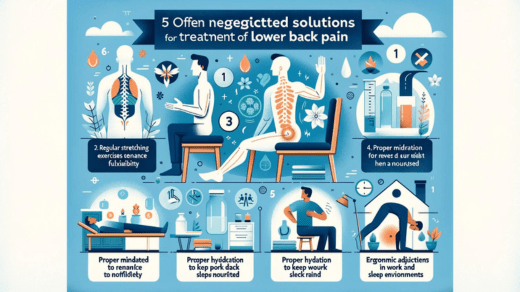
  • 5 Often Neglected Solutions for Treatment of Lower Back Pain

    5 Often Neglected Solutions for Treatment of Lower Back Pain

    Lower back pain is a common issue affecting millions of people worldwide. Neglecting the pain may worsen the condition. Medications and surgeries are conventional lower back pain treatment methods that can provide relief. However, before opting for these treatments, consider these non-invasive solutions that are commonly overlooked or underused. Patients can try combinations of these remedies and identify which among them works best for them.

    ●    Release Your Inner Endorphins

    Endorphin is a natural pain-relieving hormone produced by the body. It helps block pain signals from reaching the brain and alleviates anxiety, stress, and depression associated with chronic lower back pain. Thus, engage in activities such as aerobics, massage therapy, and meditation that boost the endorphin level in your body.

    ●    Prioritize Restful Sleep

    Chronic lower back pain often leads to insomnia. The person suffering from pain finds it difficult to fall asleep, which worsens the pain. It is a vicious cycle that affects the person in many ways. The patient needs to get restful sleep every night, as it helps heal the tissues and recharge energy levels. If you have trouble sleeping due to pain, consult your doctor so that they may recommend some medication, lifestyle changes, or other treatments to help you get restful sleep.

    ●    Strengthen Your Core

    Your abs and back muscles play a vital role in supporting the lower spine. People living sedentary lifestyles do not exercise daily, resulting in stiff muscles. It may result in lower back pain. Practising specifically targeted exercises that strengthen your core muscles should be made part of your daily routine. Perform simple exercises every day for 20 to 30 minutes and improve your core muscles. It will help alleviate lower back pain and keep you healthy and fit.

    ●    Activate Your Mind

    According to the experts, it has been found that the more you think about the pain, it will get worse. It is a mind game in which the way your brain interprets the pain is how you perceive it. Fortunately, with the help of some skills for your brain, the person can reduce or ignore some pain signals. Some of the activities include mindful pain management practice and cognitive behavioral therapy. There are techniques for the mind and body that include practicing mindfulness and meditation that control your breathing and enhance the focus of your mind. It also keeps you relaxed and reduces the pain.

    ●    Perform Twice-Daily Hamstring Stretches

    Tight hamstrings may be one of the significant reasons for lower back pain. If your hamstring muscles are too tight, it will affect your lower back and sacroiliac joints, resulting in pain. To ease the pain, stretch your hamstrings for 15 to 30 seconds at least twice a day. There are specific hamstring stretches that you can perform at home for lower back pain relief.

    Conclusion

    In conclusion, lower back pain is a common issue and should be treated on time without failure. Before going for surgery or other treatments, consult the spine specialists of top healthcare centers, like ANSSI Wellness, and get assistance on 100% non-surgical lower back pain treatment. Non-surgical treatments will lead to better outcomes, improved quality of life, and long-term relief from your lower back pain.

  • Finding the Best Neuro Hospital in Bangalore – A Comprehensive Guide

    Finding the Best Neuro Hospital in Bangalore – A Comprehensive Guide

    Neurological disorders require specialized care and expertise. In Bangalore, known as the Silicon Valley of India, the demand for top-tier healthcare facilities, especially in the realm of neurology, is paramount. With numerous options available, selecting the best neuro hospital in bangalore can be a daunting task. However, with the right knowledge and guidance, you can make an informed decision to ensure the best possible care for yourself or your loved ones.

    Understanding the Importance of Neuro Hospitals

    Neurological disorders encompass a wide range of conditions affecting the brain, spine, and nerves. From strokes to epilepsy, Parkinson’s disease to brain tumors, these conditions often require multidisciplinary care from specialized healthcare professionals. Neuro hospitals in Bangalore are equipped with state-of-the-art technology, experienced neurologists, neurosurgeons, and support staff dedicated to providing comprehensive care to patients.

    Factors to Consider When Choosing a Neuro Hospital

    When evaluating neuro hospitals in Bangalore, several factors should be taken into account:

    1. Reputation and Expertise: Look for hospitals with a strong reputation for excellence in neurology and neurosurgery. Apollohospitals is a name synonymous with quality healthcare in Bangalore.
    2. Specialized Services: Consider the range of services offered, including neurosurgery, neurorehabilitation, neuroimaging, and neurocritical care.
    3. Technology and Infrastructure: Advanced technology and modern facilities are crucial for accurate diagnosis and effective treatment.
    4. Quality of Care: Assess the hospital’s patient outcomes, satisfaction rates, and accreditation status.
    5. Expertise of Neurologists: The proficiency and experience of neurologists and neurosurgeons play a vital role in delivering successful outcomes.
    6. Accessibility and Location: Choose a hospital that is easily accessible and located in close proximity to your residence or workplace.
    7. Patient-Centric Approach: Opt for hospitals that prioritize patient comfort, safety, and personalized care.

    Why Choose Apollohospitals for Neurology Care?

    Apollohospitals stands out as one of the best neuro hospitals in Bangalore for several reasons:

    1. World-Class Infrastructure: With cutting-edge technology and modern facilities, Apollohospitals offers a conducive environment for comprehensive neuro care.
    2. Expert Neurologists and Neurosurgeons: The hospital boasts a team of highly skilled neurologists and neurosurgeons with vast experience in treating complex neurological conditions.
    3. Multidisciplinary Approach: Apollohospitals adopts a multidisciplinary approach, involving neurologists, neurosurgeons, neuroradiologists, and neurorehabilitation specialists, to provide holistic care to patients.
    4. State-of-the-Art Diagnostic and Treatment Modalities: From advanced neuroimaging techniques to minimally invasive surgeries, Apollohospitals utilizes the latest innovations in neurology to ensure precise diagnosis and effective treatment.
    5. Focus on Research and Education: The hospital is committed to advancing the field of neurology through ongoing research initiatives and educational programs.
    6. Patient-Centric Care: Apollohospitals prioritizes patient satisfaction and comfort, offering personalized care tailored to individual needs.

    Choosing the neuro hospital in bangalore is a crucial decision that can significantly impact the outcome of neurological treatment. With its stellar reputation, world-class infrastructure, expert medical team, and patient-centric approach, Apollohospitals emerges as a top choice for individuals seeking superior neurology care in Bangalore. Take the time to research and evaluate your options to ensure you receive the best possible care for your neurological needs.

  • Best Vein Doctors, Botox in Athens, GA – Your Comprehensive Guide

    Best Vein Doctors, Botox in Athens, GA – Your Comprehensive Guide

    In the bustling city of Athens, GA, where beauty meets expertise, finding the best vein doctors and Botox specialists can make all the difference in achieving your aesthetic goals. Whether you’re seeking treatment for troublesome vein disorders or considering Botox for rejuvenating your appearance, Athens Aesthetics stands out as a premier destination for comprehensive care. Let’s delve into the world of vein treatments, Botox, and why Athens Aesthetics shines in these realms.

    Understanding Vein Disorders

    Vein disorders encompass a range of conditions affecting the blood vessels, often resulting in discomfort, swelling, and unsightly veins. Understanding the nuances of vein health is crucial for effective treatment and prevention strategies.

    What are Vein Disorders?

    Vein disorders involve abnormalities in the veins, such as varicose veins and spider veins, which can arise due to factors like genetics, lifestyle, and age.

    Types of Vein Disorders

    • Varicose Veins: Enlarged, twisted veins typically occurring in the legs.
    • Spider Veins: Small, web-like veins often found on the face and legs.
    • Deep Vein Thrombosis (DVT): Blood clot formation in deep veins, posing serious health risks.

    Importance of Vein Health

    Maintaining optimal vein health is essential for overall well-being, as untreated vein disorders can lead to complications like pain, swelling, and venous ulcers.

    Introduction to Botox

    Botox, derived from the bacterium Clostridium botulinum, has garnered widespread acclaim for its ability to reduce wrinkles and fine lines. However, its applications extend far beyond cosmetic enhancements.

    What is Botox?

    Botox is a neurotoxin that temporarily paralyzes muscles, thereby reducing the appearance of wrinkles and preventing new lines from forming.

    Uses of Botox Beyond Cosmetic Treatments

    In addition to its cosmetic benefits, Botox is utilized for medical purposes, such as treating migraines, excessive sweating (hyperhidrosis), and muscle spasms.

    Choosing the Best Vein Doctors in Athens, GA

    When entrusting your vein health to a medical professional, it’s imperative to select a reputable vein doctor with the expertise and credentials to deliver exceptional care.

    Qualities to Look for in a Vein Doctor

    • Board Certification: Ensure the doctor is certified by recognized medical boards.
    • Experience: Seek providers with extensive experience in vein treatments and Botox injections.

    Exploring Athens Aesthetics

    Athens Aesthetics emerges as a beacon of excellence in the realm of aesthetic medicine, offering a comprehensive range of services tailored to each patient’s unique needs.

    Overview of Athens Aesthetics

    Athens Aesthetics is a state-of-the-art facility equipped with advanced technology and staffed by skilled professionals dedicated to enhancing patients’ beauty and confidence.

    Services Offered

    From vein treatments and Botox injections to laser therapy and skincare, Athens Aesthetics provides a holistic approach to aesthetic enhancement.

    Benefits of Choosing Athens Aesthetics for Vein Treatments and Botox

    Patients seeking top-tier vein treatments and Botox injections can reap numerous advantages by selecting athens aesthetics as their preferred provider.

    Expertise in Vein Treatments

    The vein doctors at Athens Aesthetics possess specialized training and experience in diagnosing and treating various vein disorders, ensuring optimal outcomes for patients.

    Comprehensive Approach to Aesthetics

    In addition to vein treatments and Botox, Athens Aesthetics offers a full spectrum of aesthetic services, allowing patients to address multiple concerns in one convenient location.

    Patient Experience at Athens Aesthetics

    At Athens Aesthetics, patient satisfaction takes precedence, with a focus on delivering personalized care and achieving natural-looking results.

    Testimonials from Satisfied Patients

    Numerous satisfied patients attest to the exceptional care and transformative results they’ve experienced at Athens Aesthetics, underscoring the practice’s commitment to excellence.

    Personalized Care and Attention

    Each patient receives individualized attention and customized treatment plans tailored to their unique anatomical features and aesthetic goals.

    Common Concerns and FAQs about Vein Treatments and Botox

    Before undergoing vein treatments or Botox injections, patients often have questions and concerns regarding safety, efficacy, and the treatment process.

    Safety of Vein Treatments and Botox

    Vein treatments and Botox injections performed by qualified professionals at reputable facilities like Athens Aesthetics are safe and minimally invasive, with minimal risk of complications.

    Expected Results and Downtime

    Patients can expect noticeable improvements in their vein health and appearance following treatment, with minimal downtime and discomfort.

    Cost Considerations

    The cost of vein treatments and Botox injections varies depending on factors such as the extent of treatment and the number of sessions required. However, Athens Aesthetics offers competitive pricing and flexible financing options to accommodate patients’ budgets.

    In conclusion, when seeking the best vein doctors and Botox specialists in Athens, GA, look no further than Athens Aesthetics. With its unparalleled expertise, comprehensive services, and dedication to patient satisfaction, Athens Aesthetics stands out as the premier destination for achieving your aesthetic goals with confidence and peace of mind.

  • Escape to Serenity – Discover the Ultimate Yoga Retreat in Goa

    Escape to Serenity – Discover the Ultimate Yoga Retreat in Goa

    Embarking on a journey of self-discovery and rejuvenation amidst the serene beaches and lush greenery of Goa is a dream for many. At Yogaretreatholiday, we offer a sanctuary for your mind, body, and soul through our transformative Tantra Yoga Retreat In Goa India.

    1. Introduction to Yogaretreatholiday: Welcome to our oasis of tranquility nestled in the heart of Goa, where we curate experiences that blend ancient wisdom with modern comforts.
    2. Why Choose Goa for Your Yoga Retreat?: Goa’s breathtaking natural beauty, tranquil atmosphere, and spiritual ambiance make it the perfect destination to deepen your yoga practice and reconnect with yourself.
    3. The Essence of Tantra Yoga: Dive into the profound teachings of Tantra Yoga, a holistic approach that integrates physical postures, breathing techniques, meditation, and spiritual rituals to awaken your inner potential.
    4. What Sets Us Apart: At Yogaretreatholiday, we go beyond traditional yoga retreats by offering specialized programs that cater to individual needs and preferences.
    5. Experienced Instructors: Our team of experienced yoga teachers and wellness experts are dedicated to guiding you on your journey towards holistic well-being.
    6. Daily Practices and Workshops: Immerse yourself in a diverse range of yoga classes, meditation sessions, and workshops designed to deepen your understanding of Tantra Yoga and enhance your overall wellness.
    7. Healing Therapies and Ayurvedic Treatments: Indulge in rejuvenating Ayurvedic massages and healing therapies that promote physical relaxation and emotional balance.
    8. Nourishing Cuisine: Delight your taste buds with delicious, nutritious meals prepared with fresh, locally sourced ingredients that support your well-being from the inside out.
    9. Exploring Goa’s Cultural Heritage: Beyond yoga, discover the rich cultural heritage of Goa through guided excursions to ancient temples, serene ashrams, and vibrant markets.
    10. Oceanic Bliss: Take advantage of our beachfront location to immerse yourself in the soothing sounds of the ocean and bask in the golden rays of the sun during meditation and yoga sessions.
    11. Community and Connection: Connect with like-minded individuals from around the world and forge lifelong friendships as you embark on this transformative journey together.
    12. Personalized Guidance and Support: Receive personalized attention and guidance from our dedicated team to address your unique needs and goals throughout the retreat.
    13. Embracing Mindfulness: Cultivate mindfulness and presence through daily practices that encourage you to live in the moment and savor each experience with gratitude.
    14. Release Stress and Tension: Let go of stress and tension as you surrender to the gentle rhythms of nature and allow yourself to unwind completely.
    15. Empowerment and Self-Discovery: Rediscover your inner strength, wisdom, and joy as you delve deep into the teachings of Tantra Yoga and uncover new facets of your true self.
    16. A Sanctuary for Inner Transformation: Yogaretreatholiday serves as a sanctuary for inner transformation, where you can let go of limiting beliefs and embrace your full potential.
    17. Returning Home Renewed: Depart from our retreat feeling renewed, refreshed, and inspired to continue your journey towards greater health, happiness, and fulfillment.
    18. Testimonials: Hear from past participants about their life-changing experiences at Yogaretreatholiday and the profound impact it had on their overall well-being.
    19. Planning Your Retreat: Explore our website to learn more about our upcoming retreat dates, accommodation options, and booking details to plan your unforgettable journey to Goa.
    20. Invest in Your Well-being: Prioritize your well-being and invest in yourself by embarking on a transformative Wellness Retreat In Goa with Yogaretreatholiday.
    21. Join Us Today: Reserve your spot at our next Tantra Yoga Retreat in Goa, India, and embark on a journey of self-discovery, healing, and transformation.
    22. Connect with Us: Follow us on social media and subscribe to our newsletter to stay updated on upcoming retreats, wellness tips, and inspirational content.

    Embark on a life-changing journey of self-discovery and renewal at Yogaretreatholiday’s yoga retreat in goa, where ancient wisdom meets modern luxury in the serene embrace of nature.