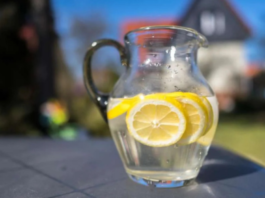
Water has a strange way of fooling us. When it looks clear, we assume it’s clean. But anyone who has ever opened an old pipe, cleaned a filter cartridge, or inspected a storage tank knows the truth is rarely that simple. Beneath the surface of seemingly harmless water, bacteria and biofilm can quietly grow and multiply. Over time, they can affect taste, safety, and even the efficiency of the entire treatment system.
That’s why proper maintenance and hygiene in water treatment systems is not just good practice—it’s essential. Whether in a home filtration setup, a commercial building, or an industrial facility, keeping equipment clean and functional is one of the most overlooked parts of water management.
And ironically, it’s often the simplest steps that make the biggest difference.
The Hidden World Inside Water Treatment Systems
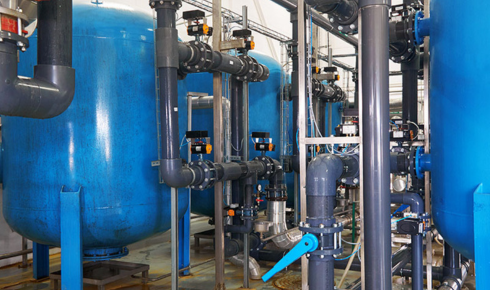
Take a moment to imagine what happens inside a water treatment unit. Water flows through filters, membranes, pipes, tanks, and sometimes ultraviolet sterilization chambers. Every surface that water touches becomes a potential environment for microbial growth.
Given the right conditions—warm temperatures, stagnant water, and organic particles—microorganisms can attach themselves to surfaces and begin forming colonies. Eventually they create what’s known as biofilm, a slimy layer that protects bacteria from external cleaning agents.
Once biofilm develops, it becomes far harder to remove. That’s why routine sanitizing water treatment equipment plays such a critical role in long-term system health.
Regular sanitation helps disrupt microbial growth before it becomes a problem. It keeps filters working efficiently, preserves water quality, and prevents the unpleasant surprises that sometimes appear when systems are neglected for too long.
Why Regular Sanitation Makes a Real Difference
Let’s be honest—most people think about water treatment only when something goes wrong. Maybe the water smells a little strange, maybe the pressure drops, or maybe someone notices a cloudy appearance in the tap.
But by that point, contamination may already be present.
Sanitation is preventive, not reactive. By cleaning tanks, flushing pipes, replacing filters, and disinfecting components at scheduled intervals, operators can eliminate harmful bacteria before they gain a foothold.
This approach protects more than just the water itself. It also protects the longevity of the system. Pumps last longer, membranes maintain performance, and filtration media remain effective.
In other words, a clean system isn’t just safer—it’s cheaper to maintain in the long run.
Small Signs That Something Might Be Wrong
Water systems rarely fail overnight. Instead, they send subtle warnings first.
Maybe there’s a slight metallic taste that wasn’t there before. Maybe the flow rate drops unexpectedly. Sometimes it’s as simple as a faint odor when the faucet is first turned on.
These little signals often indicate microbial growth or residue buildup somewhere in the system.
Ignoring them can lead to larger problems later—clogged filters, reduced purification efficiency, or contaminated storage tanks.
Routine maintenance, inspection, and water system sanitation can address these early signs before they escalate into more complicated repairs.
Common Areas That Need Attention
Not all parts of a water treatment system require the same level of care, but a few areas almost always deserve extra attention.
Filters, for instance, are constantly exposed to contaminants. Over time they collect sediment, organic matter, and sometimes bacteria. Without regular replacement or cleaning, they can become breeding grounds for microorganisms.
Storage tanks are another critical point. Even treated water can develop bacterial growth if it remains stagnant for extended periods.
Pipes and distribution lines shouldn’t be overlooked either. Biofilm can develop along internal pipe surfaces, slowly spreading through the system.
By systematically cleaning and disinfecting these components, water treatment professionals can maintain system integrity and consistent water quality.
A Balance Between Technology and Good Habits
Modern water treatment technology has come a long way. Reverse osmosis systems, UV sterilizers, carbon filtration, and advanced monitoring sensors now make it easier than ever to produce clean water.
But technology alone isn’t enough.
Even the most advanced equipment still relies on proper care and regular sanitation. Think of it like owning a car: the engine might be powerful, but if you never change the oil, trouble is inevitable.
The same idea applies to water systems.
Establishing a consistent maintenance schedule—combined with periodic sanitation procedures—helps ensure that equipment continues performing as intended. It’s a simple discipline that pays off year after year.
The Bigger Picture: Safe Water for Everyone
When people talk about clean water, the conversation often focuses on treatment plants, municipal supply, or filtration technology. Those things matter, of course.
But equally important is the quiet work of maintenance—the behind-the-scenes routines that keep systems hygienic and functional.
Sanitation, cleaning, and inspection may not sound glamorous, yet they form the backbone of reliable water treatment.
After all, safe water isn’t just about removing contaminants once. It’s about keeping systems clean so contamination doesn’t return.
And sometimes, the most powerful improvements come not from new equipment or expensive upgrades, but from a simple commitment to cleanliness and consistency.
Because at the end of the day, clear water should also be clean water. And ensuring that reality is worth the effort.