When it comes to emergency response, every second counts—and so does visibility. Emergency vehicles aren’t just moving pieces of equipment; they’re lifesaving tools that need to stand out on the road. A professional, well-designed wrap can make a world of difference, not only enhancing appearance but also improving safety. From reflective patterns to bold graphics, vehicle wraps are a critical component of emergency services today.
Designing with Purpose: Emergency Vehicle Graphics
The heart of a functional emergency wrap is emergency vehicle graphics. These graphics aren’t just about aesthetics—they convey authority, urgency, and recognition. Whether it’s police cars, ambulances, or fire trucks, clear and distinctive graphics allow other drivers to respond quickly, giving emergency personnel the critical time they need.
Good graphics balance visibility with clarity. Too much clutter can be confusing, while overly simplistic designs might not communicate urgency. Striking the right balance ensures the vehicle is instantly recognizable, improving both safety and response efficiency.
The Role of Reflective Chevron Patterns
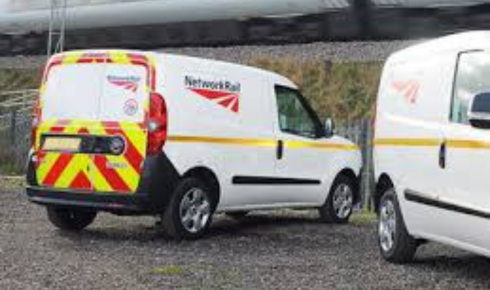
One of the most effective tools for enhancing visibility on emergency vehicles is the reflective chevron. These bold, angled patterns are typically applied to the rear of vehicles to catch headlights and streetlights, alerting drivers to the vehicle’s presence even in low-light conditions.
Reflective chevrons aren’t just a visual flourish—they’re a safety feature. When designed correctly, they reduce the risk of rear-end collisions and provide clear directional cues, which is particularly important for vehicles parked or stopped in active roadways.
Materials That Ensure High Visibility
Beyond design, the materials used in emergency wraps play a significant role in safety. Vinyl films with high-reflectivity and durability ensure the graphics remain bright and noticeable under all conditions. This contributes to high visibility, a key factor in preventing accidents and ensuring the safety of both responders and the public.
High-quality wraps resist fading, peeling, and weather damage, maintaining their impact over time. For vehicles operating 24/7 in all climates, this reliability is essential. Reflective materials that meet industry standards make sure the graphics function as intended, whether in daylight, rain, or complete darkness.
Customizing for Each Fleet
Every emergency service has unique requirements, from size and shape of vehicles to departmental branding. Custom wraps allow each unit to maintain consistency while meeting operational needs. Bold colors, department logos, and standardized patterns can be integrated with functional elements like reflective stripes, creating a cohesive and practical design.
Customization isn’t just about branding—it’s about effectiveness. The right combination of graphics, reflective patterns, and colors ensures that vehicles are both functional and recognizable, making a tangible difference in emergency response scenarios.
Installation: Precision and Expertise
Applying emergency wraps requires precision and experience. Improper installation can lead to bubbling, misalignment, or compromised reflectivity. Professionals carefully measure and apply each panel, ensuring smooth adhesion and optimal visibility.
Installation often involves layering reflective vinyl over base graphics and trimming around complex curves, handles, and equipment mounts. Attention to detail ensures that the wrap functions as intended, maintaining both aesthetic and safety standards.
Maintenance for Safety and Longevity
Maintaining an emergency wrap is essential for keeping it effective. Regular washing with mild soap, avoiding abrasive brushes, and inspecting edges for lifting ensures the graphics remain fully visible and reflective.
Well-maintained wraps continue to provide high visibility, even under harsh environmental conditions. Departments that invest in regular upkeep see longer-lasting performance, reducing the frequency of costly replacements and ensuring vehicles always meet safety standards.
Balancing Visibility and Branding
Emergency wraps serve two important purposes: safety and identity. While high visibility is critical, consistent branding helps the public identify the type of service and the specific agency. Graphics, colors, and reflective patterns should work together to make the vehicle unmistakable.
A well-designed wrap achieves this balance. Drivers recognize the vehicle quickly, responders are protected, and agencies maintain a professional, authoritative appearance on the road.
Upgrading for Modern Needs
As technology advances, emergency wraps are also evolving. Innovations in reflective materials, heat-resistant films, and UV-stable inks allow graphics to remain functional and vibrant longer. Upgrading older vehicles with modern wraps ensures ongoing safety compliance and improves operational effectiveness.
Investing in high-quality emergency wraps is a small cost compared to the safety benefits they provide. The combination of graphics, reflective chevrons, and durable materials makes vehicles safer for both crews and the public.
Final Thoughts: Safety, Style, and Function
Emergency vehicle wraps are far more than decorative—they’re a vital part of public safety. With strategic emergency vehicle graphics, well-placed reflective chevron patterns, and materials that ensure high visibility, responders can perform their jobs more safely and effectively.
From installation to maintenance, every step matters. Quality materials, expert application, and thoughtful design combine to create vehicles that are not only visually striking but also highly functional in critical situations. For agencies committed to safety and professionalism, investing in well-designed wraps is a decision that pays dividends for years to come.