Blog

  • What’s Really in Your Drinking Water? Understanding Chlorine, Minerals, and Water Quality

    What’s Really in Your Drinking Water? Understanding Chlorine, Minerals, and Water Quality

    We tend to trust water because it looks harmless. It’s clear, it has no obvious ingredients, and most of us have been drinking it since childhood. But water can contain a surprisingly wide range of naturally occurring minerals and treatment chemicals, and those differences can affect taste, smell, and even how water behaves around the home.

    That doesn’t mean ordinary drinking water is something to fear. Quite the opposite. Public water systems are treated for good reasons, and many water supplies are perfectly suitable for everyday use. Still, understanding what is actually in your water can help you decide whether additional filtration or treatment would be useful.

    Sometimes the best approach is simply knowing what you’re dealing with.

    Why Chlorine Is Used in Drinking Water

    Municipal water providers commonly use chlorine as a disinfectant. Its job is to control microorganisms as treated water travels through distribution pipes and eventually reaches homes and businesses.

    This is important because water may travel a considerable distance between a treatment facility and your kitchen faucet. Maintaining a disinfectant residual can help protect the water during that journey.

    The downside is familiar to many people: chlorine can affect taste and smell. Some households notice it immediately, especially when filling a glass or preparing tea and coffee.

    Activated carbon filtration is commonly used to reduce chlorine taste and odor. For many people, that alone can make tap water considerably more pleasant to drink.

    Not All Minerals Are the Enemy

    Water-treatment advertising sometimes makes minerals sound like something that should be completely removed. That’s a little too simplistic.

    Water naturally contains minerals, and some of them contribute to its taste and characteristics. Depending on the source, drinking water may contain healthy minerals such as calcium and magnesium.

    The amount varies widely, though. Some water is naturally mineral-rich, while other supplies contain very little dissolved mineral content.

    The important thing is understanding the difference between useful mineral content and substances that genuinely need to be reduced. Removing everything simply because it sounds “cleaner” isn’t always necessary.

    Calcium and Magnesium and Hard Water

    When people complain about hard water, they’re generally talking about elevated levels of calcium and magnesium.

    These minerals aren’t usually considered harmful at typical levels found in drinking water. The frustration comes from what they leave behind.

    Hard water can create white scale around faucets, showerheads, glassware, and appliances. Soap may also lather less effectively, which can make cleaning feel like more work than it should be.

    Over time, mineral deposits can accumulate in water heaters and other water-using equipment. That’s why households with significant hardness may consider a water softener or another treatment approach.

    Why Water Taste Can Change

    Have you ever visited another city and noticed that the water tastes completely different?

    That’s not your imagination. Water taste can be influenced by mineral composition, chlorine levels, temperature, dissolved gases, and even the pipes through which it travels.

    Some people prefer water with a noticeable mineral character. Others want something almost completely neutral.

    Neither preference is wrong. Taste is personal, and the “best” water is often the water you actually enjoy drinking.

    Filtration can change that experience significantly, especially when it reduces chlorine, sediment, or certain compounds responsible for unusual odors.

    Should You Remove All Minerals?

    Not necessarily.

    Technologies such as reverse osmosis can reduce many dissolved substances, including minerals. That’s useful when particular dissolved contaminants need to be reduced, but it can also produce water with a very low mineral content.

    Some homeowners like that taste. Others prefer to add minerals back through a remineralization stage.

    The right approach depends on your water source and what you’re trying to accomplish. If your water is already suitable and your only concern is taste, extensive treatment may be unnecessary.

    Water Testing Makes the Decision Easier

    Instead of guessing, test your water.

    A basic test can provide information about factors such as hardness, pH, chlorine, and other characteristics. More comprehensive testing can investigate specific contaminants when there is a reason for concern.

    This matters because water-treatment systems are designed for different purposes. A carbon filter isn’t a universal solution, and a reverse-osmosis system isn’t automatically necessary just because it is more advanced.

    Testing helps you spend money where it actually matters.

    What About Private Wells?

    Well water deserves special consideration because it doesn’t pass through the same municipal treatment process.

    Groundwater can contain minerals, metals, sediment, and microorganisms depending on the local geology and conditions surrounding the well. Heavy rain, flooding, construction, or changes in the groundwater environment can also influence quality.

    Private-well owners should follow appropriate local testing recommendations and investigate unusual changes in taste, smell, color, or appearance.

    A well that has been fine for years isn’t necessarily going to remain identical forever. Water is part of a changing natural system.

    Choosing Filtration Without Overdoing It

    When shopping for a water-treatment system, it’s easy to get distracted by long feature lists and impressive technical language.

    Instead, ask a few simple questions. What does the system remove? Is it independently tested or certified for those claims? How often do filters need replacing? What will maintenance cost over several years?

    If chlorine taste is your primary issue, carbon filtration may be sufficient. If hardness is causing scale, softening might be more appropriate. If specific dissolved substances are present, a more advanced treatment method may be worth considering.

    The solution should fit the problem.

    A Practical View of Better Drinking Water

    There’s no need to fear every mineral or chemical that appears on a water-quality report. Water chemistry is complicated, but making a sensible decision doesn’t have to be.

    Start by understanding your water source. Test it when appropriate. Pay attention to changes in taste, odor, staining, or scale. Then choose treatment based on actual needs rather than marketing pressure.

    Good water isn’t necessarily water with absolutely nothing in it. It’s water that’s appropriate for its intended use, properly treated when necessary, and maintained over time.

    And sometimes, that’s the most reassuring answer of all. You don’t need to chase perfection. You just need to know your water well enough to make a smart choice.

  • How Better Water Management Can Protect Your Plumbing and Equipment

    How Better Water Management Can Protect Your Plumbing and Equipment

    Water is something a business uses constantly, often without giving it much thought. It flows through kitchens, bathrooms, laundry areas, heating systems, and equipment, quietly supporting everyday operations. But when water quality isn’t ideal, the effects can slowly show up in places nobody wants to deal with—maintenance rooms, utility bills, and unexpected repair invoices.

    Hard water is a common example. Minerals such as calcium and magnesium can collect inside pipes and equipment over time. The buildup may not cause an obvious problem at first, but months of repeated exposure can make cleaning harder, reduce performance, and put additional pressure on water-dependent systems.

    Why Water Quality Matters in Commercial Buildings

    Commercial properties generally use much more water than ordinary homes. A restaurant may run dishwashers throughout the day, a hotel can have hundreds of fixtures, and an industrial facility might depend on water for specialized processes.

    Because usage is high, small water-quality problems can become larger operational concerns. Mineral deposits can form inside heaters, boilers, valves, and pipes. Sediment may also affect flow or collect in areas where water moves slowly.

    The first step is understanding the water itself. Testing can reveal hardness levels and other characteristics that may influence which treatment method makes sense for the property.

    How Hard Water Affects Plumbing

    One of the less obvious consequences of hard water is what happens inside the plumbing. Mineral deposits can gradually narrow the internal passage of pipes and affect water flow.

    You may not notice the change immediately. A small reduction in flow here and there isn’t exactly an emergency. But over time, restricted pipes can contribute to pressure issues and make certain fixtures work harder than they should.

    Scale can also form around faucets, valves, showerheads, and connections. Regular cleaning helps with visible deposits, but it doesn’t address buildup inside the plumbing itself. That’s where appropriate water treatment can become part of a property’s long-term maintenance strategy.

    Protecting Water-Using Equipment

    Commercial equipment can be expensive, and many machines rely on a steady supply of water to operate properly. Dishwashers, water heaters, laundry systems, boilers, and other appliances may all be affected by mineral-rich water.

    When deposits accumulate, equipment may need more energy or longer operating cycles to achieve the same result. In heating applications, scale can interfere with heat transfer, which can reduce performance.

    Protecting equipment isn’t simply about preventing breakdowns. It’s also about maintaining predictable operations. A machine that suddenly needs servicing can interrupt schedules, delay customers, and create extra work for staff.

    The Connection Between Scale and Efficiency

    Mineral buildup tends to happen gradually, which makes it easy to overlook. A system may continue running even when efficiency is slowly declining.

    For businesses, this can be particularly frustrating because the symptoms aren’t always obvious. Energy consumption might increase slightly. Cleaning may take longer. Equipment may need service more often. Individually, each issue seems minor.

    Together, however, they can become expensive.

    Reducing hardness where appropriate can help limit mineral scale and make water-dependent equipment easier to maintain. It won’t eliminate every possible maintenance problem, but it can address one common source of trouble.

    Choosing the Right Water Treatment

    There isn’t a single treatment method that’s right for every property. Some facilities may primarily need water softening, while others may require filtration for sediment, taste, odor, or specific dissolved substances.

    That’s why testing should come before equipment selection. Once the water characteristics are understood, businesses can choose technology that actually matches the problem.

    System size matters too. A small unit may struggle during periods of heavy demand, while an oversized system can cost more to purchase and operate than necessary.

    A properly sized system is generally the better starting point.

    Why Maintenance Still Matters

    Installing treatment equipment doesn’t mean maintenance can be forgotten. Filters need replacement, softening systems may require servicing, and valves and other components should be inspected according to the manufacturer’s recommendations.

    Commercial properties should keep basic maintenance records. Knowing when a filter was replaced or when a system was last serviced makes troubleshooting easier and helps prevent important tasks from slipping through the cracks.

    It’s not glamorous work, admittedly. But regular maintenance is often far less disruptive than emergency repairs.

    Improving Operating Efficiency Over Time

    Businesses are always looking for ways to reduce unnecessary expenses, and water management can be part of that effort. When water-dependent equipment operates under better conditions, there may be opportunities to improve operating efficiency.

    The exact results depend on the property, equipment, water chemistry, and treatment system. Still, reducing mineral-related problems can support more consistent equipment performance and potentially simplify maintenance.

    It’s important to look beyond the initial price of a treatment system. Consider installation, servicing, replacement materials, water consumption, energy use, and expected service life before making a decision.

    A Practical Approach for Long-Term Savings

    Good water management isn’t about buying the most expensive equipment available. It’s about understanding what your property needs and addressing those needs in a sensible way.

    Start with water testing. Review how much water the building uses and identify equipment that may be particularly sensitive to hardness or sediment. Then choose a treatment system that matches those conditions.

    For many businesses, the real benefit isn’t something dramatic that happens overnight. It’s fewer annoying maintenance problems, more predictable equipment performance, cleaner fixtures, and a better understanding of what is happening inside the building’s water system.

    Water may work quietly in the background, but it supports a huge part of daily business operations. Taking care of it properly is one of those small decisions that can pay off for years.

  • The Ultimate Guide to Safe Long-Distance Driving

    The Ultimate Guide to Safe Long-Distance Driving

    Nothing beats the feeling of going for a long road journey. Nonetheless, a long road journey also has its own challenges, such as fatigue, different climatic conditions, and many more. However, if you take the proper precautions and drive safely, you will be assured of having a fun and safe trip. The following are some helpful tips on how to travel safely on long distances.

    Prepare Your Vehicle Before You Leave

    Vehicle safety begins before you start the engine. According to driving advice from Kolkata call girls, spending a few moments checking your car’s condition can protect you from sudden issues and make your travel safer and more comfortable.

    The tire pressure and tread depth must be adequate; you must check whether there is the right amount of engine oil and coolant; and the brakes need to work perfectly. Your headlights, brake lights, and windshield wipers should all be checked.

    Another positive thing would be an emergency kit that would include things like a spare tire, jack, jumper cables, flashlight, first aid, and tools. It is always better to be prepared for any sort of issues on the roadside.

    Plan Your Route in Advance

    Even if GPS navigation makes it easy for us to travel, it is important to review your trip before starting it. Understand the major highways, other route possibilities, and places that may experience traffic problems. Checking the weather forecast would be useful to avoid any road problems.

    Before embarking on any journey, it is advisable to make prior arrangements for refueling, food, and relaxation stops, particularly if you will be passing through the countryside. Ensure that you have offline maps on your phone in case you lack mobile signal.

    Get Enough Rest Before Driving

    Driver fatigue is among the most common causes of road accidents while traveling on long journeys. Ensuring that you have an adequate night’s sleep before embarking on your trip will enhance your concentration, alertness, and decision-making. It is not advisable to begin your journey when you are tired.

    Staying alert during a trip is essential for safe driving. According to driving safety tips from Bangalore call girls, recognizing signs of exhaustion and taking timely breaks can improve concentration, reduce risks, and make the journey more comfortable.

    Take Regular Breaks During the Journey

    Even experienced drivers need regular breaks during long trips. Experts recommend stopping every two to three hours. Use this time to stretch, walk around, and relax your muscles. These short breaks improve blood circulation and alertness.

    Keep yourself well hydrated all throughout the journey and opt for some light and healthy snacks rather than heavy meals, which can make you feel sleepy. If there is another licensed driver with you during your trip, then shift driving responsibilities.

    Eliminate Distractions Behind the Wheel

    Distractors may easily change your enjoyable driving experience into a hazardous one. It is advised not to text, surf the Internet on your mobile, or adjust the navigation system while you are driving. You need to plan everything before hitting the road.

    If you are driving with passengers, let them help with navigation and other duties so that you can have both hands on the steering wheel and your entire focus on the road ahead.

    Follow Defensive Driving Practices

    Apart from adhering to traffic regulations, one needs to anticipate how other drivers will behave while driving. This means that one should drive at a safe following distance, stick to speed limits, and adjust speed in accordance with prevailing road conditions.

    Before switching lanes or turning, always provide proper signals to inform other drivers. Perspectives from Delhi call girls suggest that maintaining attention around busy areas, including pedestrian zones and construction sites, helps drivers handle unexpected situations safely.

    Aggressive driving should not be practiced. This includes tailgating and constant lane changes. The most important thing is that everyone inside the vehicle must use a seatbelt.

    Conclusion

    Taking an effective road trip requires preparation and safe driving practices. Risks can be minimized if you maintain your car in good condition, plan your journey, sleep well, take breaks, concentrate well, and drive defensively. Remember always that arriving at your destination safely is more important than arriving there quickly. Drive responsibly at all times and never lose concentration while driving.

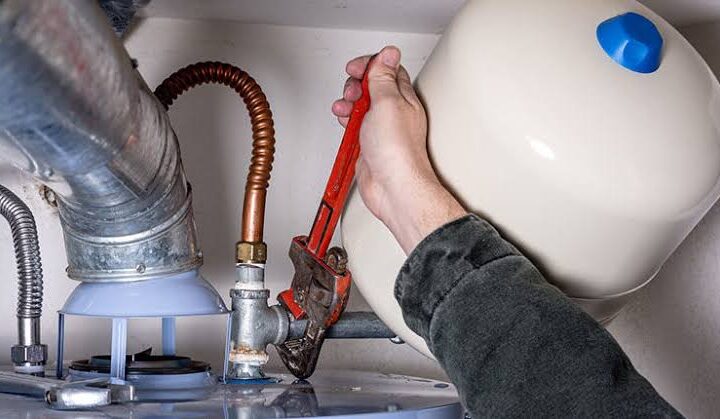
  • Choosing the Right Water Heating System for a Comfortable, Efficient Home

    Choosing the Right Water Heating System for a Comfortable, Efficient Home

    Why Your Water Heater Choice Matters More Than You Think

    Hot water is one of those everyday comforts we rarely think about until something goes wrong. A cold shower on a winter morning, a dishwasher that struggles to clean properly, or a family fighting over the last bit of hot water can quickly remind you how important your heating system really is.

    Choosing the right water heating system isn’t just about buying the biggest tank or the most expensive model. It’s about understanding your household needs, energy usage, available space, and long-term costs. The right choice can make your home more comfortable while helping you save money over time.

    Many homeowners simply replace their old unit with a similar one, but technology has changed. Modern systems offer better performance, smarter controls, and improved reliability compared to older models that quietly waste energy year after year.

    Understanding Different Types of Water Heaters

    Traditional tank water heaters have been a common choice for decades. They store and heat a set amount of water inside an insulated tank, making hot water available whenever needed. They are usually affordable upfront and work well for families with predictable water usage patterns.

    However, tank systems have limitations. Once the stored hot water runs out, you have to wait for the tank to refill and heat more water. Larger households may experience this issue frequently, especially during busy mornings when multiple people need showers, laundry, and kitchen hot water at the same time.

    Tankless water heaters take a different approach. Instead of storing hot water, they heat water only when it is needed. This means homeowners can enjoy endless hot water without worrying about running out during daily routines. For families with higher demand or limited space, this option can be a practical upgrade.

    Factors to Consider Before Making a Decision

    Before choosing a water heating system, it helps to look beyond the initial purchase price. A cheaper unit may cost more over time if it uses excessive energy or requires frequent repairs.

    The size of your household is one of the biggest factors. A small apartment with one or two residents has very different needs compared to a large family home. Water usage habits matter too. Someone who enjoys long showers will have different requirements than someone who prefers quick, efficient routines.

    The fuel source available in your home also plays a role. Electric, natural gas, and hybrid systems each have their own benefits. In some areas, electricity may be more convenient, while gas-powered models might provide faster heating performance.

    Installation requirements should not be ignored either. Some systems need upgraded electrical connections, new ventilation, or changes to existing plumbing. Consulting with a qualified professional can prevent expensive surprises later.

    Balancing Comfort and Long-Term Savings

    A modern water heating system should provide comfort without creating unnecessary expenses. This is where energy efficiency becomes an important consideration for homeowners. A highly efficient unit can reduce wasted energy, lower monthly utility bills, and provide better performance throughout its lifespan.

    Energy-efficient models often include improved insulation, advanced heating technology, and smart controls that help manage usage. Some systems can even learn household patterns and adjust operation accordingly.

    Although an efficient system may have a higher upfront price, the long-term savings can make the investment worthwhile. Think of it like replacing old windows or upgrading appliances. The benefits may not appear overnight, but they add up over months and years.

    Maintenance also affects efficiency. Even the best water heater can lose performance if it is neglected. Regular inspections, flushing sediment from tanks, checking connections, and replacing worn components can extend the life of your equipment.

    Matching Your System to Your Lifestyle

    Every household has a different rhythm. Some families need hot water early in the morning, while others use more during evenings. Some people prioritize saving space, while others focus mainly on reducing monthly bills.

    A tankless system may be ideal for homeowners who want a compact solution and continuous availability. A traditional tank model may still be the right choice for those looking for affordability and simplicity. Hybrid heat pump systems can be another option for people interested in maximizing savings through advanced technology.

    The key is finding a system that fits your actual lifestyle instead of choosing based only on popularity or price. A professional evaluation of your home can help determine the right capacity, installation method, and technology level.

    The Importance of Reliable Performance

    A water heater is not just another appliance sitting quietly in a corner of your home. It plays a major role in daily comfort. From cooking and cleaning to bathing and laundry, reliable hot water supports many essential activities.

    A well-selected system provides a consistent hot water supply that keeps household routines running smoothly. No one wants to schedule showers around an unreliable heater or worry about whether there will be enough hot water left after someone else uses it.

    Modern water heating options offer more flexibility than ever before. Whether you choose a tank, tankless, or energy-saving alternative, the goal should always be dependable performance combined with reasonable operating costs.

    Final Thoughts on Choosing Wisely

    Selecting a water heating system is a decision that affects your home for many years. It is worth taking the time to compare options, understand your needs, and consider both immediate costs and future savings.

    The perfect system is not necessarily the newest or most expensive one. It is the one that delivers the comfort your family expects while fitting your budget and lifestyle. With the right choice, hot water becomes something you simply enjoy — not something you have to think about.

  • Finding Confidence Behind the Wheel: Why the Right Driving Lessons Can Change Everything

    Finding Confidence Behind the Wheel: Why the Right Driving Lessons Can Change Everything

    Learning to drive is one of those life moments that seems simple from the outside but feels completely different when you’re sitting behind the wheel for the first time. The steering wheel feels unfamiliar, every sound from the car seems louder, and even a quiet street can suddenly feel like a complicated puzzle. For many new drivers, confidence doesn’t appear overnight. It grows slowly through patience, practice, and the right guidance.

    A good driving experience is not just about passing a test. It’s about developing awareness, responsibility, and the ability to make smart decisions when unexpected situations happen on the road. Whether someone is a teenager learning for the first time or an adult finally deciding to get a license, the quality of instruction can make a huge difference.

    Building Skills Beyond Just Passing the Driving Test

    Many people begin driving lessons with one goal: getting their license. While that achievement matters, the real purpose of learning is much bigger. A license gives permission to drive, but proper training creates a safe driver.

    Professional instructors focus on practical skills such as vehicle control, road awareness, parking techniques, lane changes, and handling different traffic conditions. These lessons help students understand not only what to do, but why they are doing it.

    For beginners, private driving lessons can offer a more comfortable learning environment because the instructor’s attention is fully focused on one student. Some learners feel nervous when others are watching them make mistakes. Having personal guidance allows them to ask questions freely, repeat difficult skills, and improve at a pace that feels manageable.

    The Importance of Learning at Your Own Pace

    Everyone learns differently. Some students quickly understand road signs and vehicle controls, while others need extra time to build coordination and confidence. There is no single timeline that works for every driver.

    A patient instructor recognizes these differences and adjusts the teaching approach accordingly. Rushing a nervous learner can create fear, while too little challenge can slow progress. The balance comes from encouragement, repetition, and honest feedback.

    Driving is also a skill that combines mental focus with physical actions. A student must remember rules, observe surroundings, judge distances, and react quickly. It’s a lot to process at first. With consistent practice, these tasks gradually become natural.

    Developing Safer Habits Through Proper Training

    A responsible driver does more than control a vehicle. They understand how their actions affect everyone around them. This is where safety-focused education becomes extremely valuable.

    Modern driving programs often include defensive driving, which teaches motorists how to anticipate potential hazards instead of simply reacting after something goes wrong. Defensive drivers learn to maintain safe distances, watch for risky behavior from other road users, and stay calm during stressful situations.

    These habits are especially important because many accidents happen due to poor decisions rather than a lack of technical driving ability. A driver who understands patience and awareness is better prepared for real-world conditions, from busy highways to crowded parking areas.

    Supporting Learners Who Need Additional Assistance

    Not every student approaches driving with the same challenges. Some may struggle with concentration, processing information quickly, or managing anxiety while learning. This doesn’t mean they cannot become capable drivers. It simply means the teaching method may need to be adjusted.

    For someone with a learning disability, customized instruction and extra patience can create a much better learning experience. Instructors who understand different learning styles can use clearer explanations, additional demonstrations, and repeated practice to help students succeed.

    The goal should always be independence and confidence. A supportive learning environment allows students to focus on improvement instead of feeling pressured by comparison.

    Choosing the Right Driving Instructor Matters

    The relationship between a student and instructor plays a major role in the learning process. A skilled instructor does more than explain driving rules; they build trust. When students feel comfortable making mistakes, they learn faster.

    Before choosing a driving school or instructor, it helps to consider experience, teaching style, reviews, and flexibility. A good instructor should be calm, professional, and willing to explain things in different ways when needed.

    It’s also worth remembering that the cheapest option is not always the best option. Quality training can prevent bad habits that are difficult to correct later. Investing time in proper instruction often saves frustration and creates safer driving behavior for years.

    Confidence Comes From Practice and Experience

    Driving confidence is built through small victories. The first successful lane change, the first independent drive, or the first time navigating busy traffic can feel like major accomplishments. These moments remind learners that progress is happening.

    Even after receiving a license, new drivers continue learning. Every journey brings new situations, weather conditions, and challenges. Experienced drivers are not people who never make mistakes; they are people who continue improving and learning from every experience.

    The road can feel intimidating at the beginning, but with the right support, it becomes a place of freedom and opportunity. Good driving education creates more than licensed drivers — it creates thoughtful, responsible people who understand the value of safety.

    Choosing patient instruction, practicing consistently, and staying open to learning can transform driving from a stressful challenge into a skill that brings confidence for a lifetime.

  • When Your Water Doesn’t Feel Right: Understanding Common Household Water Problems

    When Your Water Doesn’t Feel Right: Understanding Common Household Water Problems

    Water is one of those everyday essentials that quietly supports nearly everything we do. It brews the morning coffee, fills the kettle for tea, washes vegetables for dinner, keeps the washing machine running, and gives us a chance to relax under a warm shower after a long day. Because it’s always there, we rarely stop to question it—until something changes.

    Maybe your tap water suddenly has a strange odor. Your sink begins showing reddish stains that weren’t there a few months ago. Perhaps your drinking water carries a noticeable aftertaste that makes you reach for bottled water instead. None of these issues necessarily point to a major emergency, but they’re often signs that your home’s water deserves a closer look.

    The encouraging news is that many household water issues are both identifiable and treatable. Understanding what causes them is the first step toward finding a solution that actually works.

    Your Water Leaves Clues Every Day

    Water has a subtle way of communicating.

    Sometimes it’s through cloudy glasses after the dishwasher finishes. Other times it’s a metallic taste, unusual odor, soap that doesn’t rinse properly, or discoloration around bathroom fixtures. We often adapt to these changes without realizing how much they’ve become part of everyday life.

    The problem with adapting is that we stop asking why.

    Water quality can change over time because of seasonal conditions, aging plumbing, municipal treatment adjustments, or naturally occurring minerals found underground. Even homes on the same street can experience different water characteristics depending on plumbing materials and water sources.

    Paying attention to those small clues often prevents much larger frustrations later.

    Why Mineral Content Matters

    Water naturally absorbs minerals as it travels through soil and underground rock formations before reaching homes.

    Calcium and magnesium are among the most common, contributing to hard water that leaves scale behind on fixtures and appliances. Other minerals, however, can create entirely different concerns.

    Some influence taste. Others affect appearance, odor, or the lifespan of household plumbing.

    The key is recognizing that not all water issues have the same cause. What works for one home may be completely ineffective for another.

    That’s why testing usually provides a much better starting point than relying on assumptions.

    Recognizing Problems Caused by iron and rust

    One of the most common complaints among homeowners—especially those using private wells—is discoloration caused by iron and rust.

    You may notice reddish-orange stains inside toilets, sinks, bathtubs, or around outdoor faucets. White laundry can gradually develop yellow or brown tints, and fixtures often require more frequent cleaning to maintain their appearance.

    Iron itself isn’t always considered a serious health concern at typical household levels, but it certainly affects daily living.

    Beyond cosmetic staining, excessive iron can leave a metallic taste in drinking water and gradually accumulate inside plumbing fixtures or water-using appliances.

    Professional testing helps determine iron concentrations and identify treatment options suited to the home’s specific water conditions.

    Why Some Water Develops Unpleasant Odors

    Few things make homeowners question their water faster than an unusual smell.

    Water that carries a rotten egg odor often contains naturally occurring hydrogen sulfide gas, particularly in private well systems. In other situations, organic matter, bacteria, or interactions within plumbing systems may contribute to unpleasant smells.

    Many people simply describe the issue as smelly water, but the actual cause can vary considerably.

    The important thing is avoiding guesswork.

    Different odor sources require different treatment methods. Identifying the underlying cause ensures homeowners invest in equipment that actually solves the problem instead of temporarily masking it.

    Municipal Water Has Its Own Challenges

    City water generally undergoes extensive treatment before reaching homes, helping reduce harmful microorganisms and improve overall safety.

    That process, however, sometimes leaves behind noticeable tastes or odors.

    Many homeowners are familiar with chlorine taste and smell, particularly after seasonal treatment adjustments or maintenance within municipal water systems.

    While chlorine plays an important role in disinfecting drinking water, some families simply prefer water with a fresher taste and less noticeable odor for drinking, cooking, coffee, and tea.

    Activated carbon filtration is commonly used to reduce these characteristics while maintaining convenient access to treated household water.

    Why Water Testing Is Worth It

    It’s tempting to diagnose water problems based on appearance or smell alone.

    Unfortunately, water doesn’t always reveal everything that’s happening beneath the surface.

    Crystal-clear water may still contain elevated mineral levels. Water that tastes perfectly normal could have hardness issues affecting appliances, while unusual odors don’t always indicate serious contamination.

    Professional water testing removes uncertainty by measuring important characteristics such as hardness, pH balance, dissolved minerals, chlorine levels, iron, sulfur, sediment, and other factors relevant to the home’s water source.

    Once homeowners understand what’s actually present, selecting effective treatment becomes much easier.

    Every Home Requires a Different Approach

    One of the biggest misconceptions about water treatment is that every home needs identical equipment.

    That’s rarely the case.

    A family dealing primarily with hard water has very different needs from someone managing sulfur odors or elevated iron levels in a private well. Another homeowner may simply want better-tasting drinking water while protecting expensive appliances from mineral buildup.

    Matching treatment systems to actual water conditions produces far better long-term results than purchasing generic equipment without testing.

    Personalized recommendations typically improve efficiency while reducing unnecessary maintenance and operating costs.

    Better Water Improves Everyday Living

    Most homeowners notice small improvements first.

    Soap lathers more easily. Coffee tastes cleaner. Bathroom fixtures remain brighter longer, while dishes emerge from the dishwasher with fewer spots. Laundry often feels fresher, and routine cleaning requires less effort.

    Behind the scenes, plumbing systems and household appliances also benefit from cleaner, better-conditioned water.

    Water heaters operate more efficiently, mineral deposits accumulate more slowly, and expensive equipment experiences less unnecessary wear over time.

    These quiet improvements gradually create a home that’s easier to maintain and more enjoyable to live in.

    Better Water Starts with Better Understanding

    Water doesn’t have to be perfect to improve daily life—it simply needs to match the needs of your home.

    Whether you’re dealing with unusual odors, stubborn stains, unpleasant tastes, or visible mineral deposits, taking the time to understand your water is one of the smartest investments you can make as a homeowner.

    Instead of treating symptoms one at a time, identifying the underlying cause allows you to solve problems where they actually begin.

    The result isn’t just cleaner water. It’s a home that functions more efficiently, appliances that last longer, and everyday routines that become just a little simpler.

    Sometimes the smallest improvements are the ones you appreciate the most—and better water has a remarkable way of proving that every single day.

  • Self-Drive Cars and Bike Rentals in Goa: The Best Way to Explore the Sunshine State

    Self-Drive Cars and Bike Rentals in Goa: The Best Way to Explore the Sunshine State

    Experience Goa with Complete Freedom

    Goa is one of India’s most loved travel destinations, attracting visitors with its scenic beaches, lively nightlife, heritage sites, and vibrant culture. To make the most of your trip, having your own mode of transportation is essential. Rental vehicles provide travelers with the flexibility to explore hidden gems, travel comfortably, and create personalized itineraries without depending on public transport or expensive taxi services.

    Discover Goa at Your Own Pace

    Choosing self drive cars in goa is an excellent option for travelers who value independence and convenience. Self-drive vehicles allow you to explore famous attractions such as Baga Beach, Calangute, Fort Aguada, and Dudhsagar Falls according to your own schedule. Rental companies offer a wide range of cars, including hatchbacks, sedans, SUVs, and premium vehicles to suit different budgets and travel requirements. Whether you are visiting with family or friends, self-drive cars ensure a comfortable and enjoyable travel experience.

    Easy and Affordable Bike Rentals

    If you enjoy riding through coastal roads and narrow village lanes, bike hire in panjim goa is the perfect transportation choice. Bikes are affordable, fuel-efficient, and ideal for solo travelers or couples looking to experience Goa like a local. Renting a scooter or motorcycle makes it easy to navigate crowded streets, reach secluded beaches, and explore local markets without worrying about parking. Most rental providers offer flexible hourly, daily, and weekly packages to meet different travel needs.

    Comfortable Travel with Self-Drive Cars

    For visitors seeking privacy and flexibility, goa car rental self drive services provide a practical solution. Unlike chauffeur-driven vehicles, self-drive rentals give travelers complete control over their journey. You can stop wherever you like, spend more time at your favorite destinations, and travel comfortably without following fixed schedules. Online booking platforms make it easy to compare prices, select vehicles, and reserve your preferred car before arriving in Goa, making your vacation stress-free from the very beginning.

    Convenient Vehicle Rental Options

    Travelers looking for multiple transportation choices can benefit from vehicle hire in goa which includes bikes, scooters, hatchbacks, luxury cars, SUVs, and even vans for larger groups. This flexibility allows tourists to select the perfect vehicle based on their budget, group size, and travel plans. Whether you need a compact scooter for city rides or a spacious SUV for a family road trip, rental companies provide well-maintained vehicles equipped for safe and comfortable journeys.

    Advantages of Renting a Vehicle in Goa

    Renting a vehicle offers several benefits beyond convenience. It helps travelers save time, avoid waiting for taxis, and explore offbeat destinations that are difficult to reach using public transportation. Rental services also eliminate the responsibilities associated with vehicle ownership, such as maintenance, insurance, and servicing. Many providers offer roadside assistance, transparent pricing, and flexible pickup and drop-off locations, ensuring a smooth customer experience throughout the rental period.

    Digital booking platforms have simplified the entire process by allowing customers to browse vehicle options, compare rates, upload documents, and confirm reservations within minutes. This makes renting a vehicle both quick and hassle-free.

    Tips for Choosing the Right Rental Service

    Before finalizing your booking, compare rental prices, review customer feedback, and carefully read the rental agreement. Check the vehicle for any existing damage before taking possession and understand the fuel policy, security deposit, and insurance coverage. Always carry a valid driving license and identification documents to avoid delays during the pickup process.

    Booking your vehicle in advance is especially recommended during Goa’s peak tourist season, as demand for rental vehicles increases significantly.

    Conclusion

    Goa is best explored with the freedom that comes from having your own transportation. Whether you prefer riding along scenic coastal roads on a bike or traveling comfortably with family in a self-drive car, rental services provide a flexible, affordable, and convenient solution. With a wide range of vehicles, transparent pricing, and simple booking procedures, renting a vehicle allows you to enjoy every corner of Goa without restrictions. By selecting a trusted rental provider and planning ahead, you can experience a smooth, memorable, and enjoyable vacation from start to finish.

    If you’d like, I can also create a version with higher keyword density optimized for ranking on competitive search terms while keeping it natural and readable.

  • The Comfort of a Home That Stays Cool When It Matters Most

    The Comfort of a Home That Stays Cool When It Matters Most

    There are few household comforts people appreciate more than steady indoor cooling on a hot, heavy afternoon. You walk in from the heat, close the door behind you, and feel that first wave of cool air. It’s simple, but it changes the whole mood of a home.

    Of course, air conditioning is one of those systems most people ignore until something goes wrong. The rooms feel sticky. The unit runs longer than usual. The air coming out of the vents feels weak. Or worse, the system quits during the hottest part of the day. That’s when comfort suddenly feels less like a luxury and more like a necessity.

    Why Cooling Problems Shouldn’t Be Ignored

    Small AC problems often start quietly. A little noise here, a warmer room there, a higher energy bill that doesn’t make much sense. It’s easy to shrug these things off, especially when the system is still technically working.

    But small issues can put extra strain on the equipment. Dirty filters, low refrigerant, worn parts, blocked airflow, or electrical problems may not shut the system down immediately, but they can reduce efficiency and shorten its life. Getting help early usually costs less than waiting for a full breakdown.

    The Real Value of Professional Cooling Care

    Good air conditioning services are not only about fixing a broken unit. They help keep the system clean, efficient, and properly balanced. A technician may inspect coils, filters, refrigerant levels, wiring, thermostat settings, drainage, and airflow to understand how the whole system is performing.

    This kind of care matters because cooling systems work hard. During warm months, they may run for hours every day. Without proper attention, even a strong system can slowly become less reliable.

    Repairs and Maintenance Go Hand in Hand

    A strange sound or weak airflow might seem like a simple repair, and sometimes it is. But the best service looks at why the problem happened in the first place. That is where HVAC repair and maintenance becomes important for homeowners who want dependable comfort instead of repeated service calls.

    Routine maintenance can catch worn parts before they fail. It can also improve airflow, reduce energy waste, and help the system cool more evenly. Repairs solve immediate problems, while maintenance helps prevent the next one.

    When Replacement Becomes the Smarter Choice

    No HVAC system lasts forever. At some point, repairs may become too frequent, energy bills may rise, or the system may struggle to cool the home properly. In those cases, HVAC installation and replacement may be more practical than continuing to patch an aging unit.

    A new system should be selected carefully. Bigger is not always better. If the unit is too large, it may cycle on and off too often. If it is too small, it may run constantly and still leave rooms uncomfortable. Proper sizing, ductwork evaluation, and installation quality all affect performance.

    Comfort Is About More Than Temperature

    A good cooling system does more than lower the number on the thermostat. It helps manage humidity, airflow, and indoor comfort throughout the home. If one room feels freezing while another stays warm, the problem may involve ductwork, insulation, vents, or system balance.

    That’s why a proper inspection should look beyond the outdoor unit. The entire home plays a role in comfort. Windows, attic insulation, duct leaks, thermostat placement, and even furniture blocking vents can affect how well the system works.

    Energy Bills Can Tell a Story

    If your energy bill climbs without a clear reason, your HVAC system may be working harder than it should. Dirty coils, clogged filters, duct leaks, aging motors, or incorrect refrigerant levels can all reduce efficiency.

    Sometimes homeowners get used to high bills and assume they are normal. But a system that runs constantly and still struggles to cool the home deserves attention. A tune-up or repair may help, and in some cases, replacement may offer better long-term savings.

    Maintenance Is Easier Than Emergency Repair

    Nobody wants to think about HVAC maintenance when the system seems fine. Still, the best time to check an AC unit is before it fails. Seasonal maintenance gives technicians a chance to clean components, tighten connections, check performance, and spot small problems early.

    It’s a bit like servicing a car. You don’t wait for the engine to quit before changing the oil. The same logic applies to heating and cooling equipment. Regular care helps the system do its job without unnecessary strain.

    Choosing the Right HVAC Professional

    Homeowners should feel comfortable asking questions. What caused the issue? Is repair enough? How old is the system? Are there efficiency concerns? Would replacement make sense now, or can the unit safely run longer?

    A good HVAC professional explains things clearly and does not rush the decision. They should offer honest options, not pressure. Clear estimates, practical advice, and proper testing after the work are signs of a reliable service provider.

    Final Thoughts

    A dependable HVAC system makes daily life easier. It keeps bedrooms comfortable at night, helps the house feel fresh during hot afternoons, and gives families one less thing to worry about.

    Whether the system needs a small repair, seasonal maintenance, or a full replacement, the goal is the same: steady comfort, better efficiency, and fewer surprise breakdowns. Cooling may happen quietly in the background, but when it works well, the whole home feels better.

  • How Contemporary Fusion Fashion Is Redefining the Modern Dress for Women Today

    How Contemporary Fusion Fashion Is Redefining the Modern Dress for Women Today

    Fashion today is no longer about choosing between traditional and Western styles. Modern women are embracing a balanced approach that combines elegance, comfort, and individuality. This shift has given rise to contemporary fusion fashion, a style movement that blends cultural influences with modern silhouettes. From flowing layers to structured cuts, today’s wardrobe celebrates versatility while allowing women to express their unique personalities.

    The Rise of Fusion Fashion

    Fusion fashion has become a preferred choice for women who want clothing that feels stylish yet effortless. It brings together elements from different fashion traditions and transforms them into wearable pieces suitable for work, social gatherings, vacations, and casual outings.

    A thoughtfully designed dress for women now goes beyond seasonal trends. It focuses on adaptability, allowing the same outfit to be styled in multiple ways. Contemporary designs often feature clean lines, subtle details, and comfortable fabrics that work across various occasions.

    Why Modern Women Prefer Versatile Dresses

    One of the biggest reasons behind the popularity of fusion wear is its versatility. Women today lead dynamic lifestyles and need outfits that can transition seamlessly from day to evening.

    A well-crafted dress for women can be paired with sneakers for a relaxed daytime look or elevated with statement accessories for an evening event. This flexibility makes contemporary dresses a practical investment while maintaining a polished appearance.

    The Enduring Appeal of Maxi Dresses

    Few silhouettes offer the effortless elegance of a maxi dress for women. Known for its flowing shape and graceful movement, the maxi dress has become a wardrobe essential for modern dressing.

    A maxi dress for women works beautifully for brunches, vacations, festive gatherings, and even semi-formal occasions. Contemporary versions often incorporate artistic prints, layered textures, and fusion-inspired detailing that add sophistication without appearing overly traditional.

    Another advantage is comfort. The relaxed structure allows freedom of movement while creating a refined and flattering appearance. For women seeking a balance between style and practicality, a maxi dress for women remains one of the most reliable choices.

    Midi Dresses and Everyday Sophistication

    Among the most versatile pieces in contemporary fashion, midi dresses continue to gain popularity. Falling between the knee and ankle, midi lengths offer a polished silhouette suitable for various settings.

    Midi dresses are particularly appealing because they provide the perfect balance between casual and formal dressing. They can be worn at work, during weekend outings, or at intimate celebrations. Their adaptable nature makes them an essential component of a modern wardrobe.

    Designers are increasingly experimenting with asymmetric hems, layered panels, and contemporary prints, giving midi dresses a fresh and fashion-forward appeal.

    Discovering Modern Fusion Fashion

    A thoughtfully curated contemporary fashion destination can help women build a wardrobe that blends comfort, sophistication, and versatility. Collections that focus on modern silhouettes, elevated details, and fusion-inspired aesthetics make it easier to find pieces that suit different occasions while maintaining a distinctive sense of style. Whether exploring a flowing maxi design or refined midi options, a trusted women’s fashion brand can offer timeless pieces designed for today’s confident and fashion-conscious woman.

  • Railway Connectors: What Rolling Stock and Signalling Systems Demand from Interconnection Hardware

    Railway Connectors: What Rolling Stock and Signalling Systems Demand from Interconnection Hardware

    A modern locomotive or metro coach is, in electrical terms, a rolling factory. Traction converters, brake controllers, door systems, air conditioning, passenger information displays and dozens of sensors all depend on cabling that must work every single day for thirty years or more. The interconnection hardware holding this network together operates in one of the harshest environments in all of engineering, and the consequences of failure range from service delays to genuine safety incidents. Understanding what railways demand from connectors helps every supplier and system integrator working in this fast-growing sector.

    Why the Rail Environment Is So Demanding

    Consider what a connector mounted on a bogie or underframe experiences. Continuous broadband vibration is punctuated by shock loads from rail joints and points. Temperatures swing from freezing winter nights in the north to well above fifty degrees Celsius near traction equipment in summer. Dust, brake particles, moisture and cleaning chemicals attack every exposed surface. Above all this sits the electromagnetic environment of a 25 kV AC catenary, which induces interference that poorly shielded interconnects pass straight into sensitive electronics. A connector that performs admirably in a climate-controlled panel room may not last a season under a coach.

    Fire Safety Changed the Rules

    Over the past decade, fire safety requirements have reshaped material selection across the rail industry. The European standard EN 45545-2, now widely referenced by Indian rolling stock programmes, sets strict limits on flammability, smoke density and toxicity for materials used in vehicles, with hazard levels HL2 and HL3 applying to the most demanding operating categories. For connectors, this means conventional insulating materials must give way to halogen-free, flame retardant compounds that have been tested and qualified to the standard. Specifiers should ask suppliers for qualification evidence rather than accepting datasheet claims, because certification to these hazard levels involves rigorous third-party testing.

    Where Connectors Work Hardest on a Train

    The applications for railway connectors span the entire vehicle. Power circuits between traction converters and motors carry high currents through large contacts. Brake and door systems demand absolute reliability because they are safety functions. Coach lighting, HVAC and passenger information systems involve dense multi-pin signal connections. Inter-vehicle jumpers face the additional insult of constant relative movement between coaches. Trackside, signalling and point machine installations need connectors that seal against monsoon flooding while remaining serviceable by maintenance gangs at night with basic tools. Each of these niches favours circular multipin constructions with positive locking coupling, certified ingress protection and robust strain relief.

    Approvals Are Not Bureaucracy, They Are the Product

    In the railway business, approvals are inseparable from the hardware itself. In India, the Research Design and Standards Organisation, RDSO, evaluates and approves suppliers for specific product categories, and production units such as Chittaranjan Locomotive Works maintain their own approved source lists. A connector without the relevant approval simply cannot be fitted, regardless of its technical merit. For buyers, an approved supplier represents years of documentation, testing and audit history. For manufacturers, maintaining approvals demands sustained investment in quality systems, which is precisely why the approval is a meaningful signal.

    From Loose Connectors to Complete Harnesses

    Rolling stock builders are increasingly buying tested subassemblies rather than components. A pre-terminated cable harness assembly, built with qualified connectors, correct crimp tooling and one hundred percent electrical testing, arrives at the coach line ready to install. This approach removes termination errors from the assembly hall, shortens build time and creates a single point of accountability for the entire interconnect. When the harness maker is also the connector manufacturer, issues of tolerance, accessory compatibility and traceability largely disappear, because one engineering team controls the whole chain from raw contact to finished loom.

    Serviceability deserves equal weight in the specification. Rolling stock is maintained at night, in depots, on tight schedules, and often by staff working with basic hand tools. Connectors with crimp contacts and rear-release retention allow a faulty circuit to be repaired at the depot in minutes, while keyed shells and clear identification prevent mis-mating during reassembly. These small design decisions, made years earlier at a drawing board, decide whether a rake returns to service by morning.

    The Opportunity in India

    Indian railways are in the middle of an extraordinary expansion: new Vande Bharat trainsets, dedicated freight corridors, metro networks in more than twenty cities and an ambitious electrification programme. Policy strongly favours domestic content, and this has matured a genuine local supplier base. Established circular connector manufacturers in India, including Mumbai-based Allied Electronics Corporation, which has supplied Indian Railways as an RDSO-approved source, now offer qualified products with the local engineering support and short lead times that imported alternatives cannot match. For system integrators bidding on rail projects, building relationships with such suppliers early in the design phase is a practical competitive advantage.

    Conclusion

    Railway interconnection is a discipline of its own, where vibration, fire safety and formal approvals matter as much as electrical ratings. Whether you are designing a propulsion package, a signalling cabinet or a complete coach, treat the connector and harness specification as a first-class engineering task. Engage an approved manufacturer early, verify qualification evidence, and consider procuring tested harness assemblies rather than loose parts. The trains being built today will still be running in 2055, and the interconnects chosen now will travel with them.

    Hyperlink Summary