Upgrading your home is one of the best ways to improve both comfort and value. Small changes can make a big difference in how your space feels and functions. Many homeowners believe that big renovations are necessary, but often simple updates bring long-lasting results.
Whether you want to refresh the look, add more efficiency, or increase value before selling, there are smart ways to achieve it. A home should not only look good but also make everyday life easier, and a few focused upgrades can make that possible.
Refreshing Your Walls with Paint
A fresh coat of paint can completely transform the atmosphere of a room. Light colors can make a small space feel bigger, while darker shades can create a cozy and warm environment. Choosing the right paint is not just about looks; it also helps protect the walls from wear and tear.
Many modern paints are made with washable finishes, which makes it easier to clean stains and keep the walls looking new.
Adding Modern Window Shades
Windows are one of the most important features of a home, and updating them with stylish window shades can improve both design and comfort. Window shades help control the amount of light that enters a room, giving you privacy when you need it and brightness when you want it.
They also improve energy efficiency by reducing heat in the summer and keeping warmth inside during winter. Modern window shades come in many designs and fabrics, so you can easily find options that match your décor.
Consider Seamless Gutter Installation for Better Protection
One of the most overlooked home improvements is seamless gutter installation. Traditional gutters often collect leaves and debris, which leads to clogging and water damage around the foundation. Seamless gutters are designed without joints, which means they are less likely to leak and require less maintenance.
They guide rainwater away from the house more effectively, protecting your roof, siding, and basement. Investing in seamless gutter installation may not seem like a visible upgrade, but it adds long-term value by preventing costly repairs.
Updating Flooring for a Fresh Look
Floors go through daily wear and can quickly make a home look old if not updated. Installing new flooring, whether it is hardwood, laminate, or vinyl, brings instant freshness to your space. Hardwood floors add warmth and elegance, while vinyl and laminate provide durable and affordable alternatives.
Even adding new rugs over old flooring can give a softer, more inviting feel to any room. With so many modern options available, updating flooring has become easier and more budget-friendly than ever before.
Improving Outdoor Spaces
An often-forgotten area of home improvement is the outdoors. A simple upgrade to the garden, patio, or deck can extend your living space and make it more enjoyable. Adding plants, outdoor lighting, or comfortable seating areas turns your yard into a place where you can relax or entertain guests.
Outdoor spaces not only improve your quality of life but also increase the overall value of your home.
Conclusion
Home upgrades do not always require huge budgets or months of work. Simple improvements such as painting walls, adding window shades, installing seamless gutters, updating flooring, and enhancing outdoor areas can completely change how your home feels and functions.
These steps bring both beauty and practicality, creating a space that you enjoy every day. By focusing on these essential tips, homeowners can achieve long-lasting improvements that make their homes more comfortable, efficient, and valuable.
Your garage door is one of the most important parts of your home. It protects your car, keeps your belongings safe, and even adds to your home’s overall look. But when it breaks down or doesn’t work right, it can be a big problem.
While it might be tempting to try fixing it yourself, hiring a professional is often the smartest choice. In this article, we’ll go over five good reasons why you should call a professional when your garage door needs repairs.
1. Safety Comes First
Garage doors are very heavy and have many moving parts. Springs, cables, and rollers are under a lot of tension and can be dangerous if not handled properly. Many people have been hurt while trying to fix garage doors themselves.
A trained professional knows how to work safely. They have the right tools and experience to fix the door without risking injury. It’s always better to stay safe and let an expert handle the job.
2. Saves You Time and Stress
Trying to figure out what’s wrong with residential garage doors can take a lot of time, especially if you don’t know much about how they work. You might spend hours watching videos or reading guides, and still not be sure what the problem is.
A professional can quickly find the issue and fix it. This means you don’t have to waste your weekend or feel stressed out. They do the work so you can relax.
3. They Get the Job Done Right
When you hire someone with experience, you can trust that the job will be done properly. Professionals have worked on many different types of garage doors and have seen all kinds of problems. They know what parts to use, how to install them, and make sure everything works smoothly.
If you try to fix it yourself and something goes wrong, you might end up making the problem worse. Then you’ll have to pay even more to get it fixed correctly.
4. Prevents Future Problems
A good garage door repair expert won’t just fix the problem—they’ll also check for other issues that might cause trouble later. For example, they might notice a worn-out cable or a weak spring that could break soon.
By catching these problems early, you can avoid bigger repairs down the road. This can save you money in the long run and keep your garage door working well for years to come.
5. Protects Your Home’s Value
Your garage door is one of the first things people see when they look at your house. A broken or noisy door can make your home look uncared for. If you’re planning to sell your house in the future, a well-maintained garage door can help make a good first impression.
Even if you’re not selling soon, keeping everything in good shape helps keep your home looking nice and working properly.
Conclusion
While fixing a garage door yourself might seem like a way to save money, it can actually lead to more problems, stress, and even danger. Hiring a professional is the safer, smarter, and more reliable option. From keeping your family safe to making sure your door works the right way, there are many good reasons to call in an expert.
The next time your garage door isn’t working right, think twice before grabbing your toolbox—and consider letting a pro handle it.
Improving your home doesn’t always mean spending a lot of money. Sometimes, small changes can make a big difference in how your home looks and feels. A better living space helps you feel more relaxed, happy, and even healthier.
Whether you’re fixing things up or adding something new, here are five simple but important tips to make your home a more enjoyable place to live.
1. Keep Your Home Clean and Clutter-Free
One of the easiest ways to improve your home is to keep it clean and free of clutter. When things are organized, your space feels more open and welcoming. Try to put things back where they belong after you use them. You can also donate or throw away things you no longer need.
Having less clutter makes it easier to clean, helps you focus better, and makes your home look nicer without spending any money.
2. Add Fresh Paint to Brighten Up Your Rooms
Painting your walls can change the whole look of a room. Choose light and soft colors like white, light blue, or soft gray to make a space feel bigger and brighter. A fresh coat of paint can also make an old room feel brand new.
If you don’t want to paint the entire house, start with one room at a time. It’s a simple project that can be done over a weekend and makes a big impact.
3. Consider Adding a Sunroom
If you have the space and budget, adding a sunroom can be a great home improvement idea. A sunroom lets in lots of natural light and gives you a special place to relax, read, or enjoy your morning coffee. It also connects your indoor and outdoor spaces in a beautiful way.
Whether you use it as a quiet space, a playroom, or even a small garden area, a sunroom makes your home feel more open and peaceful.
4. Improve Air and Light with Custom Retractable Screen Installation
Good air flow and natural light are important for a healthy home. One smart way to improve both is by getting a custom retractable screen installation. These screens let fresh air in while keeping bugs out. You can open or close them easily, depending on the weather.
They work great on doors, patios, and even windows. It’s best to hire a professional for this kind of job, so it fits perfectly and works well for a long time. A professional will also make sure the installation is safe and secure.
5. Upgrade Lighting for a Cozy Feel
Lighting makes a big difference in how your home feels. Instead of only using one bright ceiling light, try adding lamps, wall lights, or even string lights to make your space feel warmer. Use warm-colored bulbs to create a calm and cozy feeling.
You can also install dimmer switches so you can control the brightness depending on the time of day or your mood.
Conclusion
Making your home a better place to live doesn’t have to be hard or expensive. By keeping your space clean, adding fresh paint, improving natural light, and thinking about special features like a sunroom or retractable screens, you can enjoy a more comfortable and beautiful home.
Take one step at a time and choose what works best for your family and lifestyle. A few simple changes can make your home feel brand new!
If you’re searching for reliable asphalt paving Orlando services, you’re making an investment that will significantly boost the functionality and appearance of your property. Whether you need a new driveway, a commercial parking lot, or repairs to existing asphalt surfaces, hiring an experienced paving company in Orlando ensures long-lasting, high-quality results. Asphalt is one of the most popular materials for paving in Florida due to its durability, affordability, and ability to withstand harsh weather conditions.
The Importance of Professional Asphalt Paving Services
Asphalt paving is more than just pouring and rolling hot mix onto a surface. It requires proper planning, expert site preparation, and knowledge of Orlando’s unique climate challenges. A professionally installed asphalt surface provides superior performance, minimizes maintenance costs, and adds value to your property.
In Florida, where heavy rain and intense sun are common, asphalt needs to be installed correctly to prevent water damage, cracks, and premature wear. A seasoned contractor specializing in Orlando asphalt paving knows how to grade surfaces for optimal drainage, apply the right asphalt mix, and ensure a smooth, durable finish that stands the test of time.
Services Offered by Asphalt Paving Contractors in Orlando
A reputable asphalt paving company in Orlando offers a range of services tailored to meet both residential and commercial needs. Some of the key services include:
1. New Asphalt Installation
Whether it’s a driveway, private road, or parking lot, a new asphalt installation begins with expert site preparation, including clearing, grading, and applying a solid base layer. This ensures your asphalt surface will be both strong and resilient.
2. Asphalt Repairs and Maintenance
Even the most well-installed asphalt will eventually need maintenance. Contractors provide patching, crack filling, pothole repair, and resurfacing services to restore and protect your paved surfaces.
3. Sealcoating Services
Sealcoating acts as a protective barrier that shields your asphalt from UV rays, oil spills, and water penetration. Applying sealcoating regularly will extend the lifespan of your pavement and keep it looking fresh.
4. Parking Lot Paving and Striping
For businesses in Orlando, having a professionally paved and clearly marked parking lot is crucial. Asphalt contractors handle everything from installing a new lot to restriping existing ones, ensuring compliance with local regulations and ADA guidelines.
5. Driveway Paving
Your driveway is one of the first things people notice about your home. Asphalt paving contractors can enhance your curb appeal by installing a sleek, durable asphalt driveway that complements your property.
Why Asphalt is a Smart Choice in Orlando
Florida’s subtropical climate can be tough on paved surfaces, but asphalt is designed to handle these challenges well. Its flexibility allows it to expand and contract with temperature changes, reducing the risk of cracks. Asphalt also provides a smooth, quiet ride and can be installed relatively quickly compared to other materials like concrete.
Additionally, asphalt is an eco-friendly option because it is 100% recyclable. Many Orlando paving contractors use recycled asphalt products (RAP) to reduce environmental impact while still delivering a high-quality product.
Choosing the Right Orlando Asphalt Paving Contractor
Selecting the right contractor is critical to the success of your project. Here are a few tips to guide your decision:
Look for Experience: Choose a contractor with a proven track record in both residential and commercial asphalt projects.
Check Reviews: Positive customer testimonials and high ratings on platforms like Google and Yelp indicate a trustworthy service provider.
Verify Licenses and Insurance: Always confirm that your contractor is licensed and insured to protect yourself from liability.
Get a Detailed Estimate: A professional contractor will offer a comprehensive estimate, detailing labor, materials, and the project timeline.
Conclusion
Investing in professional asphalt paving Orlando services ensures your paved surfaces are built to last, look great, and perform well for years to come. From driveways to commercial parking lots, an experienced Orlando asphalt paving contractor brings expertise, reliability, and value to every project. Don’t settle for less—work with professionals who understand the unique paving needs of Central Florida.
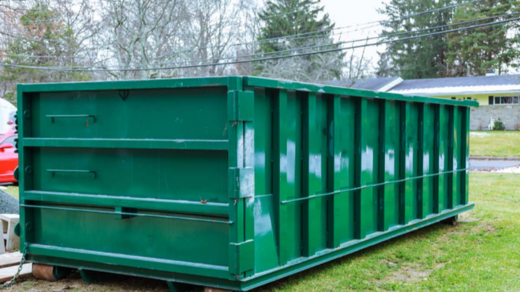
Whether you’re undertaking a major home renovation, spring cleaning, or a large-scale construction project, managing the waste and debris can quickly become overwhelming. The best way to streamline the cleanup process and ensure an efficient disposal of materials is by renting a dumpster. A dumpster for rent offers a practical and cost-effective solution, helping you stay organized and on track to complete your project on time. In this article, we’ll explore the many benefits of renting a dumpster and how it can make your next project significantly easier.
The Convenience of a Dumpster Rental
One of the primary advantages of renting a dumpster is the convenience it provides. Instead of making multiple trips to the local landfill or waste disposal facility, you can have a dumpster conveniently placed on your property. This means you can discard all your debris right from the source, without having to load it into your vehicle and drive it away. With a dumpster for rent, you won’t need to spend time coordinating drop-offs or worrying about landfill fees.
The ability to keep the waste on-site as you work also allows you to clear away materials as you go, keeping your workspace clean and organized. This can reduce potential safety hazards, as cluttered areas are often prone to accidents. Renting a dumpster provides a designated place for everything, eliminating the need for makeshift piles or cluttered corners.
Flexibility in Dumpster Size
Another benefit of renting a dumpster is the variety of sizes available to suit the specific needs of your project. Whether you’re cleaning out a single room, completing a small renovation, or clearing a large commercial space, there is a dumpster for rent that fits your requirements. Dumpster sizes typically range from 10 to 40 cubic yards, ensuring that you only pay for the capacity you need.
Choosing the right dumpster size is important because it prevents you from overpaying for unused space or making several trips to a disposal site with a smaller dumpster. You can discuss your project’s scale with the rental company to ensure you select the appropriate size. Most companies also allow you to upgrade or swap dumpsters if you find you need more space during your project, providing flexibility as the project progresses.
Time and Cost Efficiency
Renting a dumpster can significantly improve your project’s time efficiency. It allows for continuous waste removal throughout the course of your work, meaning you don’t need to stop and haul away debris at irregular intervals. This results in less time wasted and a smoother workflow overall.
In addition to time savings, renting a dumpster can also help you control your costs. Without the need for multiple trips to the disposal site, you can avoid paying for fuel, labor, and potential disposal fees. The flat-rate rental fees typically cover all your waste removal needs, giving you a clear understanding of the costs upfront. Additionally, many rental companies offer extended rental periods at affordable rates, allowing you to keep the dumpster on-site for as long as necessary.
Environmental Responsibility
Renting a dumpster for your project also promotes responsible waste disposal. Reputable dumpster rental companies prioritize proper waste sorting, ensuring that recyclable materials are separated from non-recyclables and disposed of in an environmentally conscious manner. This reduces the amount of waste that ends up in landfills and supports sustainable waste management practices.
By choosing to rent a dumpster, you can also avoid making unnecessary trips to the landfill, which contributes to reduced emissions from transportation. This aligns with eco-friendly goals and demonstrates your commitment to minimizing your environmental footprint during your project.
Simplified Cleanup Process
Cleanup after a project can be one of the most time-consuming aspects, but renting a dumpster simplifies the process considerably. Instead of dealing with piles of waste scattered across your property, you can load everything into the dumpster in an organized and methodical way. This allows you to focus on the actual work of your project, rather than being distracted by the mess it generates.
At the end of your project, the rental company will come to pick up the dumpster, taking care of all the waste removal for you. This hassle-free service saves you time and effort, ensuring that you can wrap up your project efficiently without worrying about the cleanup logistics.
Conclusion
Renting a dumpster for your next project is a smart and effective way to simplify cleanup and manage waste disposal. With the convenience, flexibility, and cost-effectiveness of a dumpster for rent, you can stay focused on the tasks that matter most while leaving the waste management to the professionals. Whether you’re remodeling your home, clearing out clutter, or working on a construction site, a dumpster rental provides the perfect solution to keep your project on track and your workspace clean.
Life as a busy mom can be really stressful. You have to take care of your family, manage your home, and work. Stress headaches can make it hard to focus and enjoy time with your loved ones. But there are many home remedies that can help you feel better quickly.
Stress headaches can come from many things, like not drinking enough water. This can make you tired and give you headaches. Eating too many sugary snacks can also cause health problems. By using home remedies, you can lower your stress and ease headache symptoms.
Staying hydrated by drinking plenty of water is essential for preventing dehydration headaches.
Eating nutritious snacks every two to four hours can help maintain your energy levels and prevent headaches.
Engaging in at least 30 minutes of daily exercise can help reduce fatigue and improve your mood.
Practicing stress-relieving activities, such as meditation or deep breathing, can help you manage stress and prevent headaches.
Incorporating stress-relieving activities with your children can foster bonding and relaxation within the family unit.
Seeking support from friends, family, or online communities is essential for managing stress and preventing headaches.
Understanding Stress Headaches in Modern Mom Life
As a busy mom, you know stress headaches well. They can pop up anytime, making daily tasks hard. But what makes them happen, and how do you spot them early? Stress can lead to weight gain, bad sleep, and more health problems.
Stress makes your body release hormones like cortisol. This can cause muscle tension and pain. Stress headaches can be mild or severe, lasting from minutes to days. Recognizing symptoms early is key to feeling better.
To fight stress headaches, find out what causes them and change your life. Exercise, relax with meditation, and sleep well. By understanding and managing stress, busy moms can avoid headaches and feel better overall.
Common Triggers of Stress Headaches
Effects on the Body
Lack of sleep
Impaired cognitive function, mood disturbances
Poor nutrition
Low energy, decreased immune function
Dehydration
Headaches, fatigue, dry skin
Essential Home Remedies for Stress Headaches: Your Natural Relief Guide
Looking for natural relief from stress headaches? There are many options. One great way is to avoid triggers. Keeping a headache diary helps you track symptoms and find patterns. This makes it easier to plan your treatment.
Common triggers include lack of sleep, dehydration, and poor posture. Changing your lifestyle can help. This includes good posture, regular exercise, and stress management. Vigorous exercise is good for stress headaches.
There are also natural relief remedies. Staying hydrated, avoiding caffeine and alcohol, and getting enough sleep are key. A cold compress or a warm bath can also help by reducing inflammation.
By using these natural relief remedies daily, you can manage stress headaches. This reduces your need for pain medicine. Always talk to a healthcare provider before starting any new treatment if your symptoms are severe or change.
With the right lifestyle changes and natural relief remedies, you can find relief from stress headaches. This improves your overall well-being.
Remedy
Description
Stay Hydrated
Drink plenty of water to avoid dehydration, a common cause of headaches
Avoid Caffeine and Alcohol
Limit or avoid caffeine and alcohol, which can trigger headaches in some individuals
Get Enough Sleep
Aim for 7-8 hours of sleep per night to help regulate stress and alleviate headaches
The Power of Hydration and Proper Nutrition
Drinking enough water is key to easing stress headaches. It’s important to drink water every day. Our bodies are about 60% water, so we need at least eight 8-ounce glasses daily.
Eating right is also crucial. A balanced diet with foods that fight stress can help. Foods like leafy greens, nuts, and fatty fish are good choices.
Best Hydration Practices
Drink water often to stay hydrated. You can also get water from foods like fruits and veggies. Here are some tips:
Drink at least eight 8-ounce glasses of water per day
Eat water-rich foods, such as fruits and vegetables
Avoid sugary drinks that can dehydrate you
Stress-Fighting Foods
Eating foods that fight stress can also help with headaches. These include:
Leafy greens, such as spinach and kale
Nuts, such as almonds and walnuts
Fatty fish, such as salmon and tuna
Eating these foods and staying hydrated can help with stress headaches. Don’t forget to try home remedies for stress headaches too.
Quick Pressure Point Techniques for Instant Relief
Pressure point techniques can change the game for stress headaches. They’re easy to use anywhere, anytime. This makes them perfect for busy moms. By pressing certain points on your body, you can feel instant relief from tension and headaches.
Some top pressure points for headache relief are:
Union valley points: between thumb and index finger
Drilling bamboo points: where nose meets eyebrows
Gates of consciousness: at the base of the skull
Third eye point: between the eyebrows
Shoulder well point: at the edge of the shoulder
To use these points, press firmly for 10 seconds to 1 minute. You can also move in circles for better results. Breathe deeply and relax while you press.
Adding these pressure point techniques to your daily life can help with stress headaches. It can also boost your overall health. So, why not try it and see the change for yourself?
Pressure Point
Location
Technique
Union valley
Between thumb and index finger
Firm pressure for 10 seconds
Drilling bamboo
Indentations where nose meets eyebrows
Firm pressure for 10 seconds
Gates of consciousness
Base of the skull
Firm upward pressure for 10 seconds
Aromatherapy Solutions for Headache Management
Aromatherapy is a natural way to handle stress headaches. It reduces stress and promotes relaxation. Essential oils like lavender and peppermint can help. You can use them by inhaling, applying topically, or through massage.
Some top essential oils for headaches are:
Lavender oil, known for its calming effects
Peppermint oil, which can help inhibit muscle contractions
Rosemary oil, with its anti-inflammatory and pain-relieving properties
To start with aromatherapy for headaches, try a diffuser or apply oil to your temples.
Always mix essential oils with a carrier oil. Also, talk to a healthcare professional before using them, if you have health issues. Adding aromatherapy to your routine can help with stress and tension headaches.
Simple Stretching and Relaxation Exercises
Exploring home remedies for stress relief means adding relaxation exercises to your day. These can ease muscle tension and help you relax. Start with simple stretches like rolling your shoulders or tilting your head.
Effective relaxation exercises include deep breathing and progressive muscle relaxation. Mindfulness meditation also works well. Yoga or tai chi mixes movement with deep breathing and meditation.
Take a few minutes each day for deep breathing exercises
Do physical activities like walking or jogging to lower stress
Try progressive muscle relaxation to release muscle tension
Relaxation exercises are great for managing stress and headaches. Adding them to your daily routine can help you relax and feel better overall.
Creating a Headache-Free Environment at Home
To make your home headache-free, think about where you spend most of your time. Your home should be a place of peace and less stress. Setting up a relaxation corner is a great way to relax and calm your mind.
This corner should have comfy seats, soft colors, and calming smells. Managing light and sound can make it even better. For instance, dim red lights or calming music can help.
It’s also key to improving the air quality. You can do this with air purifiers, fresh air from windows, or air-purifying plants. These steps help make a space that’s good for relaxation and less likely to cause headaches.
Use aromatherapy essential oils like lavender to relax
Try deep breathing or meditation to lower stress
Avoid strong smells or chemicals that can cause headaches
By using these tips and setting up a relaxation corner, you can have a headache-free home. This will also boost your overall health and happiness.
Tip
Description
Manage Light and Sound
Use dim red lights and calming music to create a peaceful ambiance
Improve Air Quality
Use air purifiers, open windows, or add plants to purify the air
Set Up a Relaxation Corner
Create a comfortable space with soothing colors and calming scents
Time Management Strategies to Prevent Stress Headaches
Managing your time well is key to avoiding stress headaches. By focusing on what’s important, taking breaks, and saying no, you can lower stress. Dr. Withers suggests breaking tasks into smaller parts to manage stress better. This makes it easier to handle one thing at a time, reducing anxiety.
Some important strategies to avoid stress headaches include:
Prioritizing tasks based on importance and urgency
Setting realistic goals and deadlines
Taking regular breaks to relax and recharge
Learning to say no to non-essential tasks and commitments
Engaging in relaxation techniques, such as meditation or deep breathing, to reduce stress
Also, getting enough sleep, exercising, and eating well can help. Dr. Rosenberg says 7 to 8 hours of sleep a night can stop stress-induced headaches. By adding these habits to your day, you can lower stress and stop headaches.
Effective time management can help you avoid headaches. Remember to focus on what’s important, take breaks, and say no to things you don’t need to do. With these tips, you can manage your stress and prevent headaches.
Conclusion: Implementing Your Stress Headache Relief Plan
As you finish reading this article, you are one step closer to taking control of your stress headaches. A stress headache relief plan is key to feeling better. By using the tips from this article, you can lower stress and stop headaches.
Studies show that 25%–30% of migraine sufferers have an aura before their headache. This shows why it’s important to act early on your stress headache relief plan. Meditation and biofeedback can help reduce migraines. Also, relaxation and home care like heating pads or ice packs can ease tension headaches.
Your stress headache relief plan should fit your needs. Keep a headache diary to track your activities, meals, and stress. With the right plan, you can lessen your stress headaches and live better. Start today and move towards a headache-free tomorrow.
FAQ
What are the most common triggers for stress headaches in busy moms?
Stress headaches in busy moms often come from lack of sleep, bad nutrition, and not drinking enough water. Stress also causes muscle tension and inflammation, leading to headaches.
How can I use hydration to relieve stress headaches?
Drinking lots of water helps with stress headaches. Avoid sugary drinks and eat hydrating foods. Staying hydrated can lessen headache frequency and severity.
What are some effective pressure point techniques for instant relief from stress headaches?
Pressure points like the temples, neck, and shoulders can quickly ease stress headaches. Use your fingers or a foam roller to apply pressure and relieve tension.
How can aromatherapy help with stress headache management?
Aromatherapy uses essential oils like lavender and peppermint to reduce stress and relax. Use a diffuser, apply oils, or inhale them for relief.
What are some simple stretching and relaxation exercises that can help relieve stress headaches?
Simple stretches and relaxation exercises can ease stress headaches. Try neck stretches, shoulder rolls, and deep breathing. These can be done anywhere, anytime.
How can I create a headache-free environment at home?
For a headache-free home, manage light and sound, improve air quality, and set up a relaxation corner. Use light therapy lamps, white noise machines, and air purifiers. A cozy relaxation corner can also help.
What time management strategies can help prevent stress headaches?
Good time management prevents stress headaches. Prioritize tasks, take breaks, and learn to say no. Use calendars and to-do lists to stay organized and focused.
How can I implement a stress headache relief plan that works for me?
Create a stress-headache relief plan by trying different techniques. Identify your triggers, try relaxation methods, and make a headache-free space at home. Prioritize self-care and get support from loved ones.
What are some natural remedies for stress headaches that I can try at home?
Try hydration, nutrition, pressure points, aromatherapy, and relaxation exercises at home. Also, eat stress-fighting foods and consider supplements to reduce stress and headaches.
For a variety of content focused on natural and herbal remedies for various healthcare concerns, please visit: Pure Remedy Solutions
Tags: home remedies for stress headaches, home remedies for stress relief, Pure Remedy Solutions, home remedy for stress, home remedies for stress headaches in busy moms
Smart home gadgets have rapidly transformed how we live, offering unprecedented levels of convenience, efficiency, and control over our living environments. As technology advances, the integration of these devices into daily life has become smoother, more intuitive, and more interconnected. This article explores the evolution of smart gadgets, focusing on the key innovations that have shaped their adoption and how platforms like Android have played a crucial role in their development.
Introduction to Smart Gadgets
The rise of smart home gadgets can be traced back to the growing demand for convenience and automation in modern living. Early smart devices, such as basic thermostats and lighting systems, marked the first steps towards a more interconnected home. Over the years, the technology has evolved significantly, with the introduction of advanced sensors, wireless communication, and intuitive interfaces. Smart gadgets today cover a wide range of applications—from voice-controlled assistants to security cameras and smart refrigerators.
One of the driving forces behind this rapid growth has been the advancement of connectivity technologies, like Wi-Fi and Bluetooth, which have allowed devices to communicate seamlessly with each other and with users. The user interface has also evolved, with more intuitive, user-friendly designs that enable easy control through apps and voice commands. This shift towards more accessible and connected systems has made smart home gadgets more appealing to a wider range of consumers, ensuring their place in modern households.
The Role of Android in Smart Gadgets
Android has become an integral part of the smart home ecosystem, powering a variety of devices and contributing to the widespread adoption of smart gadgets. As an open-source platform, Android offers manufacturers the flexibility to customize their devices, enabling seamless integration across different smart gadgets. This open nature has allowed Android to be implemented in a broad spectrum of products, from smart thermostats and lights to security systems and entertainment hubs.
One of Android’s strengths is its ability to work across multiple devices, enabling users to control and monitor their gadgets from a single interface. Whether through smartphones, tablets, or smart TVs, Android’s consistent ecosystem ensures a smooth user experience. Its widespread adoption means that many popular smart devices are designed with Android compatibility in mind, creating an interconnected network of devices that can be controlled and managed with ease.
Android’s customization options also allow for tailored smart home experiences. Manufacturers can build unique features into their devices, while users can personalize their smart gadgets according to their preferences. The flexibility and versatility offered by Android have played a significant role in the development of the smart home industry, fostering an ecosystem where devices work together harmoniously.
Key Innovations Driving Smart Gadget Adoption
Several technological advancements have been pivotal in driving the adoption of smart gadgets, with Android’s ecosystem supporting many of these innovations. One of the most significant trends is the Internet of Things (IoT), which connects everyday devices to the internet, enabling them to collect data, communicate, and automate tasks. Android has facilitated the growth of IoT by providing the necessary platform for devices to communicate with each other and be controlled remotely through apps.
Voice assistant technology, such as Google Assistant, has also played a critical role in the popularity of smart gadgets. By allowing users to control devices with voice commands, voice assistants have made interacting with smart home devices easier and more natural. Android powers many of these voice-controlled systems, providing the interface through which users interact with their devices.
Energy efficiency is another important factor driving the adoption of smart gadgets. As consumers become more conscious of their energy usage, smart gadgets like energy-efficient thermostats, smart plugs, and lighting systems have gained popularity. Android-based devices often come with integrated features that allow users to track energy consumption, set schedules, and make adjustments remotely, contributing to smarter and more sustainable energy use in the home.
Future Trends in Smart Gadgets
Looking ahead, the future of smart gadgets seems poised to be shaped by further innovations in artificial intelligence (AI), sustainability, and user experience. AI integration is expected to make smart gadgets even more intuitive, as devices become better at predicting and adapting to user behavior. Android’s role in this future is likely to be central, with the platform’s ability to support AI-driven apps and updates allowing devices to become more intelligent and responsive.
Sustainability is another trend likely to influence the development of smart gadgets. As environmental concerns continue to grow, there will be an increased focus on energy-efficient devices, sustainable manufacturing processes, and eco-friendly materials. Android’s flexible ecosystem can support these trends by enabling updates and apps that optimize energy usage, further enhancing the efficiency and sustainability of smart gadgets.
The integration of smart gadgets with other technologies, such as augmented reality (AR) and advanced health-monitoring devices, could also define the next wave of innovation. As more devices become interconnected, the role of platforms like Android in managing these interactions will become even more crucial, ensuring seamless communication across an ever-expanding range of smart devices.
Conclusion
The evolution of smart home gadgets has fundamentally changed how we interact with our living spaces, offering convenience, control, and efficiency like never before. Android’s open-source platform has played a key role in enabling the seamless integration of these devices, making it easier for manufacturers to develop customizable, interconnected products that cater to a wide range of needs. As the smart home ecosystem continues to grow, Android’s influence will remain a driving force, helping shape the future of smart gadgets and ensuring that homes around the world become smarter, more efficient, and more connected.
If your home isn’t connected to a municipal sewer system, you likely depend on a septic system to manage your household wastewater. But how does a septic system work? Whether you’re a first-time homeowner or simply curious about the process, understanding how your septic system functions is essential for its maintenance and longevity. In this article, we’ll break down how do septic systems work step by step, ensuring you know exactly what happens beneath the surface of your yard.
What Is a Septic System?
A septic system is a private, on-site wastewater treatment solution designed for homes that are not connected to a public sewer system. It safely processes and disposes of the water used in your home from toilets, sinks, showers, washing machines, and dishwashers. A well-maintained septic system can last for decades, making it a critical part of rural or suburban home infrastructure.
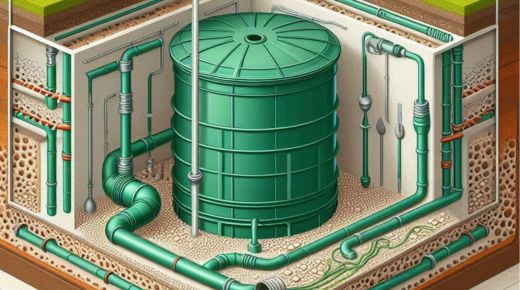
The system consists of two primary components: the septic tank and the drain field (also known as the leach field). Each component plays a specific role in treating and disposing of wastewater effectively. Let’s explore how a septic system works by examining these parts in detail.
How Does a Septic System Work?
To understand how does a septic system work, it’s important to follow the flow of wastewater through the system—from the moment it leaves your home to when it’s safely filtered back into the soil. Below, we’ll guide you through the process.
1. Wastewater Flows Into the Septic Tank
The first stop in a septic system is the septic tank. This large, watertight container is buried underground and is typically made of concrete, fiberglass, or polyethylene. All of the water and waste that goes down your drains—whether it’s from the toilet, sink, or washing machine—flows into this tank.
Inside the septic tank, the wastewater begins to separate into three distinct layers:
Sludge: The heavier solids, such as human waste, sink to the bottom of the tank, forming a sludge layer.
Scum: Oils, fats, and grease float to the top of the tank, creating a layer of scum.
Effluent: The middle layer, which is mostly liquid, is known as effluent. This is the part of the wastewater that will eventually be discharged into the drain field for further treatment.
The septic tank’s main function is to hold wastewater long enough for the solids to settle and for the natural breakdown of organic materials to begin. Bacteria inside the tank help break down some of the solids, but the majority of the sludge and scum remain in the tank and must be pumped out regularly.
2. Effluent Travels to the Drain Field
Once the solids have settled and the liquids are separated, the effluent flows out of the septic tank and into the drain field (or leach field). This is a crucial part of how septic systems work because it handles the final treatment and dispersal of the wastewater.
The drain field is a network of perforated pipes buried in trenches filled with gravel or sand. These pipes allow the effluent to be evenly distributed across the field. The effluent seeps out of the perforations and slowly filters down through the gravel and soil, where the natural purification process takes place.
3. Filtration and Absorption by the Soil
As the effluent moves through the soil, it undergoes a natural filtration process. The soil acts as a biological filter, removing harmful bacteria, viruses, and nutrients from the wastewater. Bacteria in the soil break down organic matter, further purifying the effluent before it reaches the groundwater.
This filtration is essential to preventing contaminants from polluting local water sources. The size and quality of the soil in your drain field are critical to the success of this process. If the soil is too dense, such as with clay, the system may fail to absorb the effluent properly, leading to pooling water or backups.
4. Clean Water Reenters the Groundwater
After the effluent has been filtered and treated by the soil, it reenters the groundwater as clean, safe water. The combination of mechanical separation in the septic tank and natural filtration in the drain field ensures that your home’s wastewater is treated without causing harm to the environment.
This process of filtration and absorption is a key reason why septic systems work so well in areas without access to municipal sewer lines. They provide an eco-friendly and effective way to treat household wastewater on-site.
Why Is a Septic System Important?
Understanding how does a septic system work also highlights its importance in protecting both the environment and your home. Here’s why a properly functioning septic system is so critical:
1. Environmental Protection
A septic system ensures that wastewater is treated and filtered before it returns to the environment. Without this treatment, harmful bacteria, pathogens, and chemicals could seep into the groundwater, contaminating nearby water sources. The system’s natural filtration process prevents pollution, keeping local ecosystems healthy.
2. Cost-Effective Wastewater Treatment
For homes in rural or suburban areas, septic systems provide a cost-effective way to manage wastewater. Connecting to a municipal sewer line can be expensive or even impossible in certain regions, making a septic system the most practical solution. When properly maintained, septic systems offer long-term reliability at a fraction of the cost of other treatment options.
3. Safeguarding Public Health
A failing septic system can result in raw sewage surfacing in your yard or backing up into your home, creating serious health risks. By keeping the system in good working condition, you prevent the spread of harmful bacteria and contaminants, ensuring a safe and healthy environment for your family and neighbors.
Signs of Septic System Problems
Even though septic systems are designed to function for decades, problems can arise if the system is not properly maintained. Recognizing the warning signs of a failing septic system can help you address issues before they become major repairs. Here are some common signs that your system may need attention:
1. Slow Drains
If sinks, toilets, or showers in your home are draining more slowly than usual, this could indicate a problem with your septic system. Slow drains can be a sign that the septic tank is full or that the drain field is not absorbing wastewater efficiently.
2. Foul Odors
A strong sewage smell around your yard or near the septic tank is a clear indication that something is wrong. This could mean that the tank is overflowing, or that wastewater is not being properly treated before it reaches the drain field.
3. Pooling Water
If you notice puddles of water or overly soggy areas in your yard, especially near the drain field, it may be a sign that the soil is saturated and unable to absorb the effluent. This can lead to backups in the system and potential contamination of the surrounding area.
4. Lush, Green Grass Over the Drain Field
While healthy grass might seem like a good thing, unusually lush, green grass over the drain field could indicate that untreated wastewater is leaking into the soil. The excess nutrients in the effluent can cause grass in this area to grow faster and thicker than the rest of your yard.
How to Maintain Your Septic System
Now that you understand how septic systems work, it’s important to know how to maintain them. Proper maintenance is the key to extending the life of your system and avoiding costly repairs. Here are a few essential tips:
1. Regular Pumping
Your septic tank should be pumped every 3-5 years, depending on the size of the tank and the amount of water your household uses. Pumping removes the accumulated sludge and scum, preventing them from overflowing into the drain field.
2. Conserve Water
Excessive water usage can overwhelm your septic system, preventing it from treating wastewater properly. Be mindful of how much water your household uses, and consider installing water-efficient fixtures to reduce strain on the system.
3. Avoid Flushing Harmful Materials
Certain materials, like non-biodegradable items, chemicals, or grease, can clog your septic system or disrupt the natural bacteria that help break down waste. Only flush human waste and toilet paper, and avoid pouring harsh chemicals down the drain.
4. Protect the Drain Field
Do not drive or park vehicles over the drain field, as this can compact the soil and damage the pipes. Keep trees and large shrubs away from the area as well, since roots can infiltrate the pipes and cause blockages.
Conclusion
So, how does a septic system work? It’s a combination of mechanical and natural processes that safely treat and dispose of your household’s wastewater. From the septic tank to the drain field, each component plays a crucial role in ensuring that water is purified before it returns to the environment. Understanding how do septic systems work helps you appreciate the importance of proper maintenance and care. With regular pumping, mindful water usage, and careful monitoring for signs of trouble, your septic system can provide reliable, long-lasting service for many years.
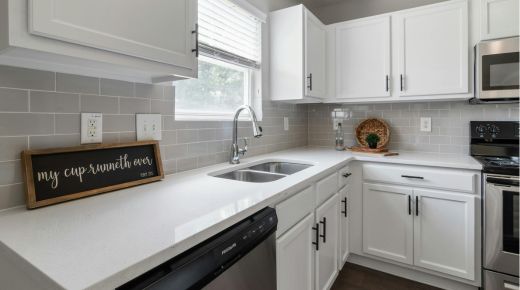
Remodeling your kitchen is an exciting opportunity to breathe new life into one of the most important spaces in your home. As the heart of the house, the kitchen isn’t just where meals are prepared—it’s where families gather, conversations happen, and memories are made. While many homeowners focus on cabinetry or flooring, two key elements that can truly elevate a kitchen remodel are replacing windows and choosing the perfect benchtop.
In this blog, we’ll explore how window replacements can enhance the look and functionality of your kitchen, and we’ll dive into the various benchtop options available that can bring both style and practicality to your space.
The Power of New Windows in a Kitchen Remodel
When it comes to kitchen remodeling, home window replacement might not be the first thing that comes to mind, but they are incredibly impactful. Replacing outdated or worn windows can instantly improve the overall ambiance of your kitchen by letting in more natural light and enhancing ventilation. A well-lit kitchen feels open and inviting, while proper airflow helps keep the space comfortable and fresh, especially during cooking.
If your current kitchen windows are small or positioned in a way that limits the light, upgrading to larger or more strategically placed windows can make a significant difference. Larger windows, like picture or bay windows, allow sunlight to flood the room, making it feel bigger and brighter. Additionally, replacing old windows with energy-efficient models can improve your home’s insulation, helping regulate temperature and reducing energy costs.
Choosing the Best Window Style for Your Kitchen
The window style you choose for your kitchen should not only match the aesthetic of your remodel, but also contribute to the room’s usability. Casement windows, which open outward with a crank, provide excellent ventilation and are ideal for areas where it’s difficult to reach, like above a kitchen sink. Their design allows for a clear, unobstructed view and easy airflow.
For homeowners looking to maximize space, sliding windows are a fantastic option. These windows open horizontally and provide ample light without taking up additional exterior space. Their simple, modern design makes them a versatile choice for many kitchen styles.
For those who love gardening or want a unique touch, garden windows could be the perfect addition. These windows protrude from the home, creating a small greenhouse-like space perfect for growing herbs or small plants. This brings greenery into the kitchen and serves a practical function by keeping fresh herbs within arm’s reach.
Benchtop Options to Elevate Your Kitchen’s Style and Functionality
Along with windows, benchtops from trusted providers like Master Benchtops are one of the most visible and functional elements of a kitchen remodel. They serve as the primary workspace for food preparation and often set the tone for the overall design of the kitchen. The right benchtop can complement your aesthetic, while also providing the durability needed for daily use.
There are several benchtop materials to choose from, each with its own unique features and benefits. Whether you’re looking for a sleek, modern kitchen or a cozy, rustic space, there’s a benchtop material to suit your style and needs.
Exploring Popular Benchtop Materials
Quartz is one of the most popular benchtop options for modern kitchens. Made from engineered stone, quartz is non-porous, making it highly resistant to stains and scratches. It also doesn’t require sealing, making it a low-maintenance choice. They come in a wide range of colors and patterns, allowing you to find the perfect match for your kitchen’s design.
Granite is another timeless option, known for its natural beauty and durability. Each slab of granite is unique, featuring natural patterns and colors that add character to your kitchen. Granite is heat-resistant and can withstand heavy use, but it requires regular sealing to prevent staining.
For those looking for a luxurious and elegant option, marble is hard to beat. Marble’s smooth surface and unique veining make it a stunning addition to any kitchen. However, marble is softer and more porous than quartz or granite, making it more susceptible to scratches and stains. If you’re drawn to the beauty of marble, it’s important to be prepared for the maintenance required to keep it looking its best.
On the more affordable end of the spectrum is laminate, which has come a long way in terms of design and durability. Laminate benchtops mimic the appearance of more expensive materials like wood or stone, but at a fraction of the cost. It’s a practical choice for homeowners looking to achieve a stylish look on a budget.
Wood, particularly butcher block, is a warm and inviting option for those who want a natural touch in their kitchen. Wood benchtops are perfect for those who enjoy baking or preparing food directly on the surface. However, wood is softer and more prone to scratches and water damage, so regular sealing and maintenance are necessary to keep it in good condition.
Creating a Cohesive Kitchen Design with Windows and Benchtops
When planning your kitchen remodel, it’s important to ensure that your window choices and benchtops work harmoniously. The right combination of windows and benchtops can dramatically improve the functionality and style of your kitchen. Windows that provide ample light and ventilation, paired with durable and beautiful benchtops, can turn your kitchen into the centerpiece of your home—a space that’s both practical and enjoyable to spend time in.
A kitchen remodel is an exciting opportunity to enhance the functionality and aesthetics of your home. By investing in window replacements, you can improve natural lighting, ventilation, and energy efficiency, creating a brighter, more comfortable space. Pairing new windows with the perfect benchtop material allows you to further elevate the style and usability of your kitchen. Whether you’re drawn to the sleek durability of quartz or the timeless beauty of marble, choosing the right elements can transform your kitchen into a space you’ll love for years to come.
A kitchen remodeling project is amongst the fascinating home improvement projects that anyone can carry out. Not only does it bring new life to the kitchen, which is often referred to as the heart of the home, but it also increases the worth of the house.
One of the most obvious and exciting options available in the market is the wide range of options regarding the various appliances and designs you can incorporate when redesigning your kitchen. In this article, we have discussed essential concepts that will assist in setting up the dream kitchen that is both stylish and functional.
1. Maximizing Space with Smart Storage Solutions
Effective use of the space is one of the first decisions that have to be made when planning to remodel your kitchen. There are many storage techniques in the contemporary world like pull-out pantry cabinets or floating shelves that can be installed for the kitchen organization but, at the same time, they do not make the kitchen closed off and less airy. Look for designs that optimize the use of the vertical space to avoid cluttering the room.
2. Choosing Timeless Materials for Durability
Picking out the right materials for a surface in the kitchen works to the advantage of appearance and durability. Selecting high-quality products such as quartz can guarantee that the end product is durable, and does not require constant reparation. For instance, quartz countertops for sale can be used to enhance the beauty and elegance of your kitchen, bathroom, or any other part of your home.
3. Open Concept Designs for a Spacious Feel
If organized properly an open-concept kitchen can provide a smooth transition between the cooking zone and the rest of the home. This has made the environment in the kitchen more welcoming, especially for those occasions where people need to congregate. This type of layout is suitable for families and individuals who love to entertain their guests since it enhances interaction.
4. Adding a Pop of Color with Backsplashes
Another idea that could be implemented especially when one wants to make a statement in the kitchen is colorful backsplashes. It brings character to the room and becomes a central point of attraction. Still, there are hundreds of possibilities to choose from – from bright hues of tiles to various designs. The backsplash can enhance the appearance of your countertop, cabinets, and the whole interior.
5. Upgrading Appliances for Energy Efficiency
Kitchen remodeling also offers an opportunity to install good quality, newer, and efficient appliances. Apart from that, they improve the aesthetics of your kitchen and may even help you cut down on electricity bills. While selecting the appliances, you should look at factors such as connectivity options, energy-efficient modes, and sleek looks that will go well with your refurbished environment.
Conclusion
To sum up, kitchen redesigning involves a lot of planning that is fun since it involves creating a space that is both functional and beautiful. Even when selecting the design elements to use, it is possible to incorporate the use of a person’s favorite design elements while at the same time adding value to the home to make it more valuable. From smart storage to beautiful countertops, there is no reason that your kitchen cannot include the best of today’s technology combined with timeless style.