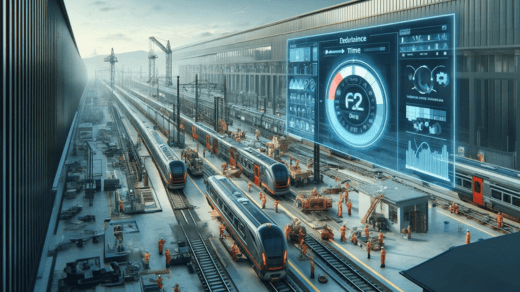
A modern locomotive or metro coach is, in electrical terms, a rolling factory. Traction converters, brake controllers, door systems, air conditioning, passenger information displays and dozens of sensors all depend on cabling that must work every single day for thirty years or more. The interconnection hardware holding this network together operates in one of the harshest environments in all of engineering, and the consequences of failure range from service delays to genuine safety incidents. Understanding what railways demand from connectors helps every supplier and system integrator working in this fast-growing sector.
Why the Rail Environment Is So Demanding
Consider what a connector mounted on a bogie or underframe experiences. Continuous broadband vibration is punctuated by shock loads from rail joints and points. Temperatures swing from freezing winter nights in the north to well above fifty degrees Celsius near traction equipment in summer. Dust, brake particles, moisture and cleaning chemicals attack every exposed surface. Above all this sits the electromagnetic environment of a 25 kV AC catenary, which induces interference that poorly shielded interconnects pass straight into sensitive electronics. A connector that performs admirably in a climate-controlled panel room may not last a season under a coach.
Fire Safety Changed the Rules
Over the past decade, fire safety requirements have reshaped material selection across the rail industry. The European standard EN 45545-2, now widely referenced by Indian rolling stock programmes, sets strict limits on flammability, smoke density and toxicity for materials used in vehicles, with hazard levels HL2 and HL3 applying to the most demanding operating categories. For connectors, this means conventional insulating materials must give way to halogen-free, flame retardant compounds that have been tested and qualified to the standard. Specifiers should ask suppliers for qualification evidence rather than accepting datasheet claims, because certification to these hazard levels involves rigorous third-party testing.
Where Connectors Work Hardest on a Train
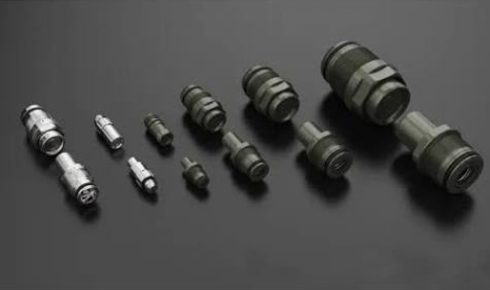
The applications for railway connectors span the entire vehicle. Power circuits between traction converters and motors carry high currents through large contacts. Brake and door systems demand absolute reliability because they are safety functions. Coach lighting, HVAC and passenger information systems involve dense multi-pin signal connections. Inter-vehicle jumpers face the additional insult of constant relative movement between coaches. Trackside, signalling and point machine installations need connectors that seal against monsoon flooding while remaining serviceable by maintenance gangs at night with basic tools. Each of these niches favours circular multipin constructions with positive locking coupling, certified ingress protection and robust strain relief.
Approvals Are Not Bureaucracy, They Are the Product
In the railway business, approvals are inseparable from the hardware itself. In India, the Research Design and Standards Organisation, RDSO, evaluates and approves suppliers for specific product categories, and production units such as Chittaranjan Locomotive Works maintain their own approved source lists. A connector without the relevant approval simply cannot be fitted, regardless of its technical merit. For buyers, an approved supplier represents years of documentation, testing and audit history. For manufacturers, maintaining approvals demands sustained investment in quality systems, which is precisely why the approval is a meaningful signal.
From Loose Connectors to Complete Harnesses
Rolling stock builders are increasingly buying tested subassemblies rather than components. A pre-terminated cable harness assembly, built with qualified connectors, correct crimp tooling and one hundred percent electrical testing, arrives at the coach line ready to install. This approach removes termination errors from the assembly hall, shortens build time and creates a single point of accountability for the entire interconnect. When the harness maker is also the connector manufacturer, issues of tolerance, accessory compatibility and traceability largely disappear, because one engineering team controls the whole chain from raw contact to finished loom.
Serviceability deserves equal weight in the specification. Rolling stock is maintained at night, in depots, on tight schedules, and often by staff working with basic hand tools. Connectors with crimp contacts and rear-release retention allow a faulty circuit to be repaired at the depot in minutes, while keyed shells and clear identification prevent mis-mating during reassembly. These small design decisions, made years earlier at a drawing board, decide whether a rake returns to service by morning.
The Opportunity in India
Indian railways are in the middle of an extraordinary expansion: new Vande Bharat trainsets, dedicated freight corridors, metro networks in more than twenty cities and an ambitious electrification programme. Policy strongly favours domestic content, and this has matured a genuine local supplier base. Established circular connector manufacturers in India, including Mumbai-based Allied Electronics Corporation, which has supplied Indian Railways as an RDSO-approved source, now offer qualified products with the local engineering support and short lead times that imported alternatives cannot match. For system integrators bidding on rail projects, building relationships with such suppliers early in the design phase is a practical competitive advantage.
Conclusion
Railway interconnection is a discipline of its own, where vibration, fire safety and formal approvals matter as much as electrical ratings. Whether you are designing a propulsion package, a signalling cabinet or a complete coach, treat the connector and harness specification as a first-class engineering task. Engage an approved manufacturer early, verify qualification evidence, and consider procuring tested harness assemblies rather than loose parts. The trains being built today will still be running in 2055, and the interconnects chosen now will travel with them.
Hyperlink Summary
- Anchor Text 1: “railway connectors” → https://aecconnectors.com/application.html
- Anchor Text 2: “cable harness assembly” → https://aecconnectors.com/cable-harness-assemblies.html
- Anchor Text 3: “circular connector manufacturers in India” → https://aecconnectors.com/